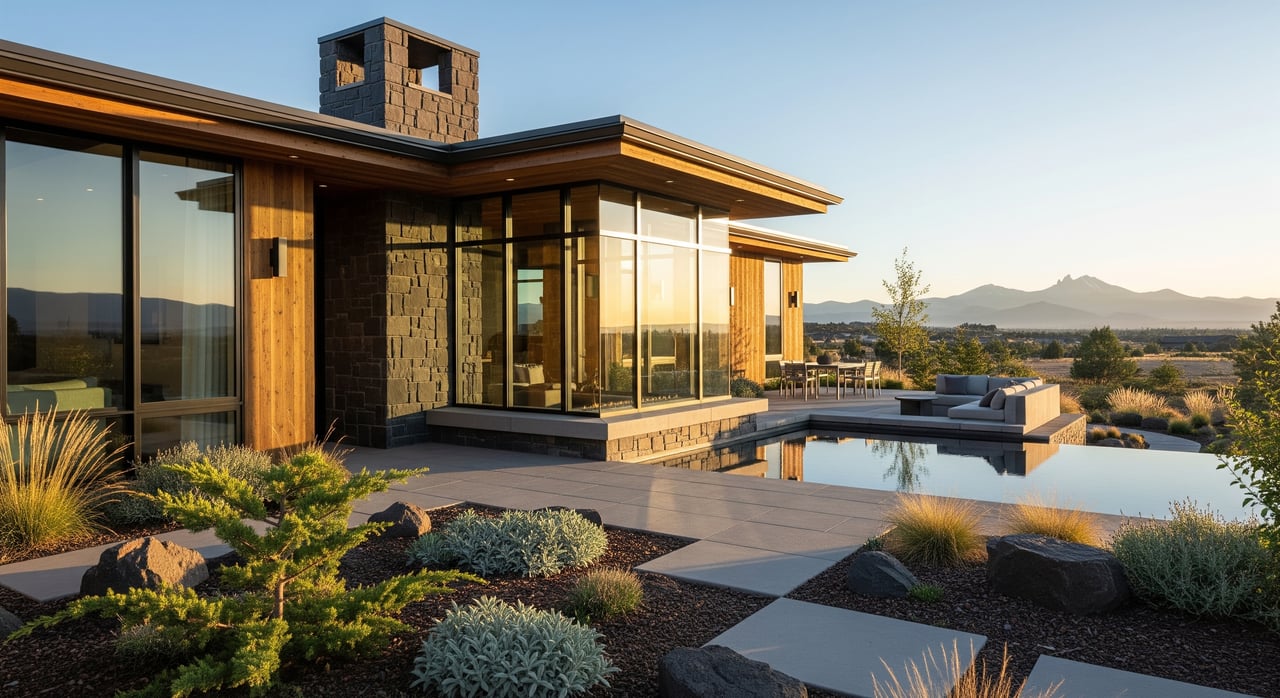
What West Side Living Really Means In Bend
Dreaming of mornings on the Deschutes and sunset views over the Cascades? In Bend, that often points you to the West Side. If you have heard different definitions of what “West Side” means, you are not alone, and it can make searching for a home feel confusing. This guide breaks down what locals include when they say West Side, what daily life looks like, and what to consider before you buy or sell. Let’s dive in.
In local usage, the West Side generally refers to the parts of Bend west of downtown and the Deschutes River. It is a neighborhood umbrella rather than a single official district, and boundaries can shift by context. Real estate listings, school maps, and neighborhood associations may draw the line a bit differently, so always confirm with an official City of Bend map or GIS layer.
Commonly included areas and neighborhoods:
Housing on the West Side leans toward single-family homes and townhomes, with a growing share of attached housing in planned communities and infill sites. Many neighborhoods were built or rebuilt within the last 10 to 25 years, so you will find modern layouts, energy-efficient construction, and outdoor living spaces. ADUs and detached accessory structures are increasingly common due to demand and evolving local code.
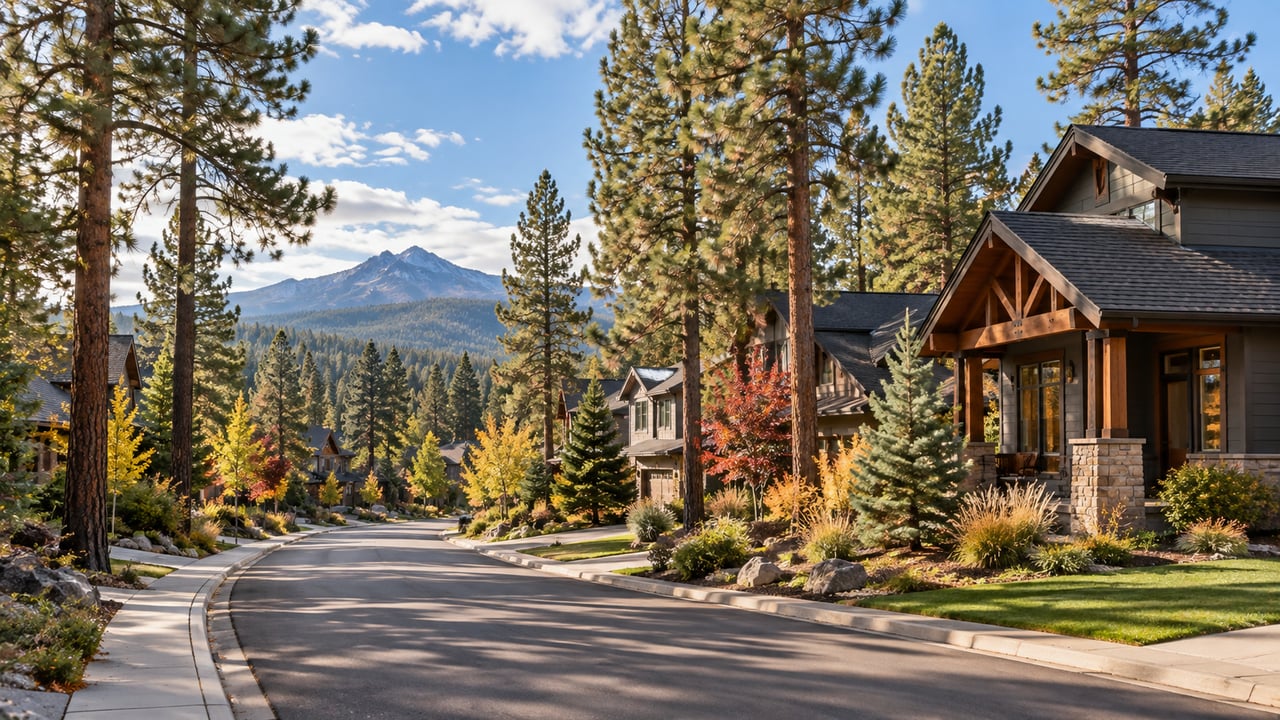
Architecture varies by pocket. Northwest Crossing reflects new urbanist planning and modern-craftsman styles. Elevated areas like Awbrey Butte often feature higher-end homes with panoramic views. Near the river and the Old Mill District, you will see a broader mix of housing types close to shopping and entertainment.
West Side homes typically carry a location premium tied to lifestyle. Proximity to the Old Mill District, the Deschutes River and Trail, Shevlin Park’s trail network, and elevated view lots are major value drivers. Supply is shaped by Bend’s urban growth boundary and infrastructure capacity, which influences where builders can add new homes.
Demand is diverse. Many buyers are drawn to outdoor access, newer construction, and planned neighborhoods with nearby services. If you are weighing value, compare similar homes across neighborhoods and confirm recent sales trends with current MLS or local REALTOR data.
The Old Mill District is a signature West Side destination for shopping, dining, concerts, and river access. Smaller neighborhood centers and local services are scattered across the West Side, giving you quick options for groceries, coffee, and day-to-day errands.
If you love the outdoors, the West Side puts you close to the action. Shevlin Park anchors the west edge with miles of trails and a quiet river corridor. The Deschutes River Trail offers walking and biking near the Old Mill District with several spots to launch a paddleboard or kayak. For winter and summer mountain fun, Mt. Bachelor is often a 30 to 45 minute drive depending on conditions and route.
Most West Side addresses are served by Bend-La Pine Schools, and assignments depend on your exact address. Programs and boundaries can change, so always verify current boundary maps and enrollment policies before you buy. If a specific school matters to you, make address checks part of your due diligence.
Bend is largely car dependent. Cascades East Transit provides local bus service and regional routes, though frequency and coverage are more limited than in larger cities. From many West Side neighborhoods, the drive to downtown can be as short as 5-15 minutes, and 20 minutes or more during busier times. Bike lanes and sidewalks are present in many areas, with specifics varying by street and subdivision.
City of Bend provides water and sewer for most in-city properties, while some fringe areas may fall under special districts. Solid waste and recycling are available through local providers. Broadband options typically include fiber or cable in many neighborhoods, but availability can differ block by block, so verify service at the property level.
The West Side’s natural setting is part of the appeal, and it also warrants careful review.
Buyer and seller checklist:
Bend’s urban growth boundary shapes where new neighborhoods can go and how dense they can be. City code updates around infill, ADUs, and lot coverage evolve over time, so verify what is allowed before you plan a remodel or addition. Transportation and utility upgrades are prioritized through the City’s planning process, which can influence commute patterns and future access on the West Side.
Choose the West Side if you value quick access to trails and river recreation, a mix of newer planned communities and custom homes, and vibrant hubs like the Old Mill District. Balance the lifestyle premium with practical considerations like commute times, wildfire readiness, and any floodplain factors near the river. If you are early in your search, walk a few neighborhoods at different times of day to get a feel for traffic, trail access, and daily rhythms.
You deserve guidance that blends lifestyle insight with meticulous execution. As a boutique, two-broker team focused on West Side Bend, we pair deep neighborhood knowledge with disciplined contract management. Whether you are relocating, moving up, or selling a view home, we help you pinpoint the right micro-neighborhoods, surface on and off-market opportunities, and navigate due diligence with confidence.
Ready to explore the West Side or list with precision? Connect with Bend Lifestyle Realtors for a tailored plan.
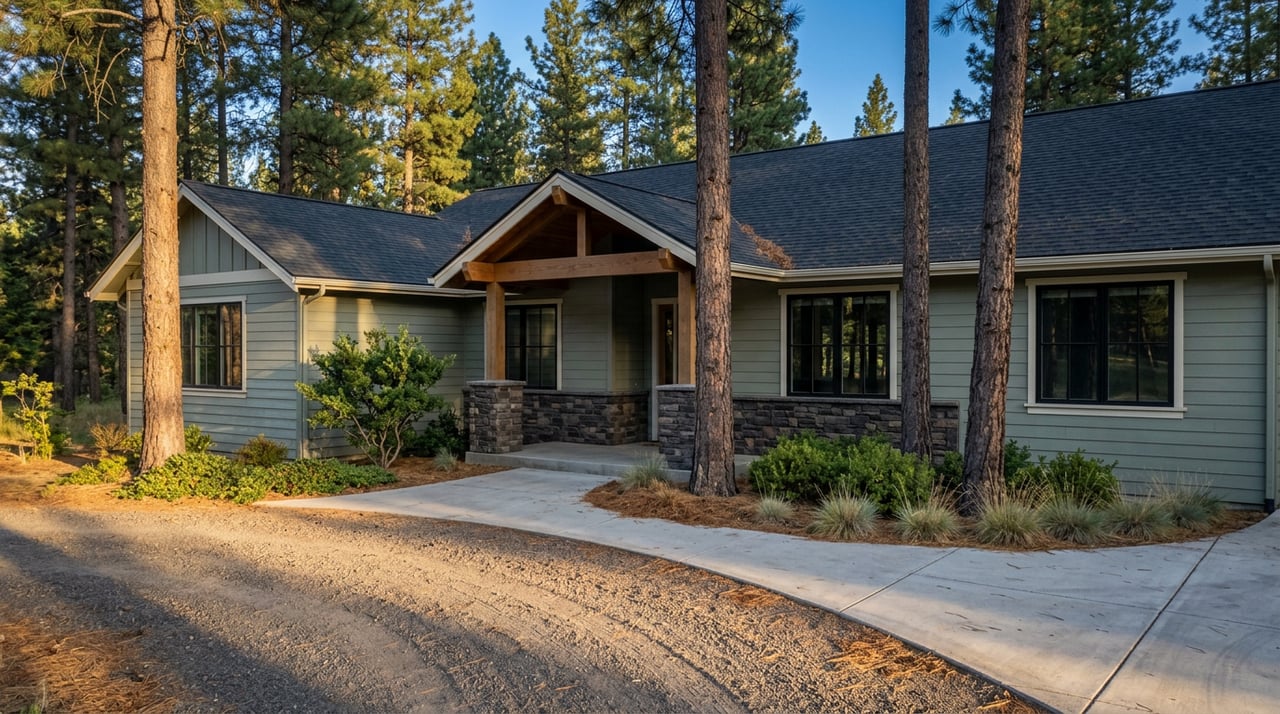

Bend Lifestyle
Mountain Biking in Bend: A Guide from Beginner to Advanced
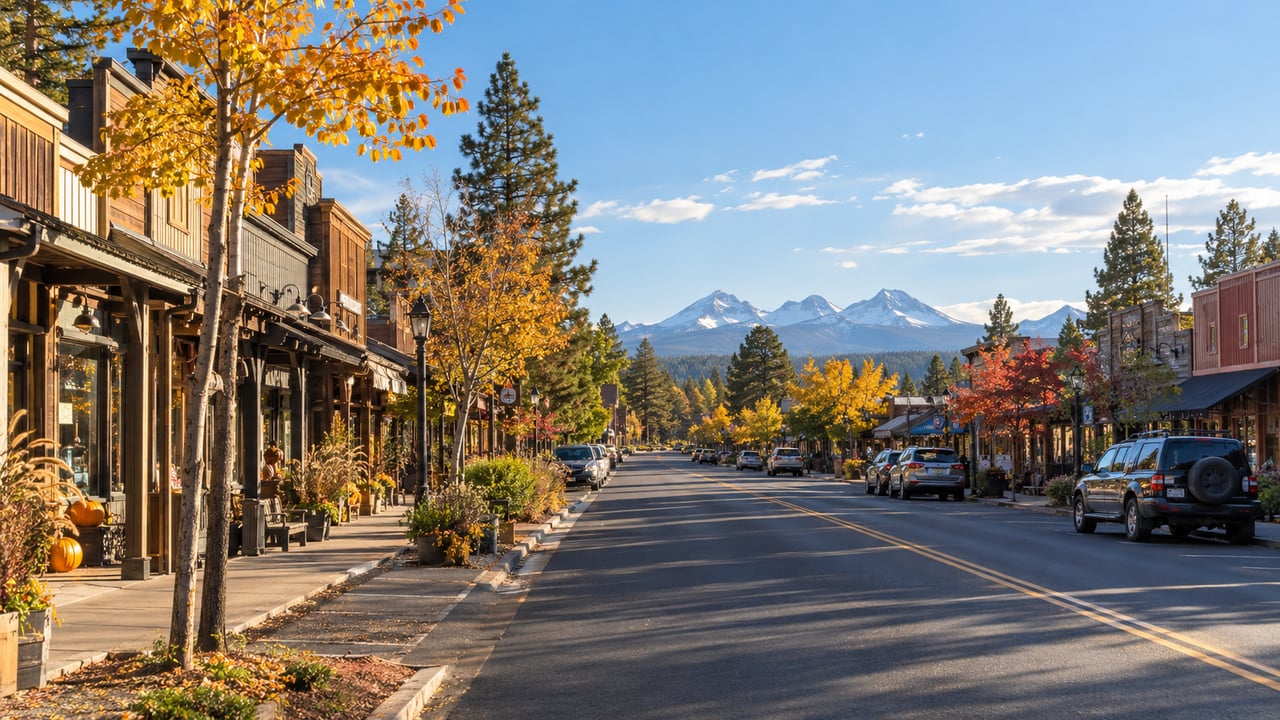
Sisters
Twenty minutes from Bend, a world apart. Here's what people who love Sisters actually love about it.

Bend Lifestyle
Every place has things you can do there. Bend has things you can only really do here.
Bend Neighborhoods
Everyone knows Northwest Crossing and Old Bend. Here are the neighborhoods that fly a little quieter and often deliver more.

Bend Lifestyle
Summer gets the crowds. Fall gets the color. Here's where to find it in Central Oregon.
Whether we’re working with first-time home buyers, seasoned investors, new residents to Bend, or anyone else, we want to help them find their ideal properties.

Rachel Greenwald Rhoads
Shana Sellers
Bend Premier Real Estate
Address
550 NW Franklin Ave Ste 108
Bend OR 97703