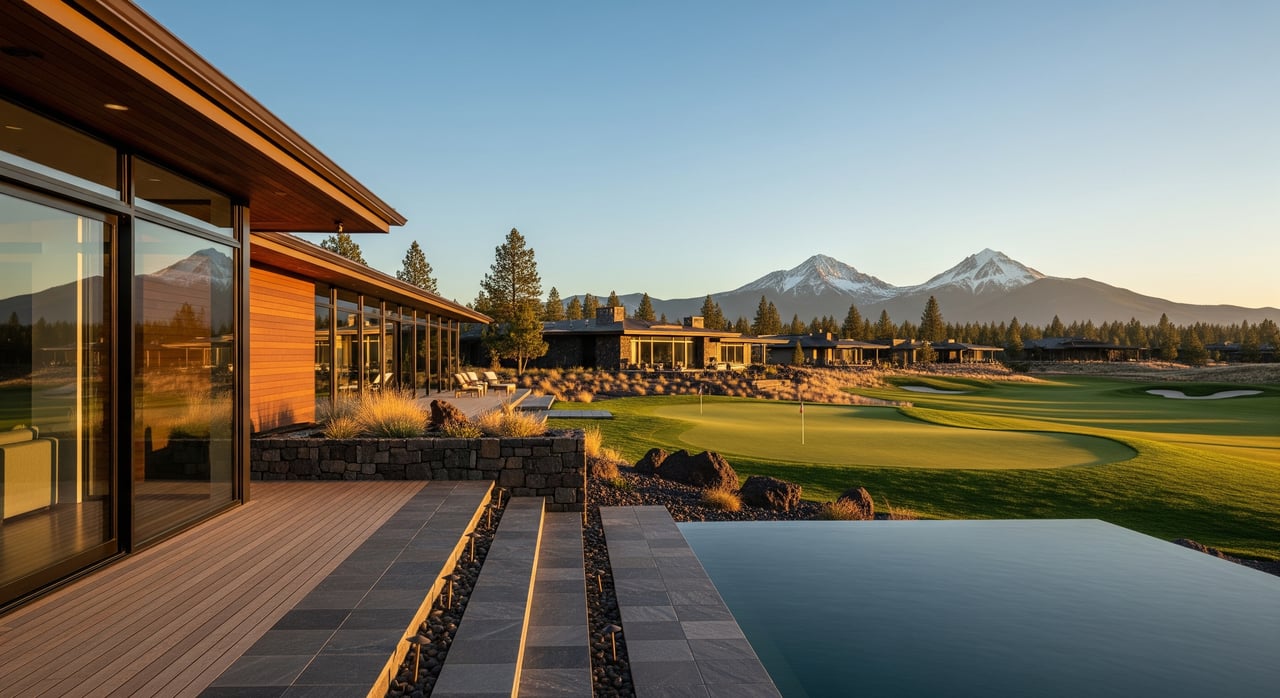
Bend Golf Community Memberships and How They Work
Are you eyeing a home on Awbrey Butte or Tetherow with a fairway view and wondering what the golf membership really means? You are not alone. Membership rules can shape your monthly costs, your closing timeline, and even your resale strategy. In this guide, you will learn how memberships typically work in Bend, what to verify before you write an offer, and how to avoid surprises at closing. Let’s dive in.
Private clubs limit access to members and their guests. You usually pay an initiation fee and ongoing dues. In equity clubs, members may hold ownership rights and vote on major decisions. In proprietary models, a private operator owns the facility and sets rules and fees.
Why this matters: the structure affects refunds, transfer rules, and any capital assessments that could be passed to you.
Semi-private or resort clubs blend member access with some public or guest play during non-peak times. They often feature lower initiation fees or none at all. Dues, cart fees, and guest fees still apply, but access is more flexible.
Why this matters: you get priority tee times and member events without the full cost of a private club. Policies vary by club, so always get details in writing.
Some neighborhoods include golf-related amenities through the homeowners association. HOA membership is usually mandatory, while golf access may be included or offered for an additional fee. The HOA may also own or help operate parts of the amenities.
Why this matters: HOA assessments and rules are part of your ongoing cost of ownership and can affect loan approval.
You may see weekday-only, junior, corporate, family, or social memberships that allow access to the clubhouse but not the course. These options help you match your costs to how you plan to use the club.
Why this matters: picking the right tier keeps expenses aligned with your actual play and lifestyle.
Rules differ across Bend’s golf communities. Some properties near Awbrey Butte and across Deschutes County require membership by recorded covenant. Others offer voluntary memberships with incentives for new homeowners. The only way to be sure is to review the documents and confirm with the club.
Here is how to verify:
If membership is mandatory, dues and assessments follow the property. If it is voluntary, you decide whether to join, but there may still be transfer steps when a home changes hands.
Exact amounts vary by club and change over time. Always request current written statements. Common cost categories include:
Tip: Lenders consider mandatory dues and assessments when calculating debt-to-income. Provide your lender with the current dues statement early.
If membership or HOA assessments are mandatory, underwriters include those costs in your qualifying ratios. Share the most recent dues and any scheduled increases with your lender to prevent delays.
Initiation and transfer fees, dues, and assessments can be prorated at closing based on your purchase agreement. Some clubs require payment in full at closing or have a separate billing process. Build in time for the club’s approval and paperwork.
Many clubs require new member approval, which can delay closing if not started early. Some equity clubs restrict resignations or cap the number of active resignations. Verify timelines, waiting lists, and any conditions that must be met before you can play.
Awbrey Butte and the surrounding Bend market include a mix of private, semi-private, and resort-influenced clubs. Demand is shaped by seasonality, outdoor lifestyle, and a blend of year-round residents and second-home owners. Course conditions, governance, and dues stability can influence both property values and buyer demand.
What to know locally:
Your best move is to get current documents directly from the club and HOA during your contingency period and align timelines with your lender and escrow officer.
Sometimes a seller has a membership that can transfer. Confirm in writing whether the initiation fee is refundable or transferable, and whether a transfer fee applies. Align the transfer date with closing to avoid gaps in access or double charges.
Ask the club for the expected timeline and whether interim access is available. Build a membership approval contingency into your offer if timing is critical for you.
Review meeting minutes and capital project notices. Ask whether special assessments are planned and how they will be allocated between buyer and seller at closing.
In some transactions, buyers and sellers negotiate who covers initiation or transfer fees. Reflect the agreement clearly in the purchase contract and closing instructions.
If you are considering a home on or near Awbrey Butte, start by clarifying whether membership is mandatory, voluntary, or HOA-based. Then request the club’s current fee schedule, bylaws, and transfer rules in writing. Share the dues statement with your lender early and coordinate with escrow on proration and transfer timing. With the right preparation, you can enjoy the course and clubhouse with confidence.
Have questions about a specific property or membership rule set? Connect with the local team that blends lifestyle guidance with meticulous transaction management. Reach out to Bend Lifestyle Realtors to review documents, plan your timeline, and move forward with clarity.

Bend Lifestyle
Mountain Biking in Bend: A Guide from Beginner to Advanced

Sisters
Twenty minutes from Bend, a world apart. Here's what people who love Sisters actually love about it.

Bend Lifestyle
Every place has things you can do there. Bend has things you can only really do here.
Bend Neighborhoods
Everyone knows Northwest Crossing and Old Bend. Here are the neighborhoods that fly a little quieter and often deliver more.

Bend Lifestyle
Summer gets the crowds. Fall gets the color. Here's where to find it in Central Oregon.
Whether we’re working with first-time home buyers, seasoned investors, new residents to Bend, or anyone else, we want to help them find their ideal properties.

Rachel Greenwald Rhoads
Shana Sellers
Bend Premier Real Estate
Address
550 NW Franklin Ave Ste 108
Bend OR 97703