Do winter storms make you wonder if a Bend roof can handle the weight? You are not alone. In Deschutes County, snow load varies by elevation and microclimate, which means the right roof type and design details matter a lot. In this guide, you will learn what snow load means, how to confirm a home’s design value, how different roof types perform, and what Bend homeowners can do to reduce risk and maintenance. Let’s dive in.
Why snow load matters in Deschutes County
Deschutes County spans high desert valleys and Cascade foothills. That range creates very different winter patterns even a few miles apart. Snow load is a structural live load, so a roof must be designed to hold it safely.
Beyond uniform snow on the roof, localized conditions can add stress. Wind can create drifts at ridges, valleys, and against taller walls. Rain-on-snow can boost weight. Ice dams can concentrate loads at eaves and lead to leaks. Good design and upkeep limit these risks.
Know your design snow load
Your home’s required snow load is set by building code and engineering standards. Designers start with a local ground snow load and use adopted code procedures to convert it to roof loads. Factors include roof slope, exposure, thermal conditions, and drift potential.
- Check the Deschutes County Building Division for current code adoption and snow load requirements.
- Ask for structural plans, truss calculations, or a builder or engineer letter showing the design snow load.
- For remodels, re-roofing, or additions, a licensed structural engineer should verify loads and design.
Two homes in the same neighborhood can have different exposure and roof geometry. That is why site-specific evaluation is essential.
Load types your engineer considers
- Uniform roof snow load across the surface.
- Drift loads at ridges, valleys, parapets, and against taller walls.
- Sliding snow loads where upper roofs shed onto lower roofs, canopies, or eaves.
- Roof live load for maintenance access in addition to snow.
Roof types that perform well in snow
Roof performance depends on slope, shape, and material. You also need to think about falling branches, debris, and shaded melt patterns.
Slope: steep vs low-slope
- Steeper roofs shed snow more quickly, which reduces long-term weight. They can send sliding sheets of snow and ice toward walkways or lower roofs if not controlled.
- Low-slope roofs tend to hold snow. They must be designed for higher uniform loads and drifts. Drainage must stay clear to prevent ponding.
Shape and complexity
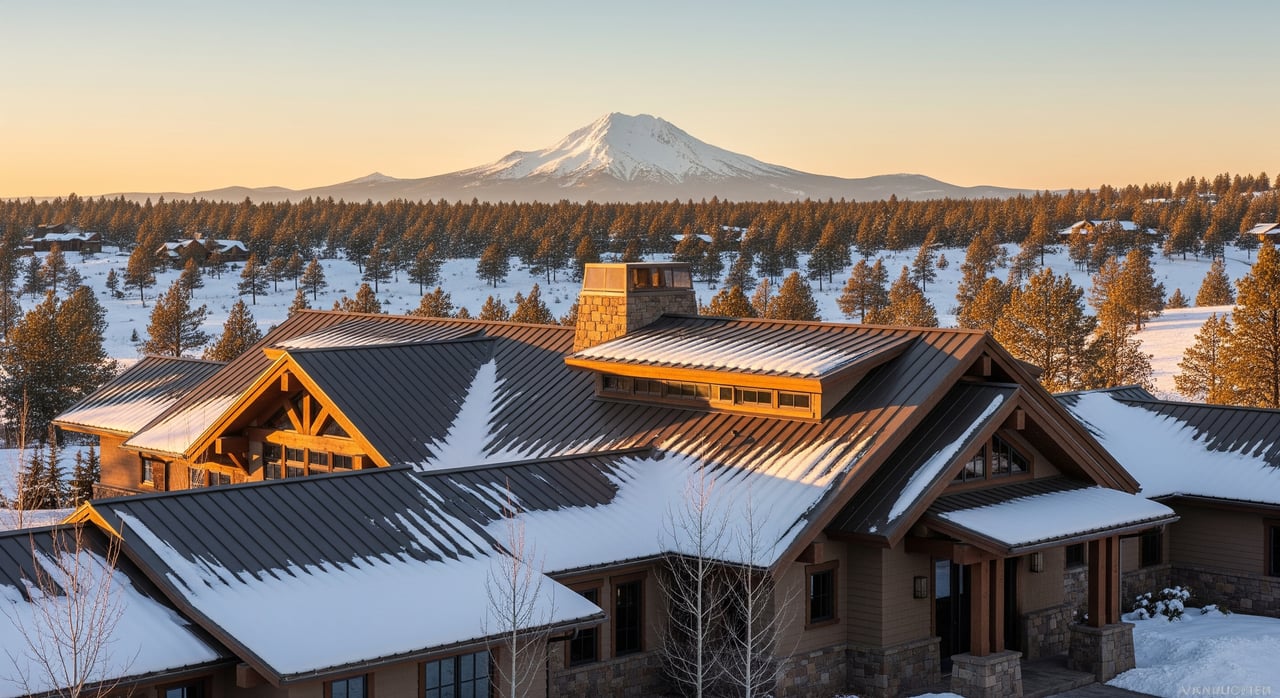
Multiple planes, dormers, and lower roofs beside taller ones increase drift risk. Valleys and long overhangs are common ice-dam zones. Simpler geometry often means fewer problem spots.
Materials: what changes with snow
- Standing-seam metal: sheds snow readily. Use snow guards to control sliding and protect entries, decks, and lower roofs.
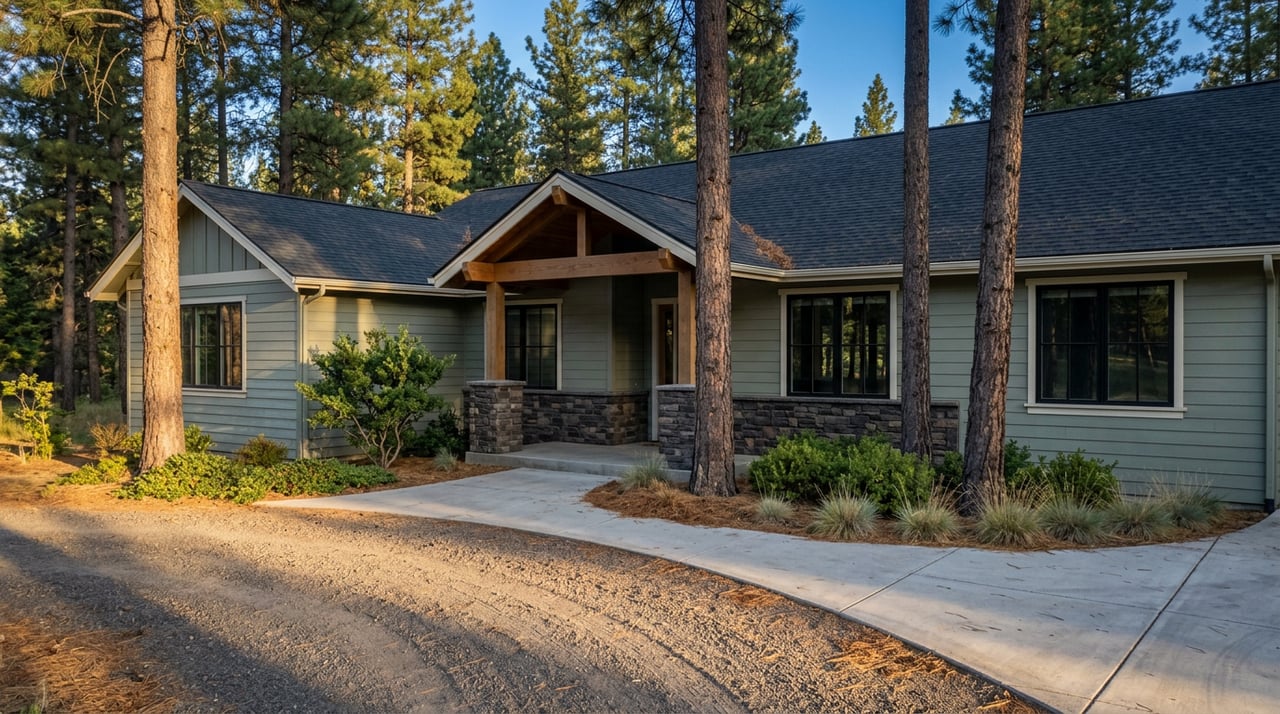
- Asphalt shingles: provide grip, often retain more snow than metal, and can moderate sliding. Check flashing in valleys and at penetrations.
- Wood shakes, tile, slate: heavier materials add dead load and can be more brittle under freeze-thaw. Confirm structure and attachment details.
- Low-slope membranes (EPDM, TPO): designed to retain water and snow. The structure and drains must be sized for local loads.
Structural systems and vulnerabilities
- Conventional rafters: performance depends on rafter size and spacing, bearing points, and a continuous load path. Attic insulation and ventilation help reduce ice dams.
- Truss roofs: factory-designed trusses must match local snow loads. Any added loads, like solar panels, need evaluation.
- Flat and low-slope systems: at higher risk for ponding if drains or scuppers freeze or clog. Keep them clear during storms.
Snow retention and edge control
- Snow guards slow and hold snow on steep roofs to prevent dangerous slides.
- Heated roof-edge systems can limit ice dams in problem areas, but they add energy and maintenance needs.
- Gutters can ice up under heavy freeze-thaw. Some cold-climate designs limit gutters and rely on well-detailed eaves.
Bend homes: trees, snow, and access
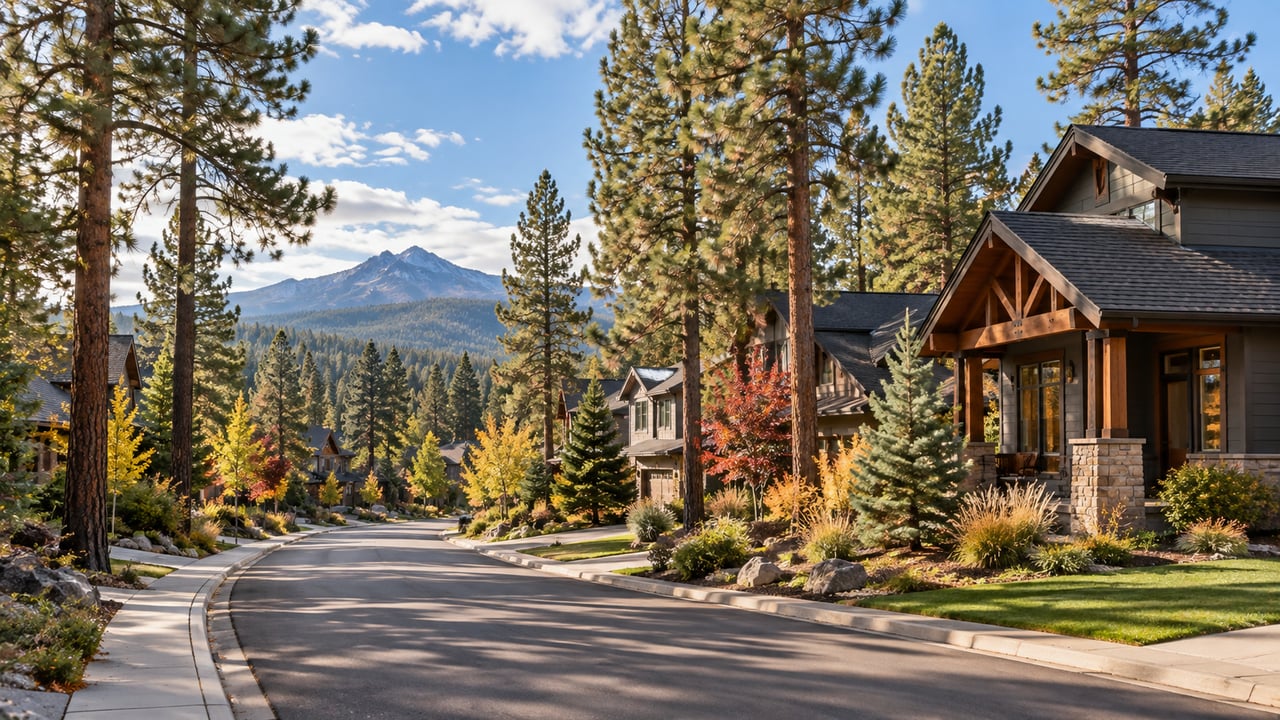
Life among tall pines is part of the magic here. Trees also change how snow behaves on and around your roof.
How trees raise or reduce risk
- Canopy interception: branches catch and hold snow. When it sheds, it can drop heavy loads onto roofs and decks.
- Branch failure: snow and ice can break limbs. Fallen branches can puncture roofs or damage framing.
- Shading: shaded roofs melt more slowly, which can increase ice-dam risk and keep drifts in place longer.
- Debris: needles and leaves clog gutters and roof drains and can worsen ponding and ice buildup.
Site management best practices
- Tree maintenance: prune and remove dead or diseased limbs near structures. After big storms, consider an arborist inspection.
- Buffer zones: maintain clear setbacks from large trunks where feasible. Plan tree placement carefully when landscaping.
- Snow-discharge planning: direct sliding snow away from entries, garages, and walkways. Guard common travel paths.
- Access: ensure driveways and approaches can be plowed quickly so service and emergency vehicles can reach the home.
Insurance and disclosures
Homeowners insurance often addresses tree or branch fall and collapse from snow or ice. Policies vary, so review coverage, deductibles, and reporting steps. Sellers should disclose known tree hazards and any prior snow-related roof damage. Buyers should request recent roof and tree inspections.
Buyer checklist for Bend homes
Bring this list to showings and inspections:
Seller prep before you list
Boost buyer confidence and reduce repair requests by handling these items:
- Gather documentation: permits, structural plans, truss specs, warranties, and any engineer reports.
- Service the roof: repair loose flashing or shingles, confirm snow guards are properly attached, and clear debris.
- Prune risk limbs: remove dead or heavy overhangs near the home and document professional work.
- Address ice-dam causes: improve attic insulation and air-sealing where needed. Balance ventilation.
- Plan safe access: mark snow-shed zones and add walk mats or railings as needed.
Seasonal maintenance calendar
-
Pre-season
- Clear gutters and downspouts, or consider alternatives if gutters ice up.
- Inspect for loose flashing, damaged shingles, or membrane blisters.
- Prune hazardous branches and schedule any needed arborist work.
-
During snow season
- Use a roof rake from the ground to relieve heavy eave buildup. Do not climb on icy roofs.
- Keep drains and scuppers open on low-slope roofs.
- Hire professionals if loads look excessive or access is unsafe.
-
Post-storm
- Check for leaks, ceiling stains, and unusual deflection.
- Photograph any damage and contact your insurer as needed.
When to call pros and pull permits
- Licensed structural engineer: when documents are missing, for remodels or additions, or if you suspect undersized framing.
- Roofing contractor: for snow-retention design, flashing upgrades, membrane work, or re-roof planning.
- Certified arborist: for pruning, hazard assessments, and post-storm evaluations.
- Deschutes County Building Division: confirm permits for re-roofing, structural work, and significant tree removal.
Budget at a glance
- Routine maintenance: typically in the hundreds, depending on size and access.
- Minor roof repairs: often hundreds to low thousands.
- Structural upgrades or truss reinforcement: several thousand and up based on scope.
- Professional roof snow removal: varies with size, pitch, and access. Get local quotes.
Ready to plan your move or prep your sale?
Bend homes offer a rare balance of forest setting and Bend lifestyle. With the right roof type, documented design load, and a smart maintenance plan, you can enjoy winter with confidence. If you want property-specific guidance, contractor referrals, or a tailored plan to buy or sell in Bend, we are here to help.
Reach out to Bend Lifestyle Realtors for a local, concierge-level strategy that puts your goals first.
FAQs
How can a Bend buyer confirm a home’s roof was designed for local snow loads?
- Request permits, structural plans, or truss calculations showing the design snow load, or hire a licensed structural engineer to evaluate.
What are the pros and cons of metal roofs on snowy Central Oregon homes?
- Metal roofs shed snow well, but you need snow guards and protected walkways to control sliding and prevent impacts on lower roofs or entries.
How can you prevent ice dams in a forested setting?
- Improve attic insulation, air-seal the ceiling to stop warm-air leaks, and ensure balanced ventilation; use heated cables only as a secondary measure.
Are large pine trees near a home an insurance concern in Deschutes County?
- Policies often cover tree-fall damage, but large overhanging limbs increase risk; proactive pruning and documented maintenance help with safety and claims.
Do you need a permit to re-roof or add snow guards in Deschutes County?
- Many jurisdictions require permits for re-roofing or structural changes, so verify requirements with the Deschutes County Building Division before work begins.