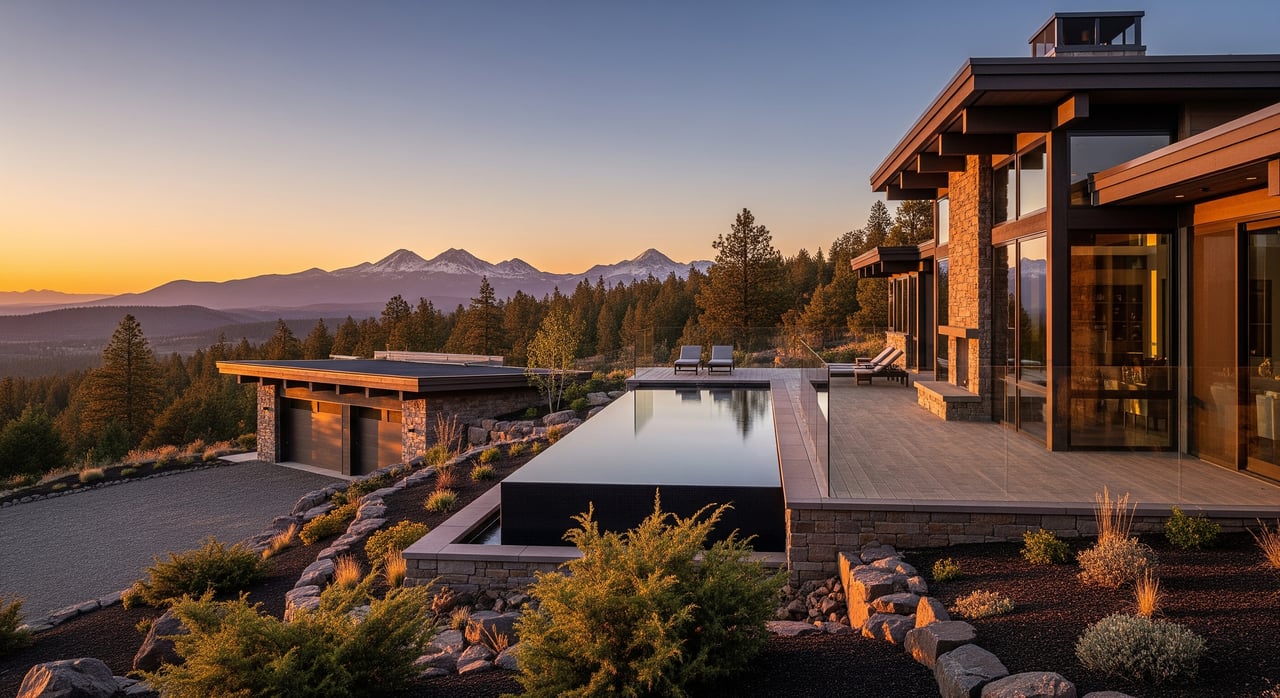
Pricing Strategy In Bend, Oregon: A Smart Guide
Is your Bend, Oregon pricing plan helping you win, or quietly costing you time and money? In a neighborhood where lifestyle and location meet strong demand, the right number matters. You want a clear path that balances data with on-the-ground judgment. In this guide, you’ll learn how to set or respond to a listing price with confidence, whether you’re selling or buying in Bend, Oregon. Let’s dive in.
For example, Shevlin Ridge sits near Shevlin Park and Bend’s west-side recreation, which helps support steady demand. Proximity to trails, parks, and employment centers attracts buyers focused on quality of life. New construction across Bend can influence buyer expectations for finishes and amenities, so monitor how nearby builds are priced.
Mortgage interest rates, inventory, and seasonality shape pricing power. When rates dip, urgency often increases. Low inventory can drive faster sales and stronger list-to-sale ratios, while rising supply may require more conservative pricing and tighter terms. Spring and early summer are usually the most active months for new listings and showings.
Use 3 to 6 closed sales from the last 3 to 6 months within your neighborhood as your foundation. Match size, lot, age, and condition as closely as possible, then adjust for view, upgrades, and time since sale. Round out the picture with 3 to 6 active and pending listings to understand where buyers will compare you today.
Many buyers search within round-number price bands. Positioning just under a common threshold can increase search visibility. Psychological pricing has a modest effect, but it can help your home stand out when paired with strong presentation.
Buyers respond to homes that feel move-in ready. Focus on high-ROI items: fresh paint, landscaping cleanup, lighting swaps, hardware refresh, and minor kitchen or bath updates. Consider professional photos and a floor plan to widen your buyer pool. A pre-listing inspection can surface issues early and support your price.
Lean into local seasonality. If you expect strong attention, set clear offer instructions with deadlines and required disclosures. Ask for buyer pre-approval letters and consider escalation clauses to navigate multiple offers with less friction.
If an offer lands above recent comps, prepare a package for the appraiser with relevant neighborhood data and upgrades. Discuss options like renegotiation, buyer cash to cover a shortfall, or contract terms that anticipate appraisal risk.
If showings are slow or feedback points to price within 10 to 21 days, revisit your position. A single, thoughtful reduction paired with fresh marketing often performs better than several small cuts. Re-launch across channels the same day to regain momentum.
Study recent closed comps with similar lot size, square footage, and condition. Review the listing’s price history and days on market. Factor in your estimated repair or improvement costs to understand the true number you are paying.
Lead with strength: a clean offer, updated pre-approval, and solid earnest money. Consider escalation language and appraisal-gap strategies after weighing your risk tolerance. Clear timelines and responsive communication can help you win even against similar prices.
When inventory climbs, you can negotiate more confidently. Use inspection contingencies for due diligence and consider asking for closing cost credits or price adjustments for condition. Keep your offer terms simple and timely.
Request seller disclosures and review recent utility and maintenance records. Use inspection findings to seek fair credits for necessary repairs. If the appraisal comes in low, options include renegotiating the price, contributing extra cash, or finding common ground on concessions.
Stay close to your lender on rate movements. A small change can shift your purchasing power. If a cash offer is possible, weigh the negotiation advantage against your opportunity cost.
Buyers often cross-shop west-side Bend neighborhoods like Northwest Crossing, Riverwest, Old Mill District, Mt. Bachelor Village, and nearby subdivisions. When using them as comps, align for lot size, age, HOA context, and amenities. New construction subdivisions may carry different baseline pricing and incentives, so compare carefully.
In Bend, Oregon, the best price is the one supported by quality data and local nuance. When you pair a tight comp set with the right launch or offer strategy, you protect your time, stress, and bottom line. If you would like a neighborhood-specific CMA or a second look at your pricing plan, we are here to help.
Ready to craft a winning pricing strategy for your property or the property you seek? Connect with Bend Lifestyle Realtors for a hyper-local plan tailored to your goals.

Bend Lifestyle
Mountain Biking in Bend: A Guide from Beginner to Advanced
Sisters
Twenty minutes from Bend, a world apart. Here's what people who love Sisters actually love about it.

Bend Lifestyle
Every place has things you can do there. Bend has things you can only really do here.
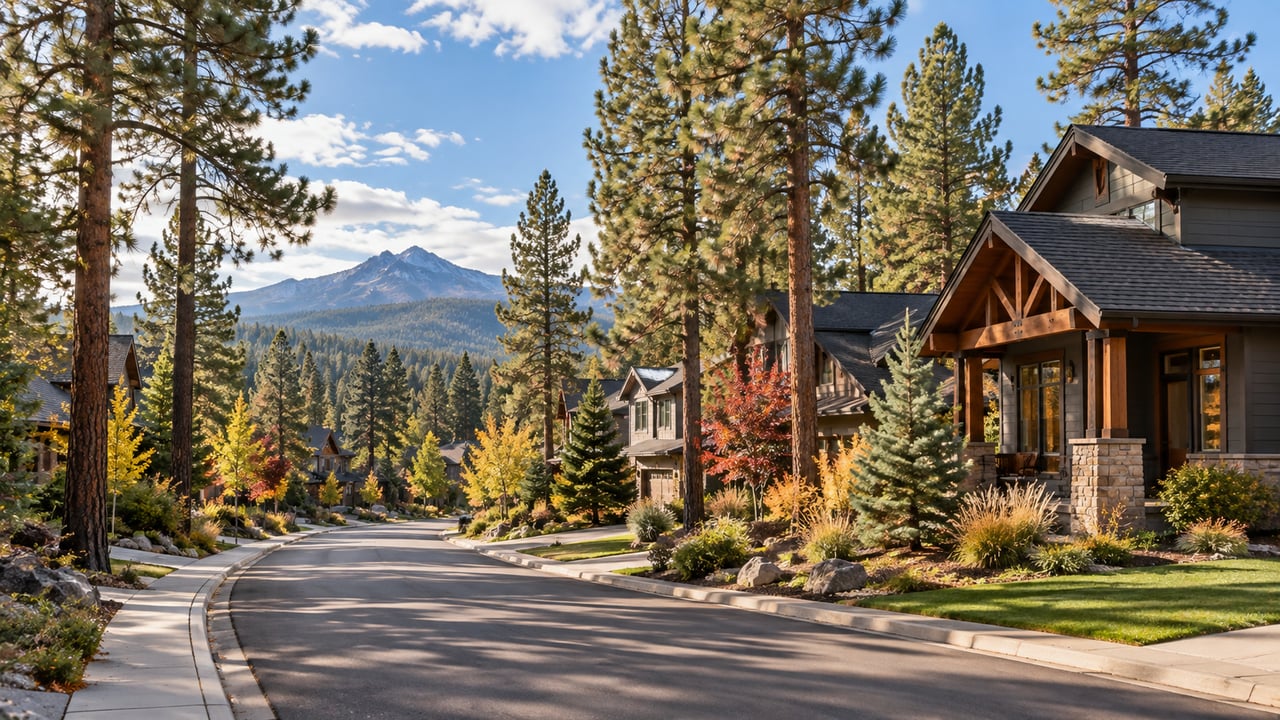
Bend Neighborhoods
Everyone knows Northwest Crossing and Old Bend. Here are the neighborhoods that fly a little quieter and often deliver more.

Bend Lifestyle
Summer gets the crowds. Fall gets the color. Here's where to find it in Central Oregon.
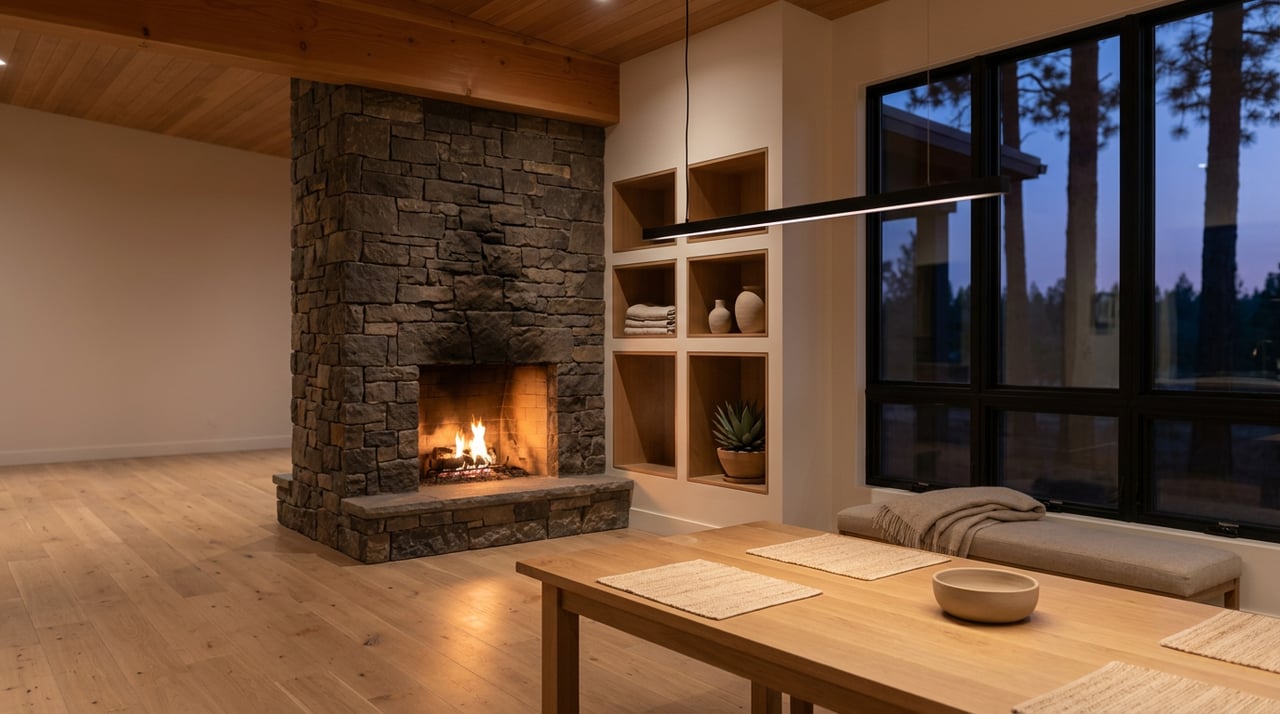
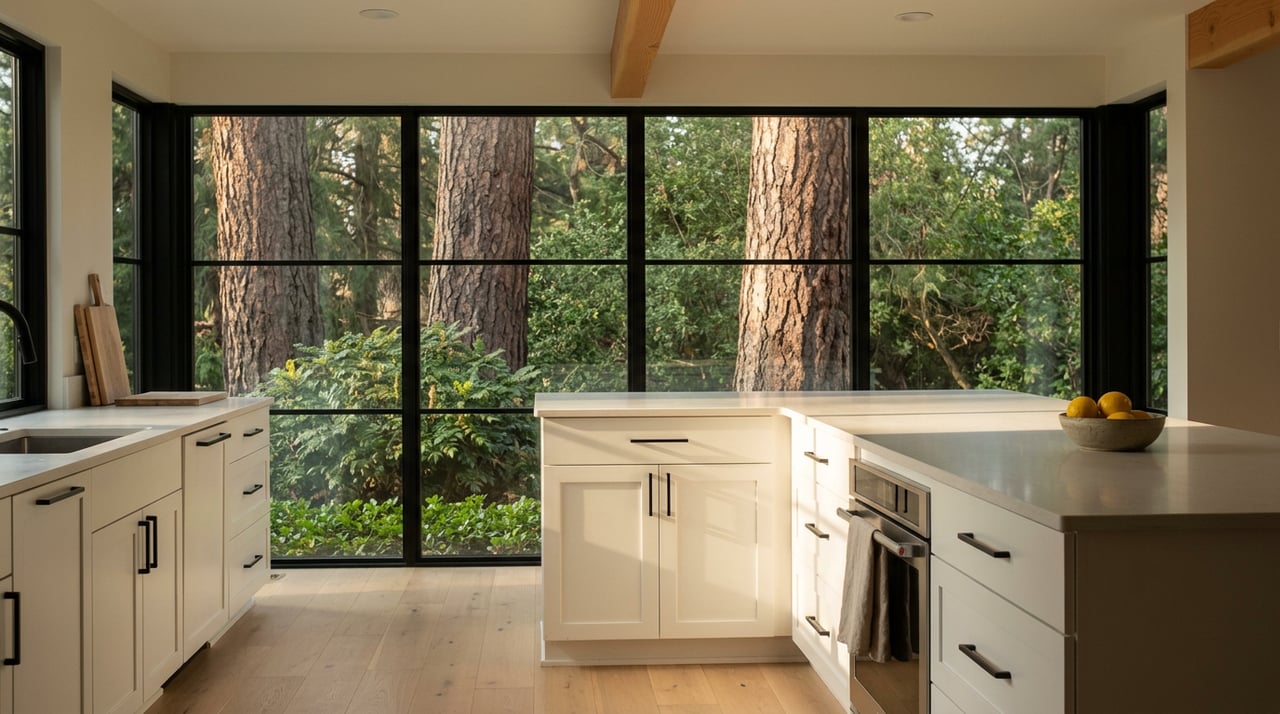
Whether we’re working with first-time home buyers, seasoned investors, new residents to Bend, or anyone else, we want to help them find their ideal properties.

Rachel Greenwald Rhoads
Shana Sellers
Bend Premier Real Estate
Address
550 NW Franklin Ave Ste 108
Bend OR 97703