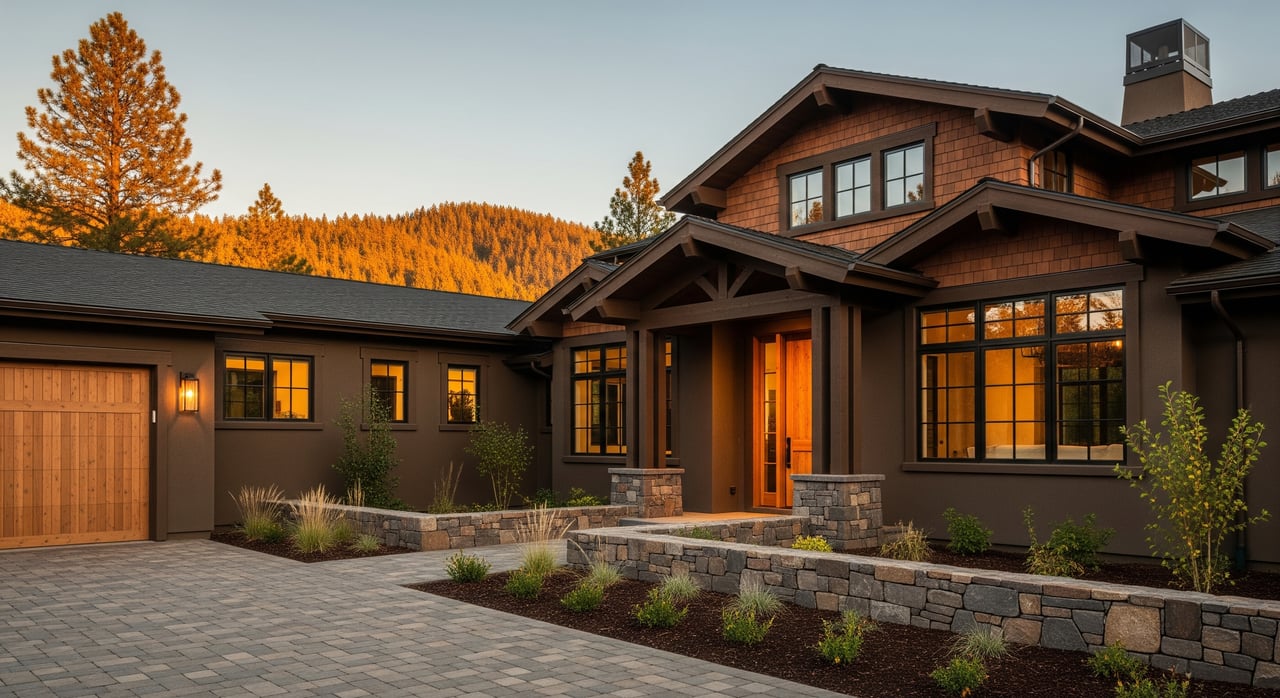
Contingent Offers in North West Crossing Explained
You found the right home in the perfect Bend, Oregon neighborhood, but you need to sell first or confirm financing. Do you risk losing it or write a contingent offer that protects you? You are not alone. In a tight Bend market, contingencies can make or break a deal, and the details matter.
In this guide, you will learn how contingent offers work and what timelines to expect in Central Oregon, and how to strengthen your position whether you are buying or selling. You will also see practical strategies we use with clients to reduce risk without giving up leverage. Let’s dive in.
A contingency is a contract clause that says your obligation to close depends on a specific condition being met. If the condition is not met and you follow the contract steps, you can usually cancel and protect your earnest money. Common examples include financing, inspection, appraisal, sale of your current home, and HOA review.
In Oregon, purchase agreements use standardized forms that spell out each contingency, the notice you must give, and the deadlines. All contingencies and any changes must be in writing. You will either remove a contingency in writing, or you may waive it, which gives up that protection. Deadlines are calendar days and must be tracked closely.
Your purchase depends on getting a loan that meets agreed terms by a set date. If your lender denies the loan or cannot meet the terms, you may be able to cancel within the deadline. Sellers in competitive moments often look for firm pre‑approval and short timelines.
You can inspect the home and either accept, negotiate repairs or credits, or terminate within the inspection window. In tighter markets, sellers often push for shorter windows. Some buyers narrow the inspection to material defects only to stay competitive, which increases risk.
If the appraisal comes in lower than the contract price, you and the seller can renegotiate, you can bring extra funds if you agreed to cover a gap, or you can cancel if the contingency allows. Appraisal timing should line up with financing dates to avoid delays.
Northwest Crossing, for example, is a planned community with an active HOA and design standards. An HOA review contingency lets you check bylaws, financials, meeting minutes, and any special assessments. You should confirm any rental rules, design review requirements, and your ability to comply.
Title, encumbrances, and insurability must meet contract standards. Your title and escrow company will help confirm a clear path to closing. If a title issue appears, the contract will outline remedies and timelines.
Your purchase depends on selling your current home, sometimes also closing it, within a set period. Sellers view this as higher risk unless supported by strong proof and protective terms like a kick‑out clause.
Northwest Crossing, for example, is a walkable, master‑planned neighborhood in Bend with parks, sidewalks, and a mix of single‑family homes and small‑lot infill. It appeals to buyers who value neighborhood amenities and proximity to Bend’s west side.
From 2022 through mid‑2024, Bend and much of Deschutes County saw lower inventory with relatively high demand compared with historical norms. In those conditions, sellers often received multiple offers and preferred fewer or shorter contingencies. Contingent offers are still used, but you typically need to strengthen other terms to compete. Sellers, in turn, should weigh certainty and timing against price when a contingent offer arrives.
Write every date into the contract and track them. Notices, removals, and terminations must be in writing and delivered on time.
The HOA is central to living in Northwest Crossing. As a buyer, use your HOA contingency to review governing documents, budgets, meeting minutes, and any announced or pending special assessments. Confirm rules that may affect your plans, such as design review procedures, exterior changes, or rental policies.
As a seller, disclose HOA contacts and any known assessments early. Proactive delivery of HOA documents can shorten the review period and help your buyer feel confident, which supports a smoother path to removal of contingencies.
Risks are real. Waiving or narrowing contingencies makes your offer stronger, but it increases your exposure to repair, financing, or appraisal surprises. Keep your protections where you need them most, and put every agreement in writing.
You deserve a guide who knows the neighborhood and the contract details. At Bend Lifestyle, you get a two‑broker team with deep Bend expertise and disciplined transaction management. We bring a concierge approach to scheduling, HOA document review, and deadline tracking, and we negotiate clean, clear terms that protect your goals.
Our track record includes 389 plus closed deals and about 258 million dollars in sales with a top two percent local ranking. Whether you are buying or selling your home in Bend, Oregon, we help you structure contingencies that support certainty and a smooth closing.
Ready to talk through your plan, timelines, and options? Connect with Bend Lifestyle Realtors for a friendly strategy session and next steps.


Buyer Tips
It's one of the biggest quiet forces shaping Bend's housing market. Here's what it is and why it matters to buyers.
Bend Home Prices
One of the most stressful moments in a purchase, explained calmly, before it happens to you.

Buying in Bend
The bidding-war frenzy has cooled, but the best homes still draw competition. Here's how to be the offer that wins.

Family
In one of the most dog-loving towns in the country, the trails are half the reason people (and their pups) never want to leave.

Bend Real Estate
If you're buying land or an acreage property near Bend, water rights may matter as much as the house. Here's the plain-English version.
Bend Home Prices
Oregon's property tax system confuses almost every newcomer. Here is how it actually works in Deschutes County.

Buying in Bend
There is a reason so many Bend second-home searches start in July. Here is how to think it through.
Whether we’re working with first-time home buyers, seasoned investors, new residents to Bend, or anyone else, we want to help them find their ideal properties.

Rachel Greenwald Rhoads
Shana Sellers
Bend Premier Real Estate
Address
550 NW Franklin Ave Ste 108
Bend OR 97703