Discovery West Bend Investment: What Buyers Should Evaluate
Eyeing Discovery West as your next Bend investment? Between phased buildout, design rules, and rental limits, there is real upside but also details to vet. In this guide, you will learn how the master plan works, what product types are on the ground, how rentals are regulated, and which documents to pull before you write an offer. Let’s dive in.
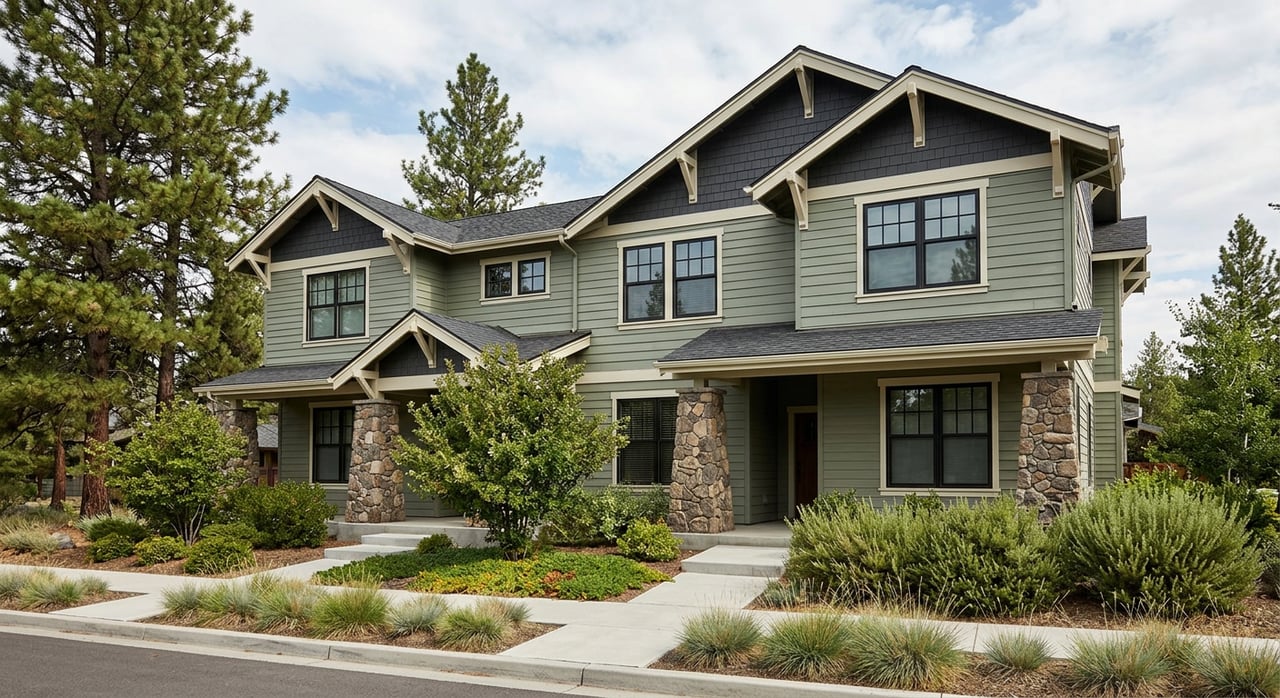
Discovery West is a 245-acre, master-planned neighborhood on Bend’s west side, led by NWX2 LLC, a team with roots in NorthWest Crossing. The City of Bend adopted the Discovery West Master Plan into the Development Code in 2019, which sets the transect-based layout, open spaces, and housing mix. That plan places higher densities near the core and larger lots toward the western edge. You can review the adopted ordinance and exhibits for the full framework and intent of the plan in the City’s master-plan document and learn more about the developer’s vision on the Discovery West site.
The 2019 master plan sets a maximum of 650 dwellings, with a minimum build requirement of 585. Later City actions in 2021–2022 reallocated some “middle and multi-unit” allocations among subareas, which is why you may see materials describing Discovery West as roughly a 710-unit buildout. The key difference is the original master-plan cap versus later unit reallocation and how the developer communicates expected buildout. For precise, current numbers, cross-check the 2019 ordinance with the City’s 2021–2022 amendment and confirm with Planning if unit caps are critical to your underwriting (2019 ordinance; 2022 amendment).
Discovery West includes a wide mix of housing and small-scale commercial. The master plan allows single-family homes, attached townhomes, cottages, mews, apartments, and live/work townhomes that bring storefronts and services into the neighborhood core. A mixed-use hub called Discovery Corner serves as the community plaza. The plan is being built in phases, with homes and the mixed-use buildings delivered as infrastructure milestones are met.
Discovery West operates with detailed Architectural Guidelines that affect long-term appeal and maintenance expectations. The guidelines require Earth Advantage certification, outline allowed architectural styles, set rules for ADUs and outbuildings, and define landscape and hardscape standards. Buyers and builders submit plans to an Architectural Review Committee and pay design-review fees per the guidelines. If you are evaluating a lot or spec home, read the Architectural Guidelines and the recorded CC&Rs to understand the ARC process, fees, and enforcement.
The neighborhood emphasizes wildfire resilience. The Architectural Guidelines and master plan include measures like side setbacks in key locations, fire-resistant materials in narrow zones, defensible-space plant lists, screening for vents, and landscape rules next to wildlands. Discovery West holds a Firewise USA designation, and enforcement runs through ARC review and the HOA. Earth Advantage certification for residential, mixed-use, and multi-family buildings is also required, which can influence both build and operating costs. Details are spelled out in the Architectural Guidelines.
Short-term rental potential exists in Discovery West, but it is not universal. The clearest STR activity is a small cluster of overnight rentals at Discovery Corner, marketed with a professional operator and reported early success with nightly rates around the low 300s. That said, City rules govern whether a specific address can run as a short-term rental, and HOA documents can add further limits. The presence of a managed STR product in the plaza does not automatically extend STR rights to other lots. Local reporting on the initial STR product can be found in the Bend Bulletin’s coverage of Discovery Corner’s rollout (news report).
Bend requires land-use review and an Operating License for most STRs. Key constraints include a 500-foot spacing rule in many residential zones, permit type, neighbor notification, fees, and annual renewals. Always check the City’s STR eligibility map and confer with Planning for the parcel you are evaluating. Start with the City’s short-term rental rules and licensing page.
Long-term rentals are also part of the investment picture. City-level indices can provide context for pricing and rent trends, but they are not a substitute for product-specific comps. Local property managers report that vacancy and effective yields have softened from peak periods, so current, product-level lease comps and a realistic management plan matter. If you are underwriting, weigh amenities like storage for recreation gear, EV charging, and pet policies, which can influence achievable rent and absorption.
Discovery West’s HOA governance and recorded CC&Rs outline owner obligations and enforcement authority for design standards and wildfire mitigation. As an investor, confirm whether whole-home STRs are allowed or limited in the CC&Rs, and remember that City approval is a separate process. Review parking allocations, guest and signage rules that could impact STR operations or long-term tenant convenience.
Budget and reserve planning matter. Ask how the common plaza and capital items are funded, whether special assessments are possible, and how reserve contributions are structured. Fees vary by product type and will evolve as common areas turn over to the HOA, so confirm the exact dues for your specific lot or unit and request recent financials. The recorded CC&Rs and Architectural Guidelines are your starting points.
One more nuance to confirm is whether the commercial and mixed-use parcels fall under the same HOA umbrella. The developer has discussed this in community settings, and inclusion affects owner responsibilities related to plaza maintenance. For context, see the developer’s public meeting materials on infrastructure and governance topics (developer Q&A).
Discovery West is being delivered in phases with public-infrastructure triggers. Traffic mitigation and roundabout construction must occur before later plats move forward. These milestones influence when specific lots become marketable and when new homes can be occupied, which matters if you are timing a build or planning lease-up. Confirm which phase your target lot sits in and which roadway improvements are complete or still pending. The developer’s public materials outline key transportation triggers and improvements such as roundabouts and collector upgrades (developer Q&A).
Parks, trails, and school proximity are core parts of the plan and can support long-term appeal. Connectivity to nearby open spaces like Shevlin Park and the neighborhood plaza are consistent marketing points. Keep in mind that traffic patterns during school hours are an operational consideration for families.
Bend is a long-running amenity market where new, well-amenitized neighborhoods often see strong interest. After rapid appreciation in the early 2020s, price growth has moderated and inventory is higher than peak years. In that setting, Discovery West’s walkability, mixed-use hub, and energy-efficient standards are positives for resale and long-term demand. For pricing an exit, use recent sales in Discovery West and nearby west-side comparables rather than broad city averages.
Use this quick list as your first filter before making an offer:
Before you commit, pull and review these items:
Ready to run the numbers on a specific lot or home and pressure-test your plan against rules, timelines, and comps? Reach out for a focused consult with Bend Lifestyle Realtors. We will help you confirm eligibility, uncover deal risks early, and position your investment for a smoother close.

Bend Lifestyle
Mountain Biking in Bend: A Guide from Beginner to Advanced

Sisters
Twenty minutes from Bend, a world apart. Here's what people who love Sisters actually love about it.

Bend Lifestyle
Every place has things you can do there. Bend has things you can only really do here.
Whether we’re working with first-time home buyers, seasoned investors, new residents to Bend, or anyone else, we want to help them find their ideal properties.

Rachel Greenwald Rhoads
Shana Sellers
Bend Premier Real Estate
Address
550 NW Franklin Ave Ste 108
Bend OR 97703