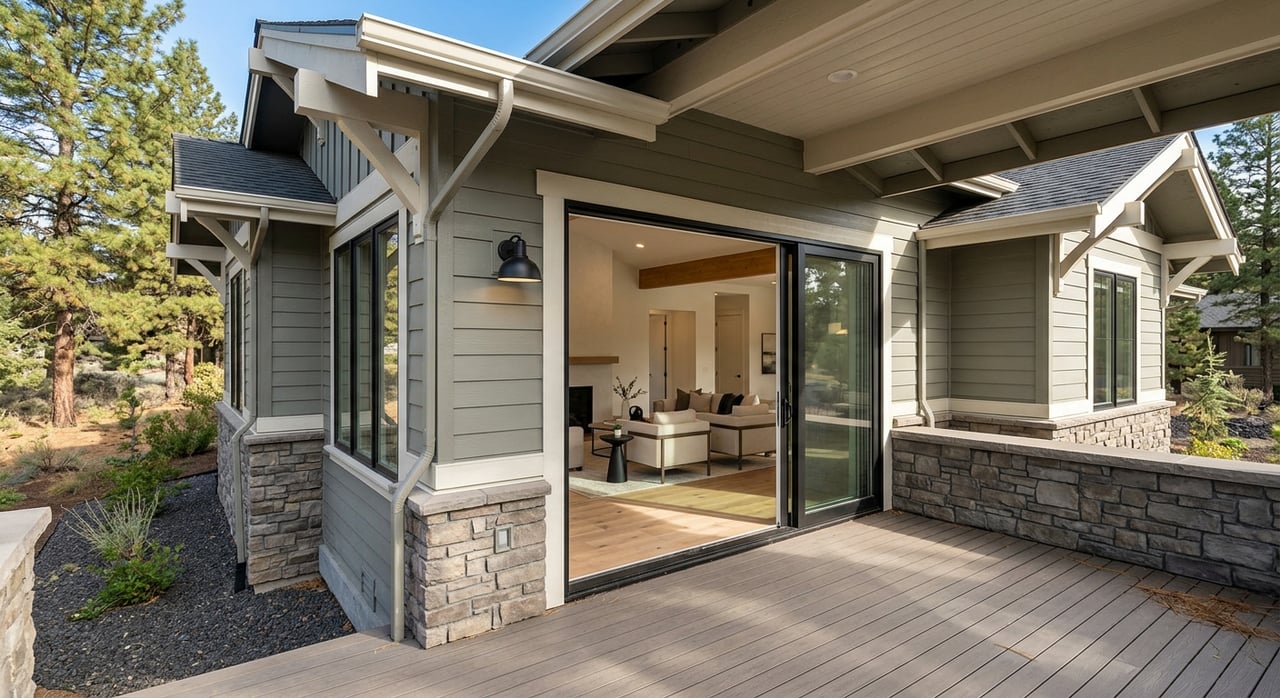
What To Consider When Buying A View Home On Awbrey Butte
You fall in love with the view first. The sweep of the Cascades, the city lights at night, the sun dipping behind Bachelor. If you are looking in 97703 on Awbrey Butte, that feeling is real. But before you write an offer, it pays to understand the lot, the rules, and the long-term factors that keep that view as enjoyable as it looks today. In this guide, you’ll learn what creates those views, how lot position and design shape daily living, the key safety and regulatory items to check, and a practical due-diligence checklist you can use on your next tour. Let’s dive in.
Awbrey Butte is a volcanic remnant that rises above northwest Bend, creating the ridge and elevated rim that open up mountain and city panoramas. Local field guides describe the butte’s basaltic lava history and elevation, which set the stage for broad sightlines across the Deschutes River canyon toward the Cascades. You can explore the geologic context in the Riley Ranch field guide, which notes Awbrey Butte’s elevation and volcanic features that shape the terrain and views. That local geology context is here.
Regional geology also explains why certain ridgelines capture the widest mountain panoramas while mid-slope locations frame partial views. A USGS overview of Central High Cascade geology helps paint the bigger picture of how volcanic landforms guide viewsheds on Bend’s west side.
Where a home sits on the butte changes everything. Ridge and upper-slope lots tend to offer the broadest views, sometimes in multiple directions. That exposure can also mean more wind, sun, and fire exposure, and the potential for higher costs when it comes to retaining walls, utilities, or complex driveways.
Mid-slope or stepped lots can deliver excellent, more intimate viewpoints with well-placed decks and terraces. Expect more attention to grading and drainage to keep those spaces usable year-round. On steeper terrain, you or your builder may need recommendations from a geotechnical engineer before altering grade or adding structures.
Orientation matters, too. South and southwest exposures bring more winter sun and longer shoulder seasons on patios. West-facing spaces favor evening light and sunsets but can run warmer in mid-summer. North-facing slopes tend to hold ice and snow longer, which affects both daily living and maintenance.
Awbrey Butte’s mix of juniper and pine gives many homes a sense of privacy. It also influences what you see. Trees can frame mountain peaks beautifully, or they can limit a view from lower levels. Before you assume you can thin trees to open a view, check the rules that apply to that property.
Awbrey Butte includes multiple subdivisions with a patchwork of HOAs and CC&Rs, plus a City-recognized neighborhood district. Start by confirming whether the property is in an owners association and what the governing documents say about tree work, exterior changes, and lighting. The Awbrey Butte Owners Association is a helpful starting point for understanding common standards, but rules vary by subdivision.
It is also important to know that there is no blanket, citywide protection for private views. In Oregon, views are typically protected only by recorded easements, subdivision height limits, or HOA rules. The City’s neighborhood districts page explains how neighborhood organizations work, but you must confirm property-specific protections in title and plat records before assuming a view is permanent.
A great view home invites you outside. Look at how the floor plan connects living areas to decks and terraces. Covered outdoor rooms can extend your season significantly, especially on more exposed ridge sites. On steeper lots, multi-level decks and small terraces can still create private, functional spaces with smart design.
Access matters in 97703 winters. Steeper or longer driveways may need more de-icing, plowing, and careful vehicle choices. Ask whether the street is publicly maintained or private, and who is responsible for snow and ice management. The City’s Neighborhood Street Safety Program is a good reference for how Bend addresses safety and street improvements in established areas.
On ridges and slopes, water moves quickly. That adds importance to grading, retaining walls, downspout extensions, and site drainage. If you plan to change grade or add structures, expect the City to require erosion controls and stormwater plans. Bend’s stormwater standards lay out requirements and best practices for projects that modify the site. You can review the City’s stormwater and drainage guidance for context.
Basaltic geology is common on the butte. In practice, that can mean you anchor foundations into rock, drill piers, or encounter variable rock depths across a single lot. The Oregon DEQ’s materials on Bend’s subsurface provide useful background on local basalt and groundwater that affect site decisions. See the DEQ overview here.
The west and northwest sides of Bend sit closer to the wildland-urban interface. Local reporting highlights wildfire as a major regional hazard and explains how neighborhoods, including areas around Awbrey Butte, have organized mitigation efforts. It is wise to weigh defensible space, ember-resistant features, and community-level mitigation when comparing homes. For a local perspective on wildfire and building in Bend’s wildlands, read this Source Weekly report.
Insurance availability and cost can vary for properties in higher-hazard zones. State-level reporting details how underwriting can shift in response to wildfire risk, and why it is smart to get quotes early in your process. The Oregon Division of Financial Regulation outlines these dynamics in its recent report. Ask your insurer about premiums, deductibles, and any coverage limitations tied to wildfire exposure.
If you plan new construction or significant site changes, anticipate geotechnical investigations on steeper or variable sites. The International Building Code’s soils and foundations chapter explains when site-specific subsurface exploration is standard practice. Those findings can influence foundation type, retaining walls, and overall cost. You can review the IBC context here.
Beyond permits, confirm whether your property is in a private HOA with architectural guidelines. Many subdivisions require approvals for exterior materials, colors, landscaping, and lighting. The City of Bend also recognizes the Awbrey Butte neighborhood district, a civic body distinct from private HOAs. You can learn about neighborhood districts on the City’s site, then follow up on property-specific CC&Rs through the seller and title.
View homes on Awbrey Butte typically sell at a premium relative to Bend’s overall median. Local market pages and 97703 data consistently show higher medians and a concentration of upper-tier listings that capture views. Inventory at the high end can be tight, and in more competitive months, well-positioned view properties can move quickly.
Because pricing shifts with season and interest rates, you should rely on current, property-specific comps and active competition on the butte. Ask for a custom micro-market review that compares ridge, upper-slope, and mid-slope locations, then adjusts for orientation, outdoor living, and recent upgrades. That approach gives you a more accurate read on the view premium for the exact home you are considering.
Use this checklist before and during your offer period:
Documents to request
On-site and inspection questions
Pros you may need
When you are torn between two options, use a simple side-by-side approach:
A postcard view is a powerful draw, and on Awbrey Butte, it is often worth the premium. The key is to pair that emotion with due diligence. Confirm view protections, understand the lot and orientation, evaluate wildfire and insurance, and plan for drainage on a slope. With those boxes checked, you can enjoy the mountains and city lights with fewer surprises after closing.
Ready to walk these homes with a local, two-broker team that knows the butte’s micro-markets inside and out? Connect with Bend Lifestyle Realtors for a tailored tour, a property-specific checklist, and a clear plan from first showing to closing.
Bend Lifestyle
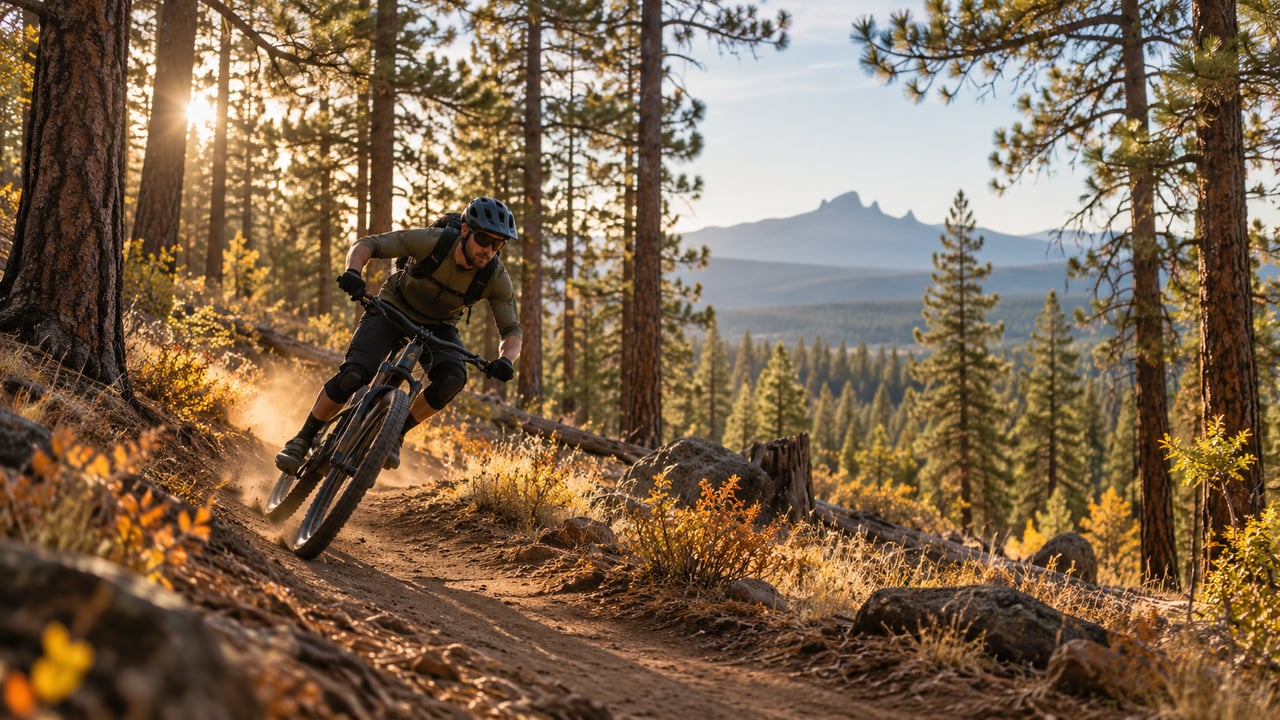
Mountain Biking in Bend: A Guide from Beginner to Advanced
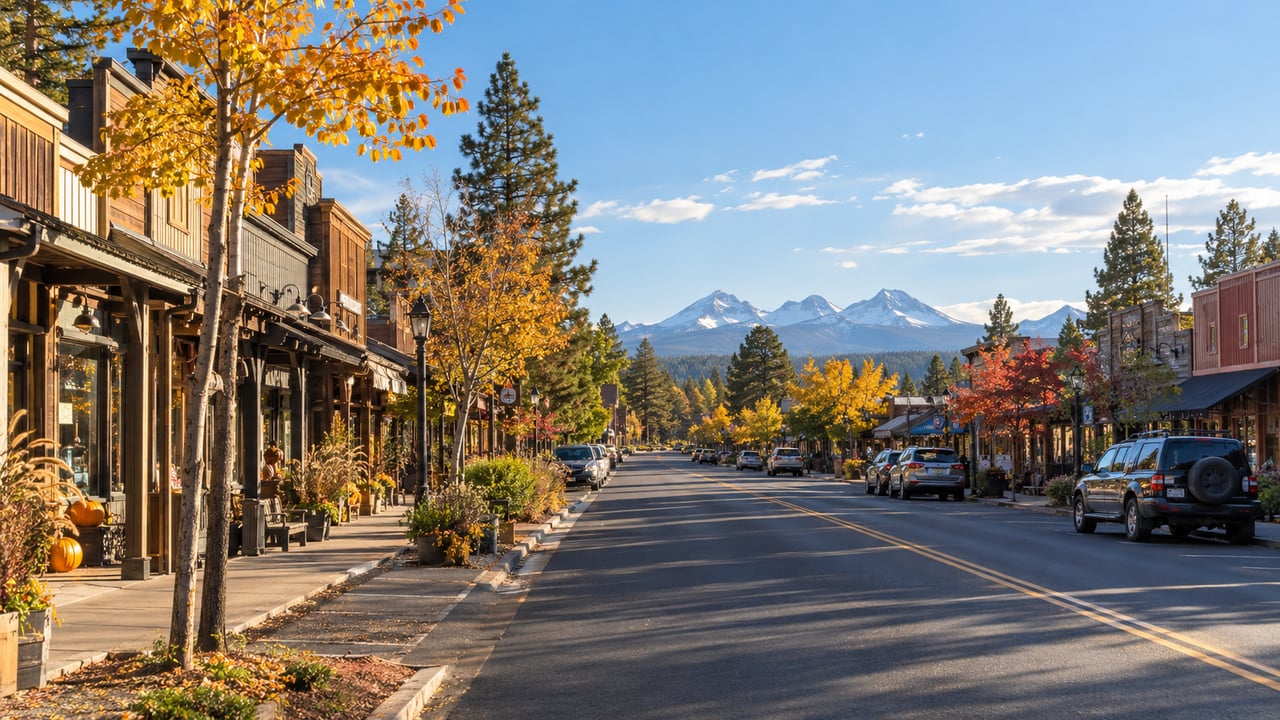
Sisters
Twenty minutes from Bend, a world apart. Here's what people who love Sisters actually love about it.
Bend Lifestyle
Every place has things you can do there. Bend has things you can only really do here.
Bend Neighborhoods
Everyone knows Northwest Crossing and Old Bend. Here are the neighborhoods that fly a little quieter and often deliver more.
Bend Lifestyle
Summer gets the crowds. Fall gets the color. Here's where to find it in Central Oregon.
Whether we’re working with first-time home buyers, seasoned investors, new residents to Bend, or anyone else, we want to help them find their ideal properties.

Rachel Greenwald Rhoads
Shana Sellers
Bend Premier Real Estate
Address
550 NW Franklin Ave Ste 108
Bend OR 97703