Central Cascades Wilderness Permit System Near Bend
Bend Lifestyle
Bend Lifestyle
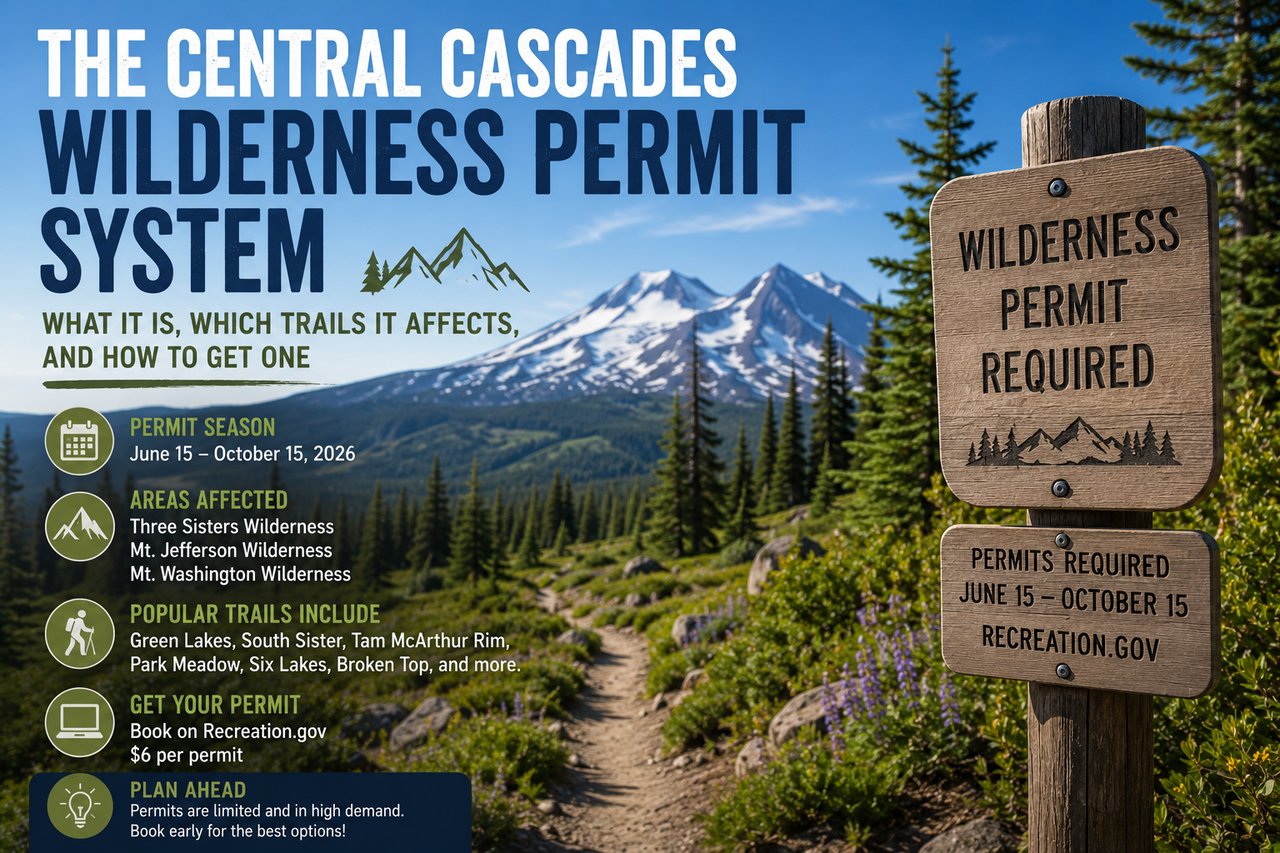
If you've ever tried to hike to Green Lakes or summit South Sister on a sunny July weekend and found yourself in a slow-moving conga line up the trail, you understand why this exists.
The Central Cascades Wilderness Permit system is the U.S. Forest Service's response to years of trampled meadows, overflowing trailhead parking, and the steady reality that the most beautiful wilderness near Bend has become very, very loved.
Here's what you need to know before you plan a summer hike.
In 2021, the Forest Service launched a limited-entry permit system covering three wilderness areas in the Central Cascades:
The goal is straightforward: protect fragile alpine ecosystems and improve the visitor experience by capping how many people enter on a given day at the most popular trailheads.
Permits are required from June 15 through October 15 each year. Outside that window, you can hike without one but conditions tend to be cold, wet, or snowy.
Two types of permits exist:
If you're hiking outside the permit season, on a trailhead that isn't on the list, or in a different wilderness (like Diamond Peak or Waldo Lake), you don't need a Central Cascades permit.
This is the part that matters most for Bend-area hikers. Some of the most popular trails near Bend require day-use permits during the permit season, including:
Note: Broken Top and Crater Ditch trailheads may not even be accessible by vehicle until late July or early August in most years — the access roads require high clearance and 4WD.
Not every popular Bend hike is on the list. Tumalo Falls, Shevlin Park, Pilot Butte, and many trails in the Deschutes National Forest outside of these wilderness boundaries don't require permits.
All permits are handled through Recreation.gov - online, through the app, or by phone at 1-877-444-6777.
You cannot get one at the trailhead. You cannot get one at a Forest Service office. Show up without one and you risk a citation and being turned around.
There are two release windows:
Day-use permits follow a similar rolling release pattern.
The reservation fee is $6.00 per permit, non-refundable.
The permit system has been controversial. Some locals dislike the added friction; others appreciate the dramatically quieter trails and the chance for delicate alpine areas to recover.
What's clear is that the system is here to stay, and it shapes how people plan their summers in and around Bend. For new residents, it can come as a surprise, you can't always just decide on Saturday morning to hike South Sister.
The upside: many of the area's most beloved trails are now noticeably less crowded, the wildflower meadows look healthier than they did a few years ago, and the experience of being in the wilderness feels more like wilderness again.
A short cheat sheet:
The earlier you plan, the more flexibility you have.
For homeowners and would-be locals, the permit system is just one more piece of the Bend rhythm. Weekday hikes get easier than weekends. Spring shoulder season (before June 15) and fall (after October 15) become prime windows for permit-free exploration. And neighborhoods that put you close to non-wilderness trails, Shevlin Park, Phil's Trail, the Deschutes River corridor — start to feel even more valuable.
If you're considering a move and want to talk through which Bend neighborhoods get you closest to the trails you love (permitted or not), we'd love to help.
Bend Lifestyle
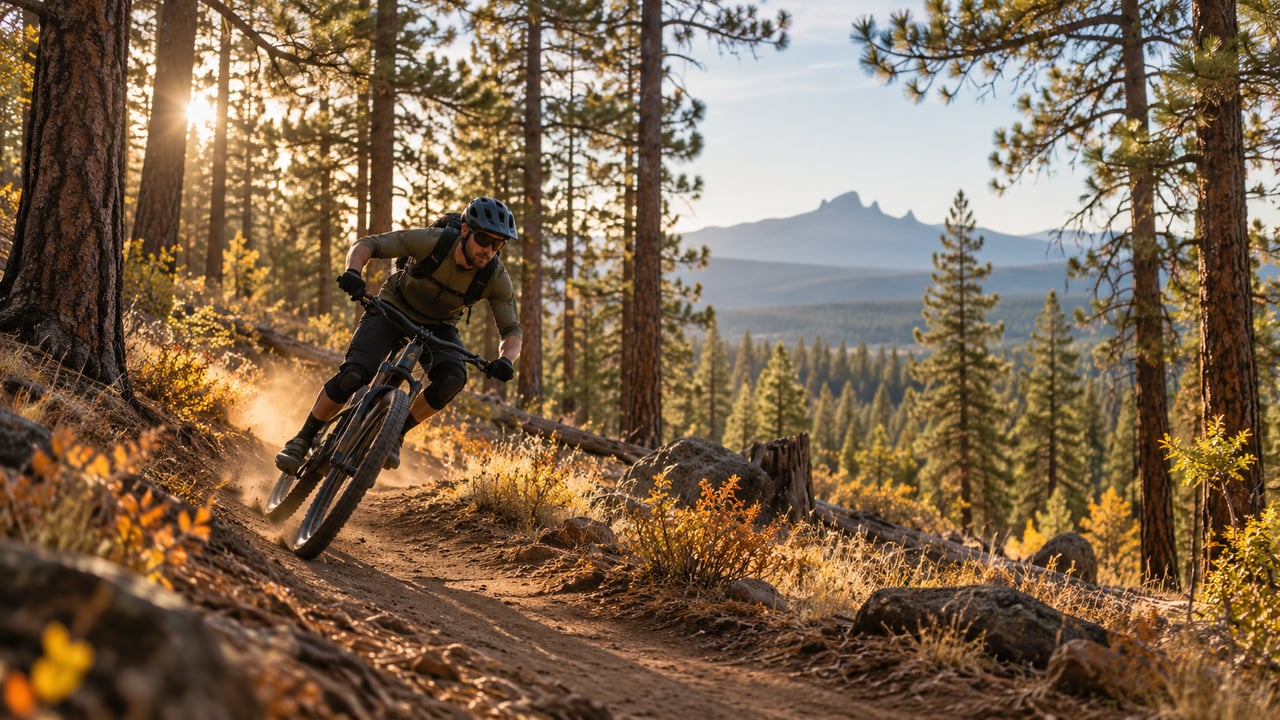
Mountain Biking in Bend: A Guide from Beginner to Advanced
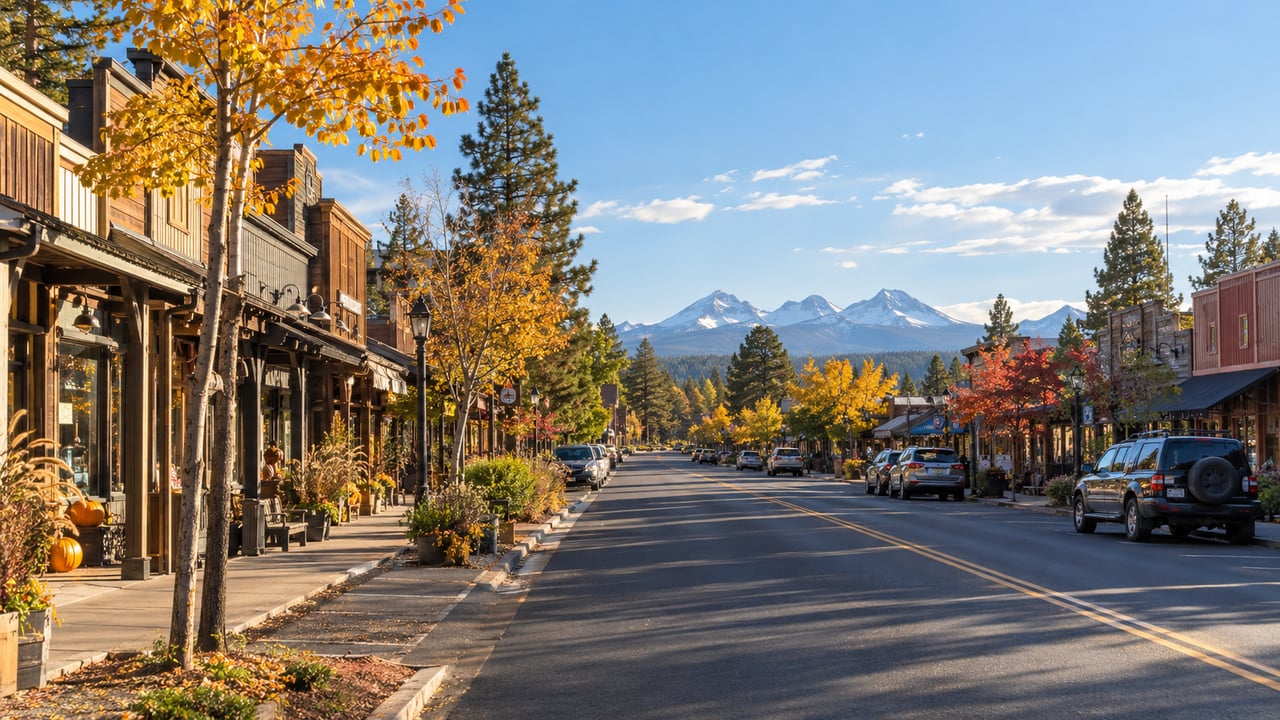
Sisters
Twenty minutes from Bend, a world apart. Here's what people who love Sisters actually love about it.
Bend Lifestyle
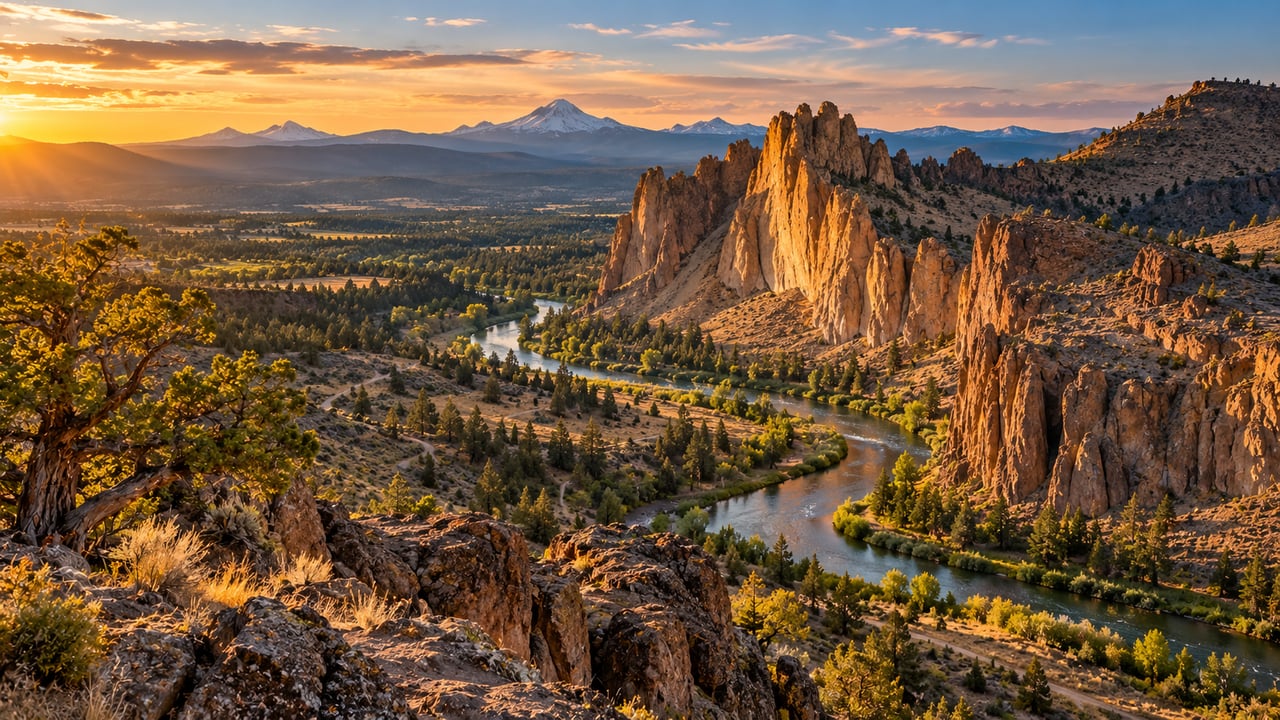
Every place has things you can do there. Bend has things you can only really do here.
Bend Neighborhoods
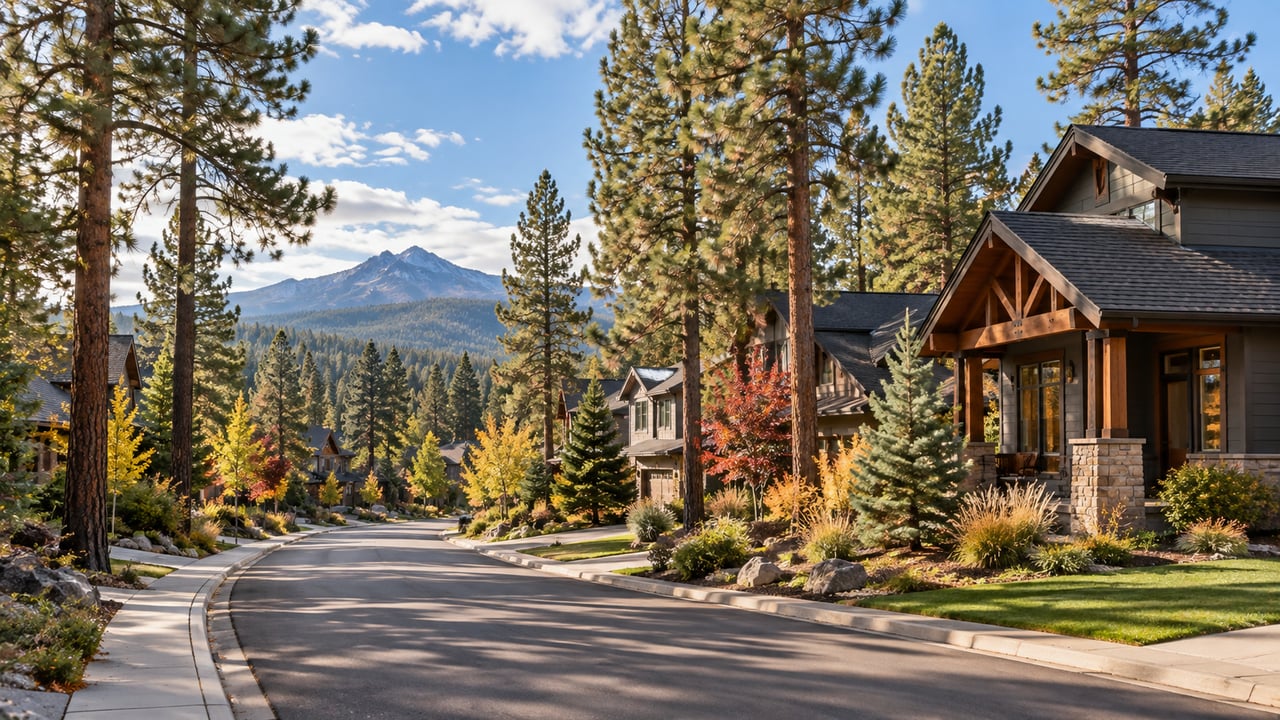
Everyone knows Northwest Crossing and Old Bend. Here are the neighborhoods that fly a little quieter and often deliver more.
Bend Lifestyle
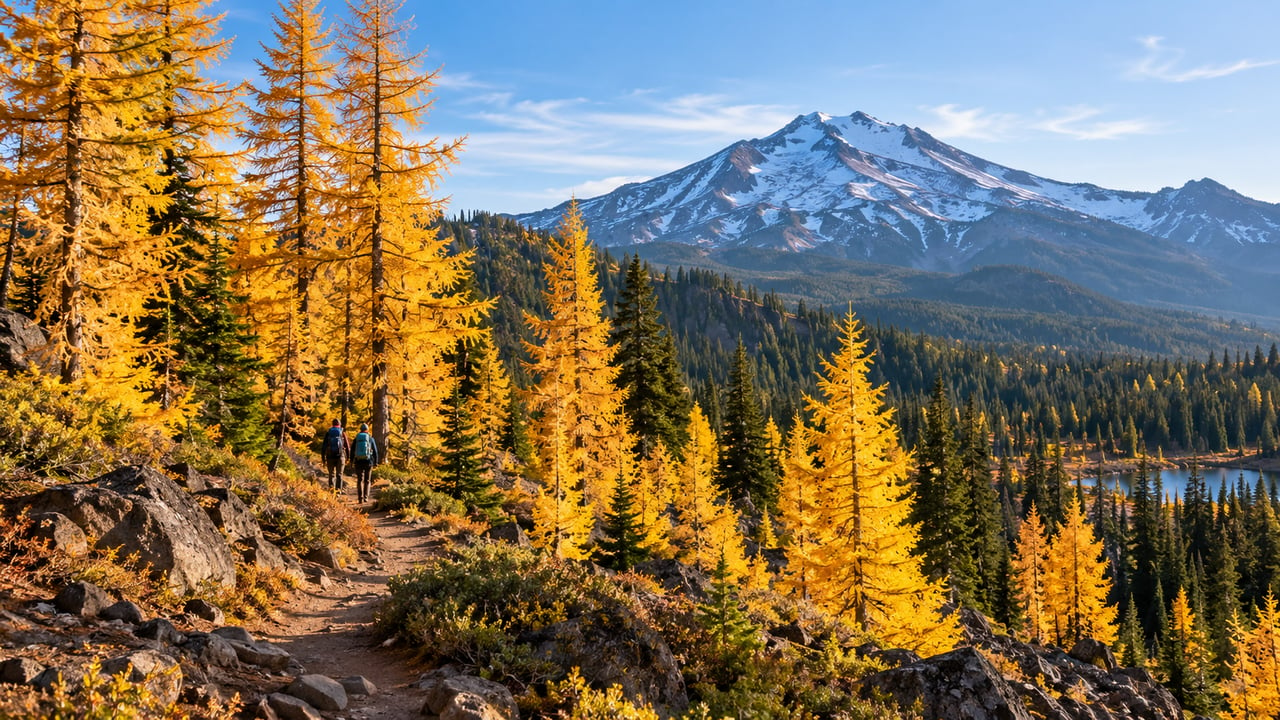
Summer gets the crowds. Fall gets the color. Here's where to find it in Central Oregon.
Whether we’re working with first-time home buyers, seasoned investors, new residents to Bend, or anyone else, we want to help them find their ideal properties.

Rachel Greenwald Rhoads
Shana Sellers
Bend Premier Real Estate
Address
550 NW Franklin Ave Ste 108
Bend OR 97703