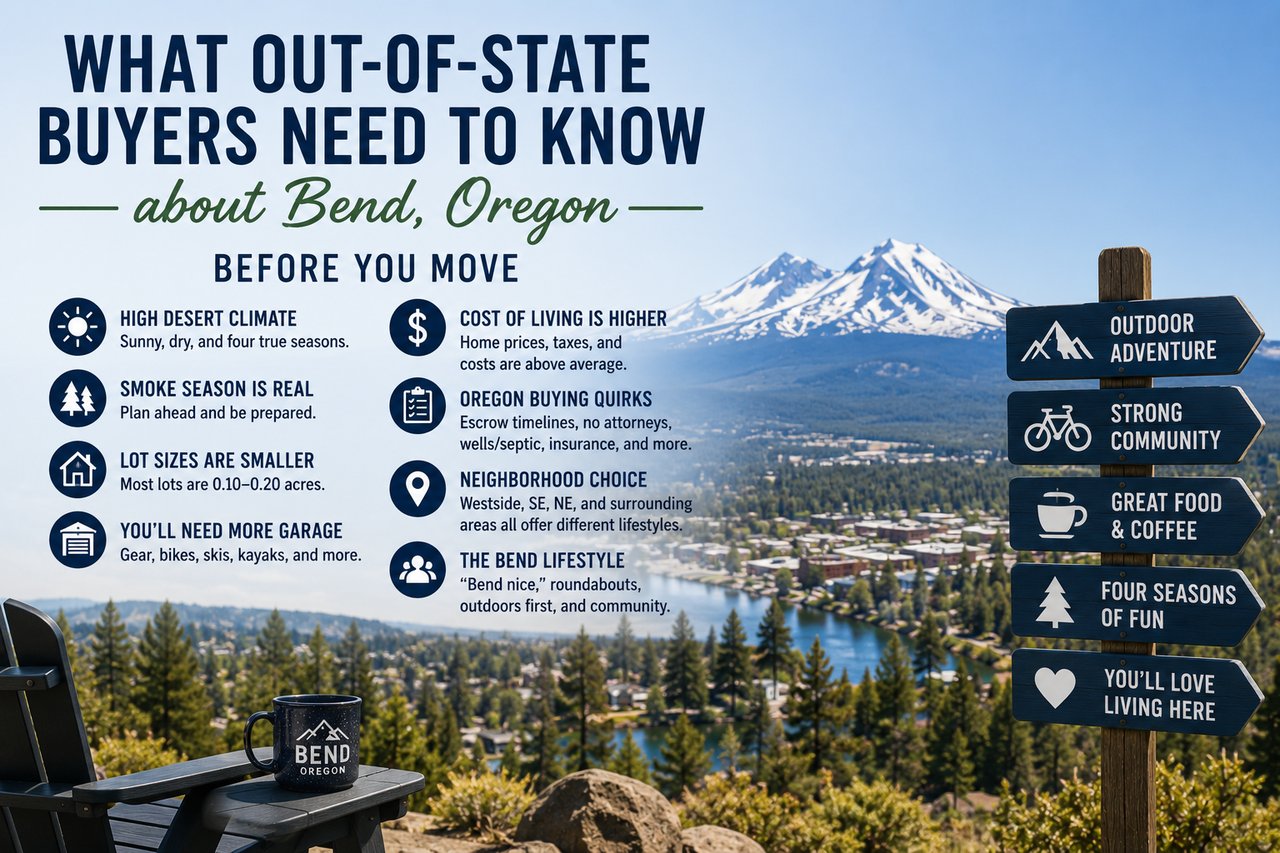
What Out-of-State Buyers Need to Know About Bend Before You Move
Bend Neighborhoods
Bend Neighborhoods
Buying in Bend
The number-one comment we hear from clients in their first 12 months in Bend isn't "we love it" (they do)... it's "I wish someone had told me this before we bought."
If you're considering a move from California, the Bay Area, Seattle, Denver, Texas, or anywhere else that's currently sending people to Central Oregon, here's what we wish every out-of-state buyer knew before they wrote an offer.
Bend isn't the Willamette Valley. It isn't Portland. It isn't Seattle.
It's high desert at 3,600 feet, on the dry side of the Cascade Range. That means:
If you're coming from a wet climate, the dryness is the biggest adjustment. If you're coming from a sunny climate, the winter is.
There is no way around this one.
Most summers in recent years have included two to six weeks of wildfire smoke that can range from "haze on the horizon" to "stay inside today." Smoke usually rolls in from California, the Willamette Valley, or eastern Oregon, not always from local fires.
What experienced locals do:
Smoke doesn't mean Bend isn't worth it, it means you go in with eyes open.
Especially if you're coming from a more rural state or from a mountain town with sprawling lots.
A typical home in a newer Bend subdivision sits on 0.10 to 0.20 acres. Newer construction in master-planned communities (Discovery West, Tetherow, Tree Farm) is denser by design — the tradeoff is HOA amenities, neighborhood walkability, and proximity to trails.
If a real yard, hobby farm, or chickens-and-bees lifestyle is your goal, you'll likely need to look:
This is a running joke among Bend Realtors that turns out not to be a joke.
A typical Bend household's gear inventory includes: mountain bikes (multiple), road bikes, gravel bikes, skis, snowboards, kayaks, paddleboards, climbing gear, camping gear, tools, dog stuff, and at least one truck or SUV.
Three-car garages are not a luxury. They're a baseline. Buyers regularly upsize their target garage after their first summer in town.
Bend is not cheap. It hasn't been for a while.
A few honest realities:
If you're moving from a high-tax-low-amenity place, Bend can feel like a win. If you're moving from a low-tax state, the math takes some adjusting to.
Out-of-state buyers regularly run into these:
Bend is not one market. It's many.
Westside Bend (Old Bend, Awbrey Butte, NorthWest Crossing, Shevlin Ridge, Tree Farm, Tetherow) tends to be more walkable, closer to trails and Cascade access, more established, and more expensive.
Southeast Bend is newer, more master-planned, and offers more home for the dollar with strong schools and easy access to the airport.
Northeast Bend is more affordable and growing rapidly, with newer construction.
Outside the city — Tumalo, Sisters, Redmond, Powell Butte, Sunriver, each has its own pace, price point, and lifestyle.
The right answer depends entirely on what you do with your time. A trail runner has different needs than a remote-working family with school-aged kids than a retired couple looking for a lock-and-leave.
The single best thing out-of-state buyers can do: come back in a different season.
If you fell in love with Bend in July, visit again in February. If you saw it covered in snow, come back in August. Bend in shoulder season is different than peak summer. Smoke season is different than ski season.
The relocators who thrive here are the ones who saw the whole year before they bought.
This is most of what we do. We've helped relocators from California, Washington, Colorado, Texas, Arizona, the Midwest, and the Northeast figure out:
If you're starting to think seriously about Bend, reach out and let's set up a real conversation. We'd rather help you make a smart decision than push you toward a fast one.
Bend Lifestyle
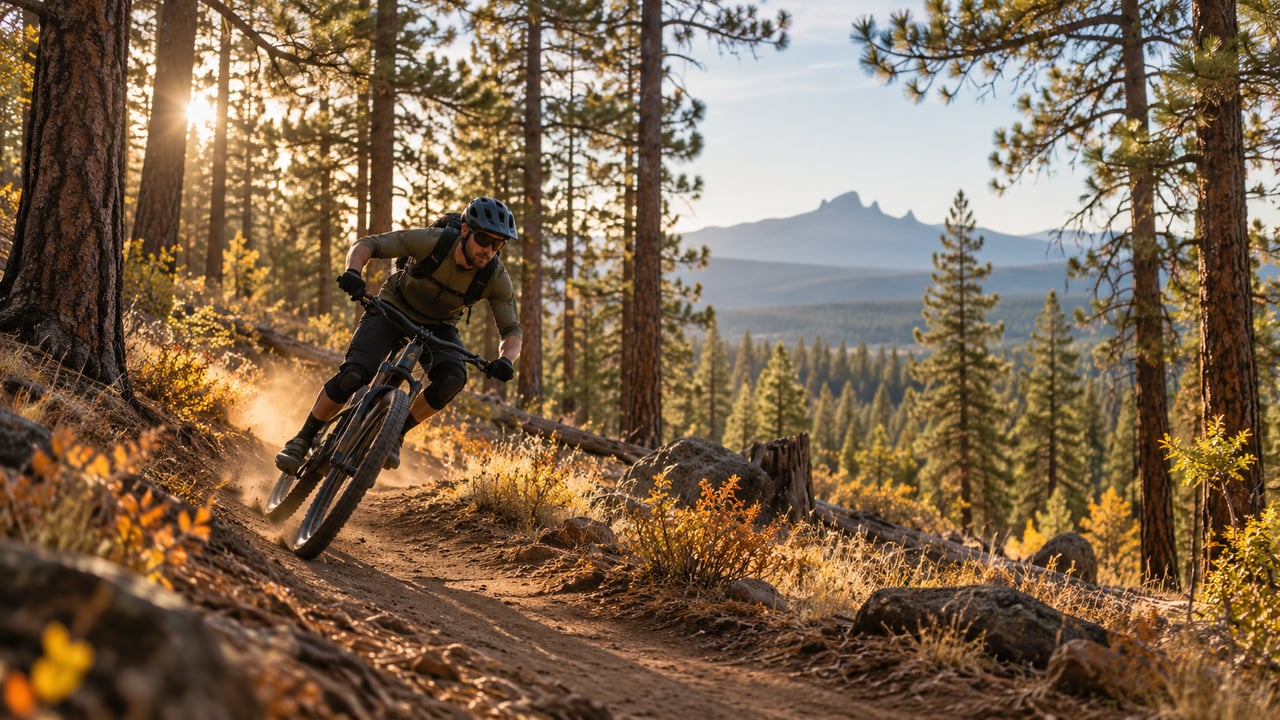
Mountain Biking in Bend: A Guide from Beginner to Advanced
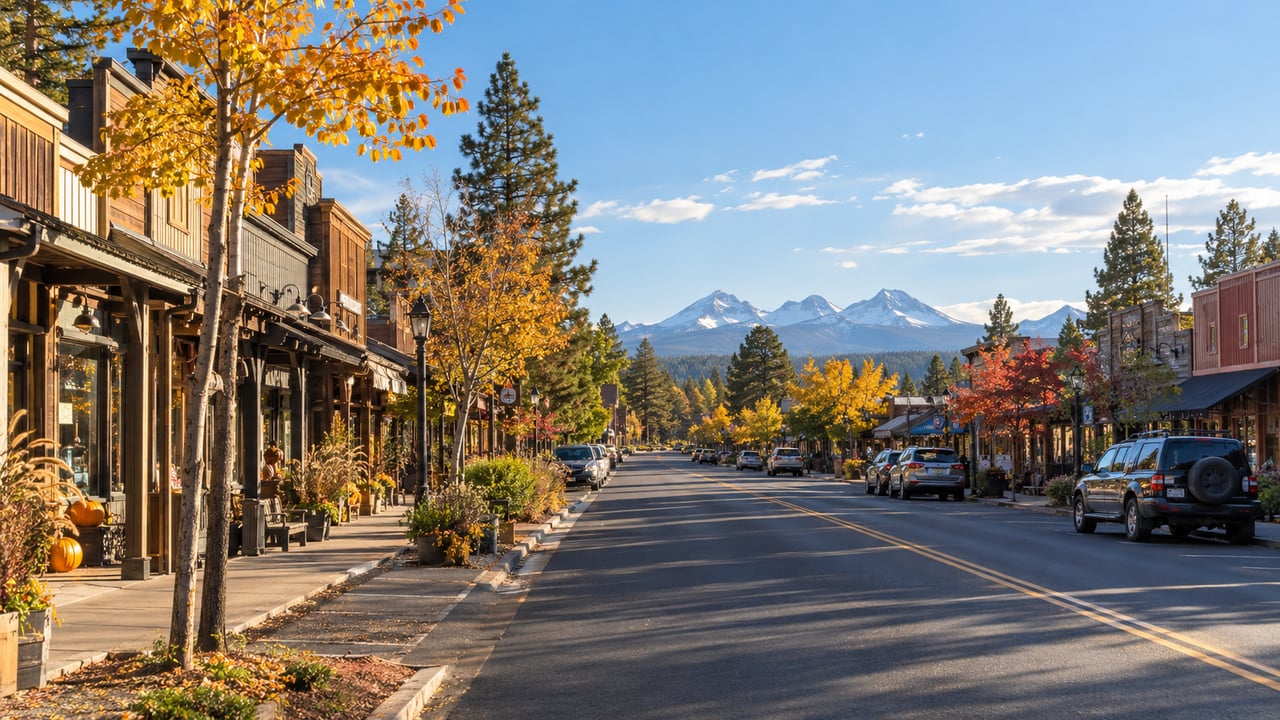
Sisters
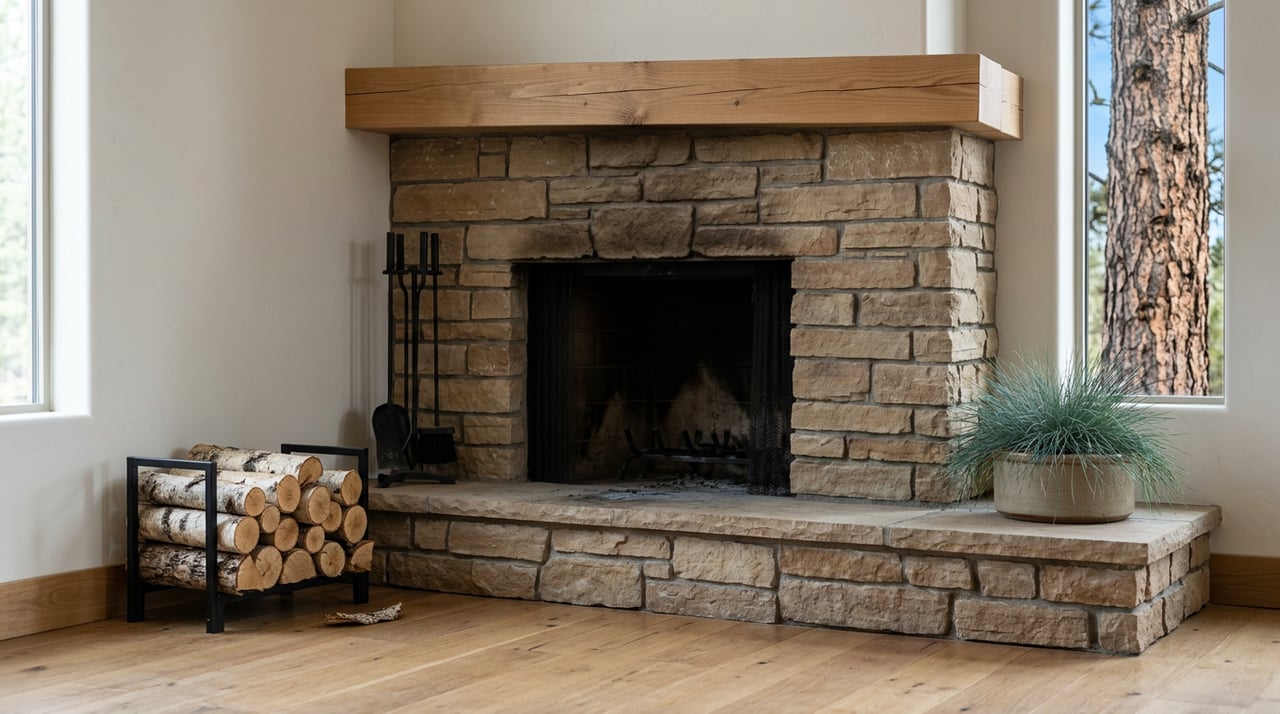
Twenty minutes from Bend, a world apart. Here's what people who love Sisters actually love about it.
Bend Lifestyle
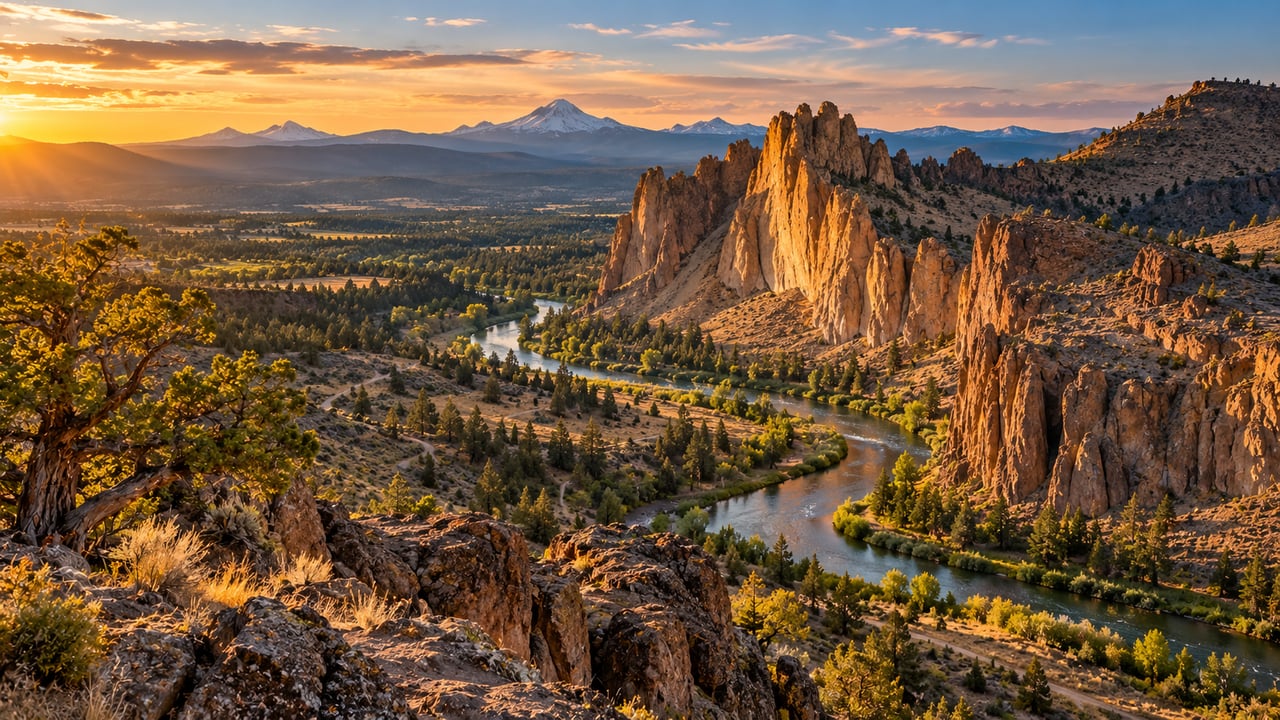
Every place has things you can do there. Bend has things you can only really do here.
Bend Neighborhoods
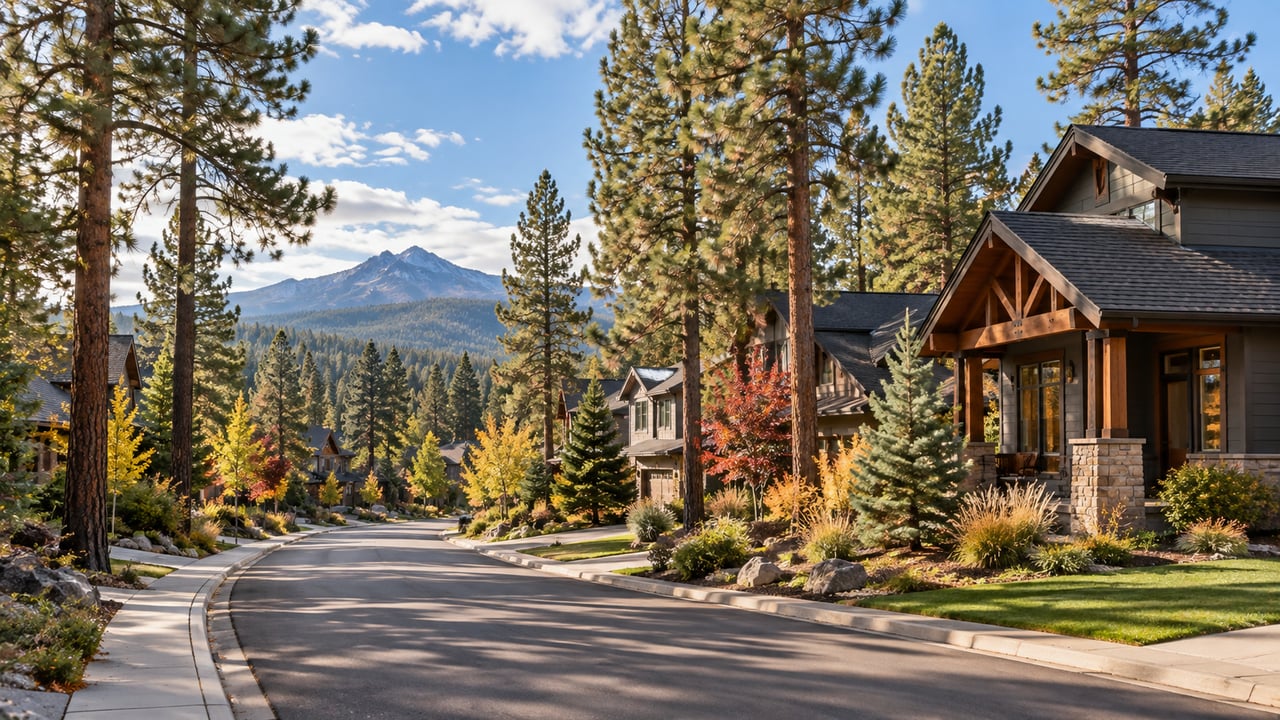
Everyone knows Northwest Crossing and Old Bend. Here are the neighborhoods that fly a little quieter and often deliver more.
Bend Lifestyle
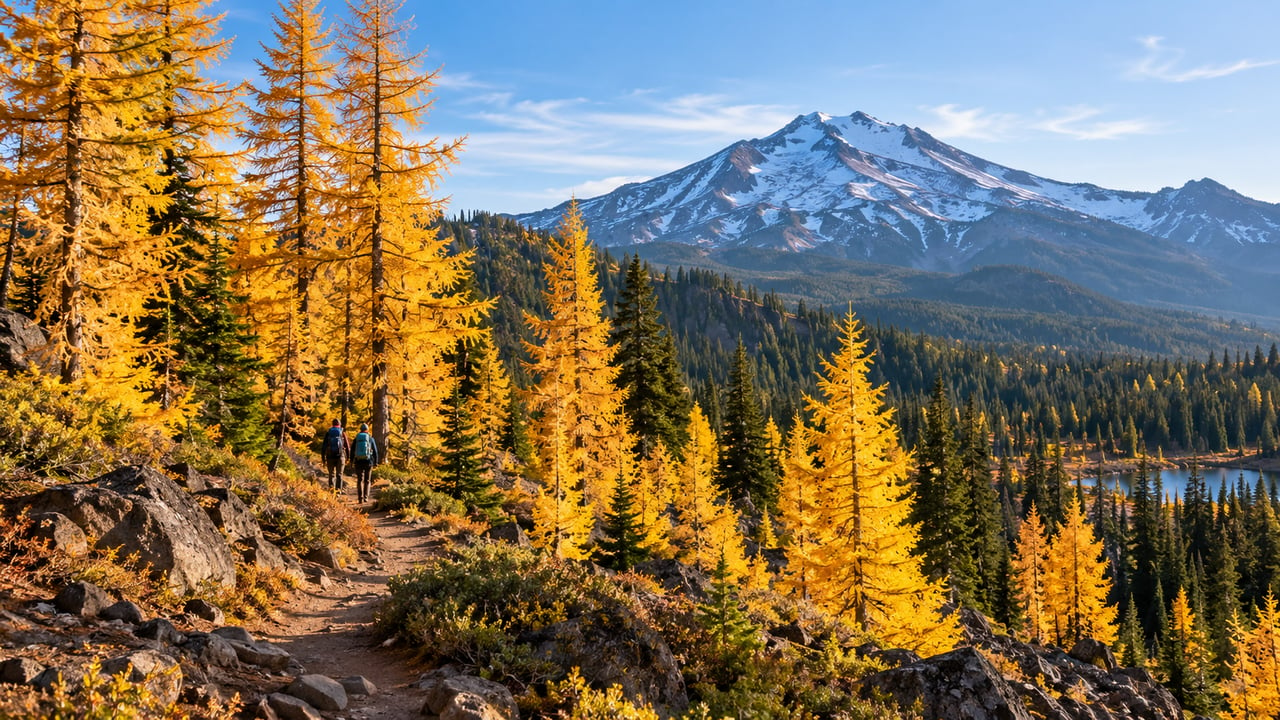
Summer gets the crowds. Fall gets the color. Here's where to find it in Central Oregon.
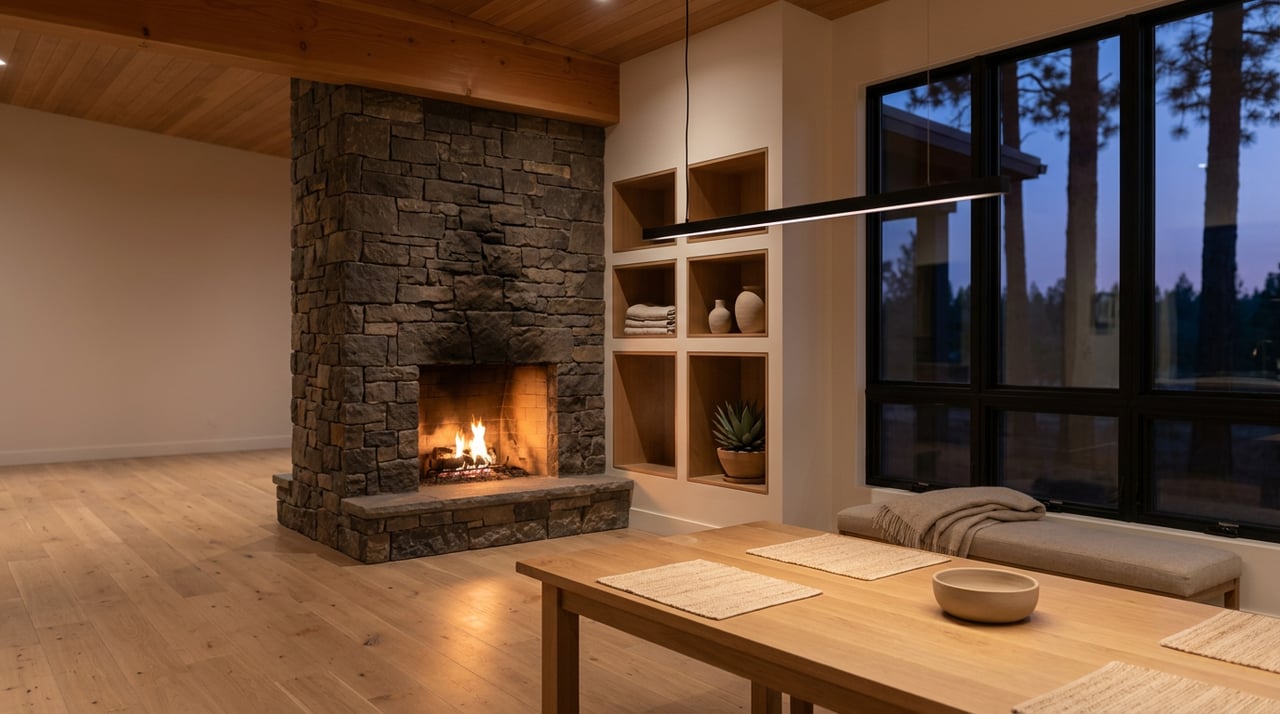
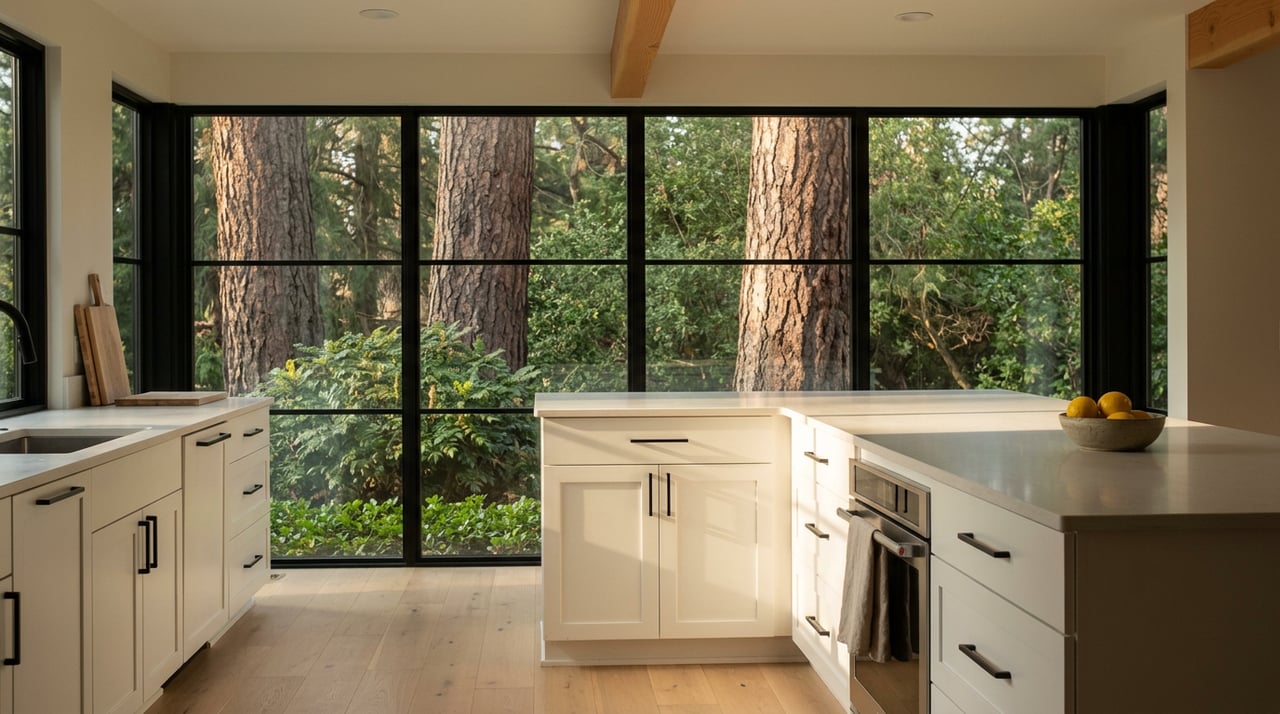
Whether we’re working with first-time home buyers, seasoned investors, new residents to Bend, or anyone else, we want to help them find their ideal properties.

Rachel Greenwald Rhoads
Shana Sellers
Bend Premier Real Estate
Address
550 NW Franklin Ave Ste 108
Bend OR 97703