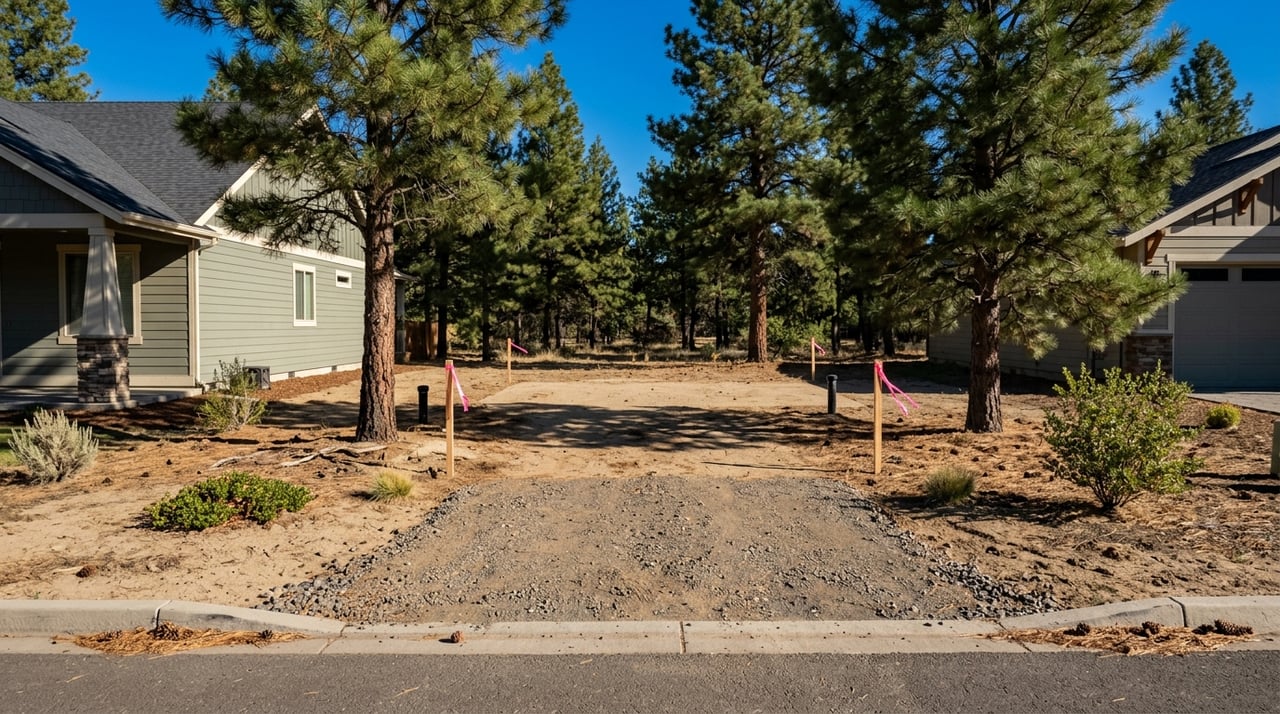
Evaluating A Westgate Homesite Before You Build In Bend
Thinking about buying a Westgate homesite before you build? A lot can look perfect at first glance, especially on Bend’s west side, where trees, open space, and trail access create a strong first impression. But on a parcel in or near Westgate, the real value often comes down to what you can confirm about slope, buffers, access, utilities, and buildability before you write an offer. Let’s dive in.
West-side Bend is not laid out like a simple suburban tract. City findings for the broader West Area describe a transition from denser development to lower-density open space near forest and park land, with buffers intended to support wildlife and wildfire resilience.
That matters because two homesites that seem similar online can perform very differently once you look at topography, no-build areas, and how a future home may actually sit on the land. Nearby findings also describe Westgate as a large-lot subdivision with conservation and no-build buffers along its western edge, plus landscape and building-material requirements tied to wildland-urban-interface concerns.
Before you focus on floor plans or finishes, study the land. The homesite will shape what you can build, how much site work may be needed, and how the property feels once the home is complete.
When you tour the parcel, identify the likely house pad and driveway route first. Then look at any recorded buffers, open-space edges, or adjacent undeveloped areas that may preserve or limit sightlines.
In this part of Bend, open space along the western edge is part of the planning framework. That means the better question is not just whether the lot has a view today, but whether that view is protected by the site plan or depends on nearby parcels remaining unchanged.
West-side Bend vegetation often includes junipers and ponderosa pines. Mature trees can create privacy right away and give a homesite a more established feel.
At the same time, planning in and around Westgate emphasizes wildfire mitigation. You will want to ask which trees are likely to stay, which may need to be removed, and how tree placement could affect defensible space around the future home.
Nearby west-side findings note slopes of 10 to 25 percent in parts of the area, plus a ravine with slopes greater than 25 percent. Even if your specific lot is gentler, this is a reminder that west-side parcels can vary quite a bit.
Slope affects more than appearance. It can influence driveway design, retaining needs, excavation costs, drainage planning, and where the house can realistically sit on the site.
If you are drawn to Westgate for the Bend lifestyle, outdoor access is probably high on your list. Shevlin Park is a major nearby amenity, and Bend Park and Recreation District says it covers nearly 1,000 acres.
The park includes the 6-mile Loop Trail, the 2.5-mile Tumalo Creek Trail, and a Mountain Bike Trail that connects to the Deschutes National Forest trail system and the Mrazek Trail. That said, not every nearby homesite offers the same type of access.
Do not assume proximity equals direct access. Some trail sections are on private property, and some areas restrict bikes and dogs, so it is smart to confirm whether a parcel offers direct trail access, shared access, or simply a short drive to a trailhead.
That distinction can shape your daily use of the property. If trail access is one of the reasons you are considering Westgate, verify it early.
One of the first due-diligence steps is confirming whether the parcel is governed by the City of Bend or Deschutes County. That matters because the permitting path and development standards may differ depending on jurisdiction.
Deschutes County says its base zones control allowed uses, minimum parcel size, and development standards. Bend says its development code governs zoning, land use, building heights, setbacks, and other planning standards.
Deschutes County’s DIAL system can show useful parcel details, including:
County tax maps can then help verify lot lines, dimensions, street names, and subdivision names. These basics are worth checking before you get attached to a specific plan for the property.
For a buildable lot, CC&Rs can be just as important as zoning. They may affect architectural approvals, landscaping, fencing, and use restrictions.
Deschutes County notes that title companies usually have ready-made copies of CC&Rs. If not, buyers can review the title report or county records.
In a community tied to conservation buffers and wildfire-conscious planning, subdivision rules may shape more than aesthetics. They can influence materials, landscape choices, and what you can place or build in relation to the lot’s edges.
This is one of the easiest places to avoid surprises. Review the documents before you finalize your vision for the site.
A beautiful homesite still needs practical infrastructure. Before you make an offer, confirm how sewer or septic, driveway access, and other utility needs will be handled.
If the lot is not on public sewer, Deschutes County requires an approved site evaluation before a new onsite or septic permit can be issued. For projects in Bend city limits, a signed City Authorization form is required so the city can determine whether sewer is physically or legally available.
If a driveway connects a county road to private property, a driveway access permit is required. That is a detail buyers sometimes miss until later in the process.
You should also confirm whether any part of the parcel is in a zoned floodplain. Deschutes County notes that properties in a zoned floodplain must carry flood insurance.
On a west-side Bend homesite, site work can be one of the biggest variables in your budget. This is where an early conversation with your builder and other professionals can save time and money.
A useful question is simple: what site work is likely, and what could change the budget? On lots in this area, that often includes grading, driveway placement, retaining walls, tree removal, utility trenching, and how the home layout works with existing slopes.
Bring these questions into the conversation before closing if possible:
Because west-side topography can change quickly from one parcel to the next, these questions matter more here than they might on a flatter in-town lot.
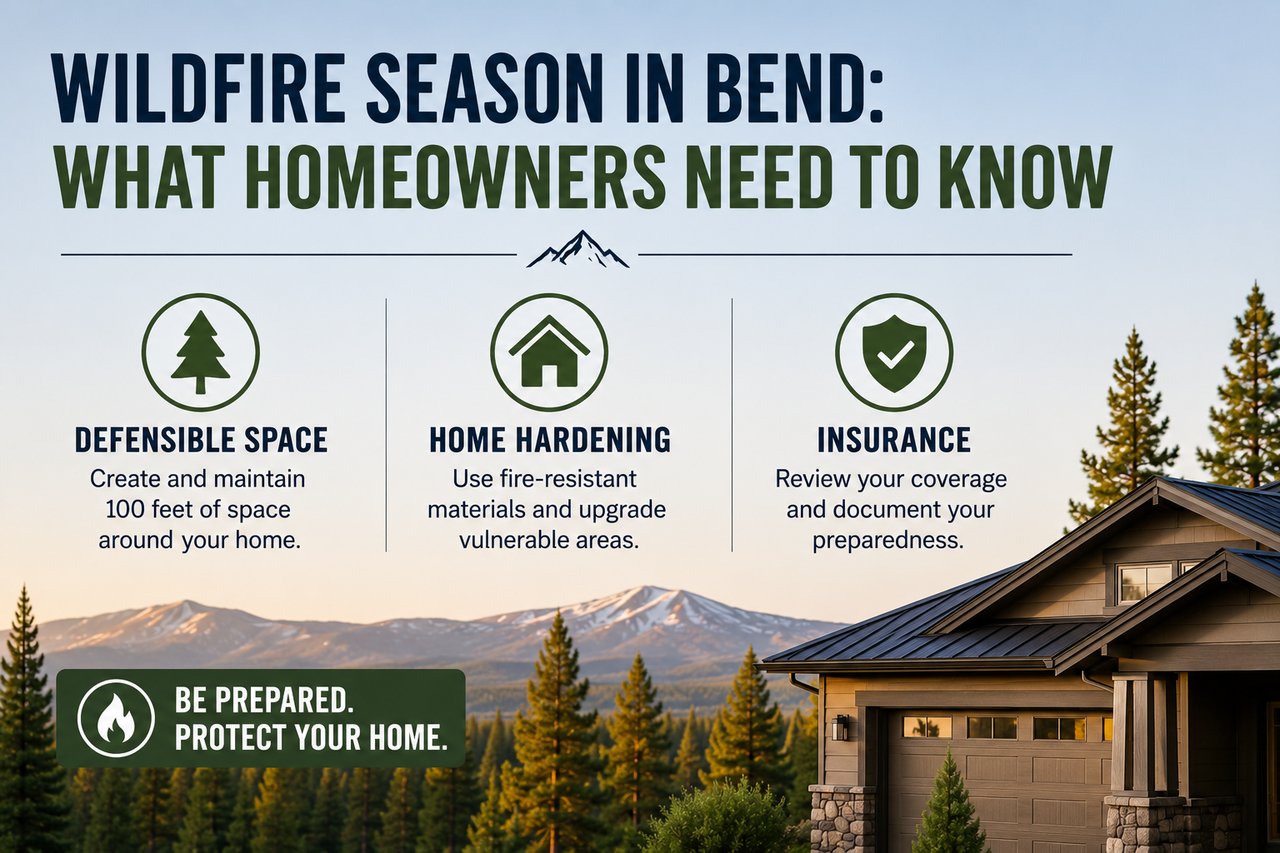
On a forest-edge or tree-rich homesite, wildfire readiness should be part of your early review. The Oregon State Fire Marshal says the first five feet around a home is the front line for defensible space.
The agency organizes defensible space into the 0 to 5 foot, 5 to 30 foot, and 30 to 100 plus foot zones. It also offers free defensible-space assessments.
A lot may feel special because of mature trees and natural surroundings. But you also want to know whether the parcel can support the defensible space your builder and landscape team may need.
That is especially important in an area where planning findings already tie development patterns and materials to wildland-urban-interface concerns. A homesite should work for both your design goals and long-term resilience.
If you want a simple way to evaluate a lot before you build, start here:
Buying land is different from buying a finished home. With a homesite in Westgate or the broader west-side Bend area, you are not just evaluating the parcel as it sits today. You are evaluating what it can become, what it may cost to get there, and which constraints come with the location.
That kind of review takes local context, careful document work, and a practical eye for how the lot will function once plans move from paper to reality. If you want help evaluating a parcel, comparing homesites, or understanding what to flag before you offer, Bend Lifestyle Realtors can help you move forward with clarity.
Bend Lifestyle
Bend Neighborhoods
Bend Real Estate
$750K
Bend Lifestyle

Bend Lifestyle

Lifestyle
Whether we’re working with first-time home buyers, seasoned investors, new residents to Bend, or anyone else, we want to help them find their ideal properties.

Rachel Greenwald Rhoads
Shana Sellers
Bend Premier Real Estate
Address
550 NW Franklin Ave Ste 108
Bend OR 97703