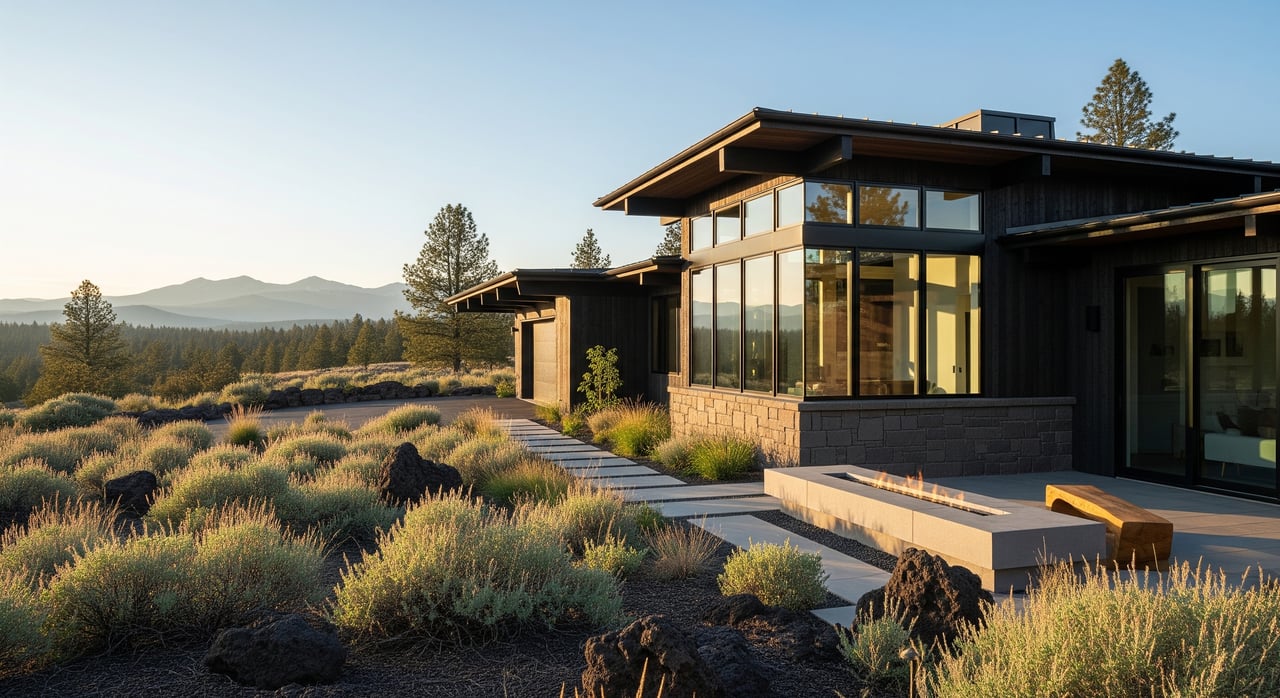
What To Know Before Buying In Petrosa, Bend
Thinking about buying in Petrosa and wondering what daily life really looks like once you move in? You are not alone. Master-planned communities feel polished in photos, but the details that matter most are on the ground: what is built now, how the HOA works, how close you are to parks and trails, and what rules shape your week. This guide walks you through those essentials so you can compare lots, plans, and phases with confidence. Let’s dive in.
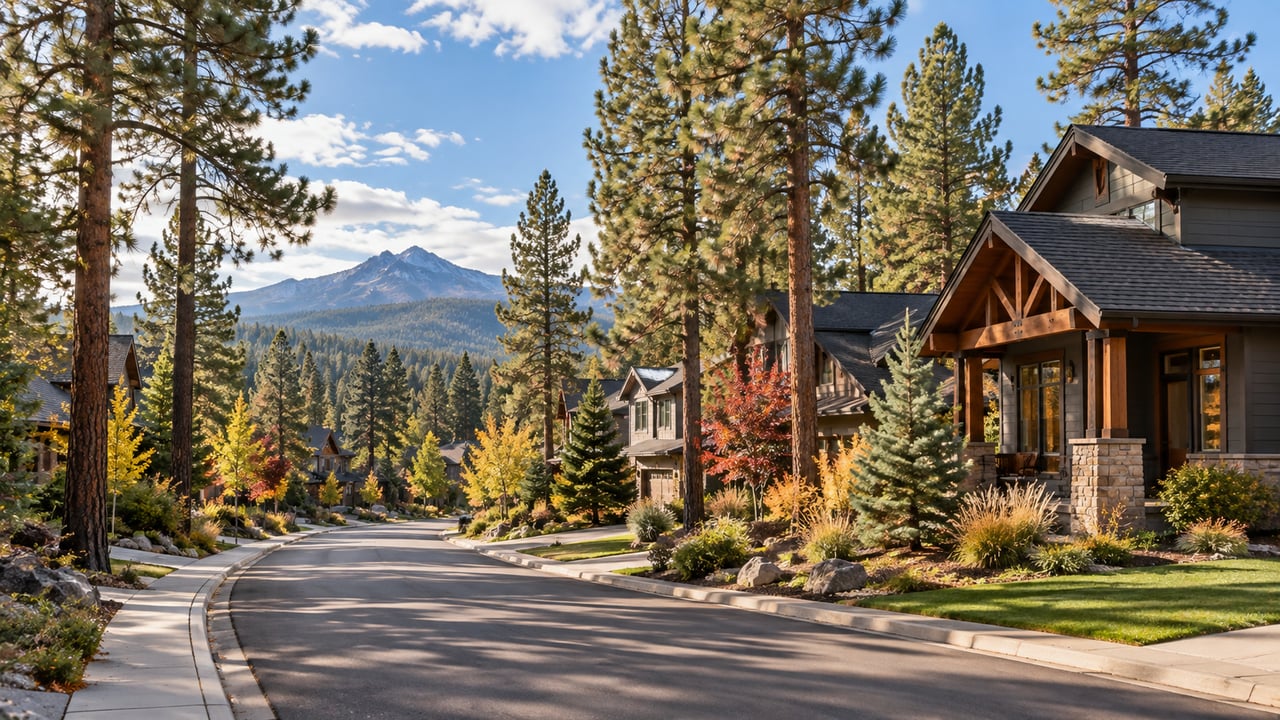
Petrosa sits in northeast Bend within a master-planned framework. That means homes, streets, trails, open space, and an amenity core are designed as a connected whole and built in phases over several years. For you, this usually means strong neighborhood cohesion, predictable design standards, and shared amenities. It can also mean periods of nearby construction and future phases that may change traffic patterns or views.
Before you get attached to a specific lot, focus on the current phase map, what is recorded on the final plat, and which amenities are open now versus planned. These pieces shape how you will use the neighborhood on day one.
In a master-planned community, each phase is approved and recorded separately. Ask for the most recent tentative and final plats to see lot sizes, easements, and pedestrian corridors. Confirm which streets, landscaping, and amenities are complete in the current phase and which are still under construction. This protects you from surprises like temporary detours or late-night construction near your future backyard.
Street design influences how you move. Curvilinear streets can slow traffic and create quieter pockets but may lengthen a walk to amenities. Gridded or connected streets can improve directness and bike routes. Lot orientation and setbacks also matter. South-facing yards can extend your outdoor season, and lots backing to open space may feel more private while still hosting trail activity nearby.
Pay attention to where the clubhouse and pool sit. Lots closest to social hubs are convenient for daily use but can pick up event or seasonal pool noise. Decide what fits your lifestyle.
Master-planned Bend neighborhoods like Petrosa often include:
These spaces become natural touchpoints. Expect more foot traffic near the clubhouse on warm days, and be ready for community programming or private reservations that bring people together.
Shared amenities come with rules so everyone can enjoy them. Ask whether access is included for all homeowners or limited to certain phases. Request the current rules for hours, seasonal closures, guest limits, and reservation policies. Clarify if there are separate amenity fees or if the HOA dues cover staffing and maintenance. Reading these policies up front helps you plan weekend routines and hosting.
Trails can shift how you run errands, walk the dog, or meet neighbors. Look for connections between phases and any links to regional paths. Trails that pass behind homes can increase interaction and casual visibility. If you prefer more seclusion, consider lots that do not back directly to a path. If you love morning runs or biking, aim for easy access points.
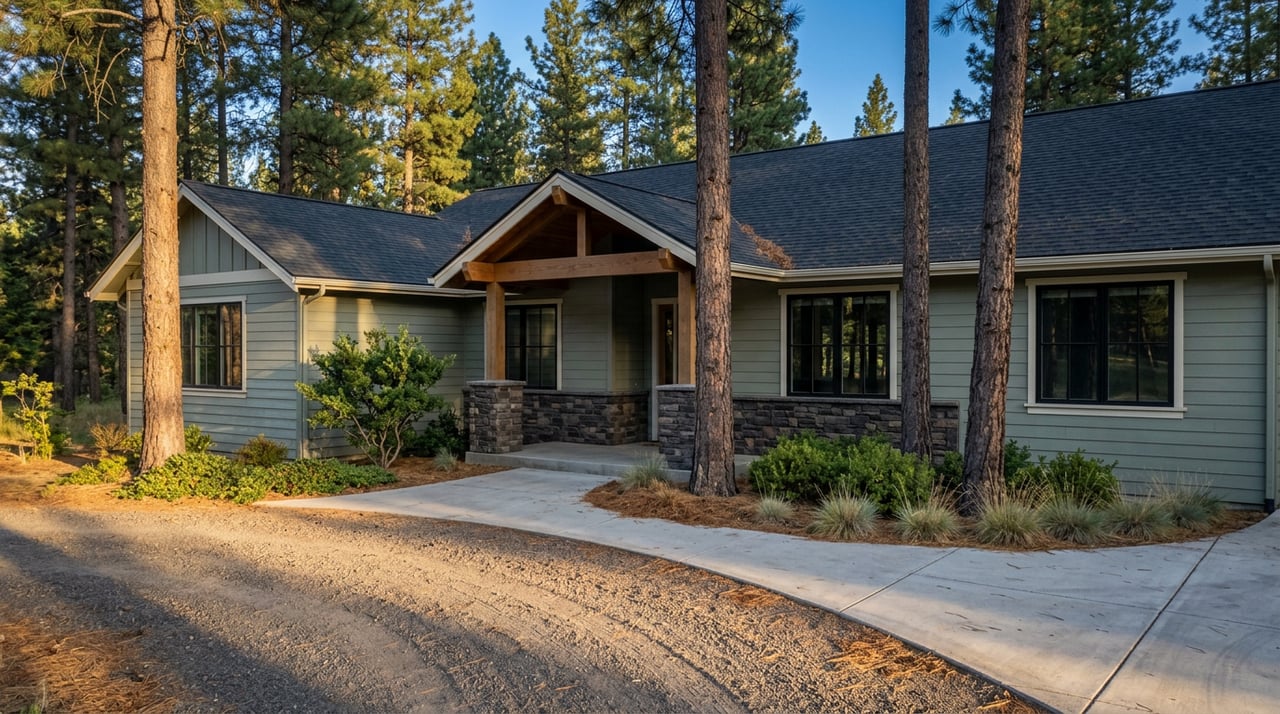
Expect a mix of detached single-family homes, plus possible patio or cottage-style options that offer smaller footprints and lower maintenance. Some phases may include attached homes or townhome-style layouts to broaden price points. Ask your agent to show you the range by phase so you can see how product types cluster on the site plan.
Bring a tape measure to visualize furniture placement and outdoor living. If you plan to add a hot tub or accessory structure later, confirm setback and design rules in the CC&Rs.
Builders in Central Oregon commonly offer energy-efficiency packages that include upgraded insulation, efficient windows, and modern heat pumps. Confirm what is standard and what is an upgrade. Wildfire risk is a regional reality. Ask about ignition-resistant materials, defensible-space standards, and any landscaping rules that support fuel reduction. For new homes, review the builder’s warranty carefully, including coverage periods for systems and structural components.
Before you write an offer, gather and review:
These documents reveal how the community operates, what expenses are coming, and any owner concerns.
New communities often start under developer control, then transition to a homeowner-elected board. Ask who controls the HOA today, when the transition is scheduled, and how maintenance responsibilities are handled during buildout. Developer-controlled associations sometimes defer certain costs, which can change budgets after turnover.
The public school district serving this area is Bend-La Pine Schools. Attendance boundaries can change as new neighborhoods are built. Always verify your specific address with the district before you rely on a school assignment. If you are considering private options, ask your agent for an overview of Bend’s offerings and commute patterns.
When you tour, map drive routes to your preferred grocery stores, pharmacies, and medical providers. St. Charles Health System facilities in Bend are a key resource for emergency and specialist care. If quick access to urgent care or a pharmacy matters to you, test those routes at your typical times of day.
Confirm your access to key Bend corridors and connections to US-20 and Highway 97. Ask about public transit options via the local provider and look for bike lanes or multi-use paths that link phases to nearby services. A short scouting drive or ride during rush periods will tell you more than a map alone.
Ask whether homes connect to City of Bend water and sewer, and confirm if any hook-up charges are outstanding. Identify the electric and natural gas providers that serve your lot. Internet infrastructure can vary by phase. Clarify whether fiber is available or if cable or wireless is the current option.
Central Oregon faces seasonal wildfire risk. Review local risk maps and ask about neighborhood-wide mitigation plans. Your insurer can quote coverage and any wildfire-related surcharges for the specific address. Also check any HOA landscaping rules that support defensible space.
Even if a property is not in a mapped floodplain, local drainage easements and stormwater features can limit where you fence or plant. Review the plat for easements, and confirm whether the lot sits near swales or detention areas. Ask if any special drainage requirements affect landscaping or patios.
Bend winters bring snow and ice. Ask whether the HOA handles sidewalk and street snow removal and what you must manage on your driveway and entry. Clarify how pool and amenity closures work in winter, and check roof snow load details in your builder paperwork.
Smaller footprints, connected trails, and shared amenities can make entry-level ownership feel rich in lifestyle value. Budget for HOA dues and confirm which maintenance items are your responsibility.
If you want neighborhood structure, trails, and an easy way to meet neighbors, a master-planned setting often fits. Confirm commute patterns, internet options, and school assignments before you pick a lot.
Patio or cottage-style homes can reduce upkeep while keeping you close to parks and paths. If you are investing, review rental and short-term rental rules, since restrictions can shape returns.
Potential red flags
Promising green lights
If Petrosa’s mix of amenities and master-planned structure fits your goals, line up the documents, walk the lots at different times of day, and pressure test your routes to work, school, and services. With a little homework on the HOA and buildout timelines, you can buy with eyes open and enjoy what the community was designed to offer.
Ready to compare lots, floor plans, and HOA details side by side? Connect with Bend Lifestyle Realtors for local guidance, private previews, and a clear due-diligence plan.

Bend Lifestyle
Mountain Biking in Bend: A Guide from Beginner to Advanced
Sisters
Twenty minutes from Bend, a world apart. Here's what people who love Sisters actually love about it.

Bend Lifestyle
Every place has things you can do there. Bend has things you can only really do here.
Bend Neighborhoods
Everyone knows Northwest Crossing and Old Bend. Here are the neighborhoods that fly a little quieter and often deliver more.

Bend Lifestyle
Summer gets the crowds. Fall gets the color. Here's where to find it in Central Oregon.
Whether we’re working with first-time home buyers, seasoned investors, new residents to Bend, or anyone else, we want to help them find their ideal properties.

Rachel Greenwald Rhoads
Shana Sellers
Bend Premier Real Estate
Address
550 NW Franklin Ave Ste 108
Bend OR 97703