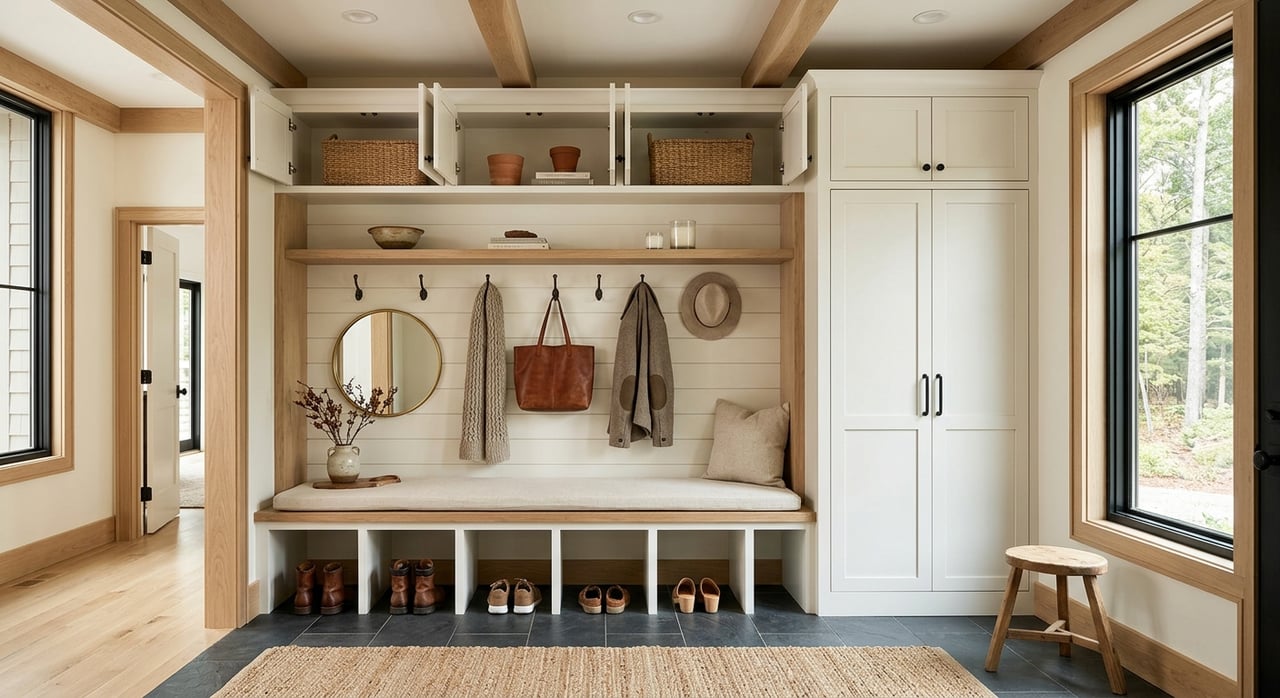
Buying A Second Home In Tetherow: Key Questions To Ask
Wondering whether a second home in Tetherow is a simple getaway purchase or a more layered ownership decision? That question matters more than most buyers expect. If you are considering Tetherow for seasonal use, rental income, or long-term lifestyle flexibility, the smartest move is to understand exactly what you are buying before you write an offer. Let’s dive in.
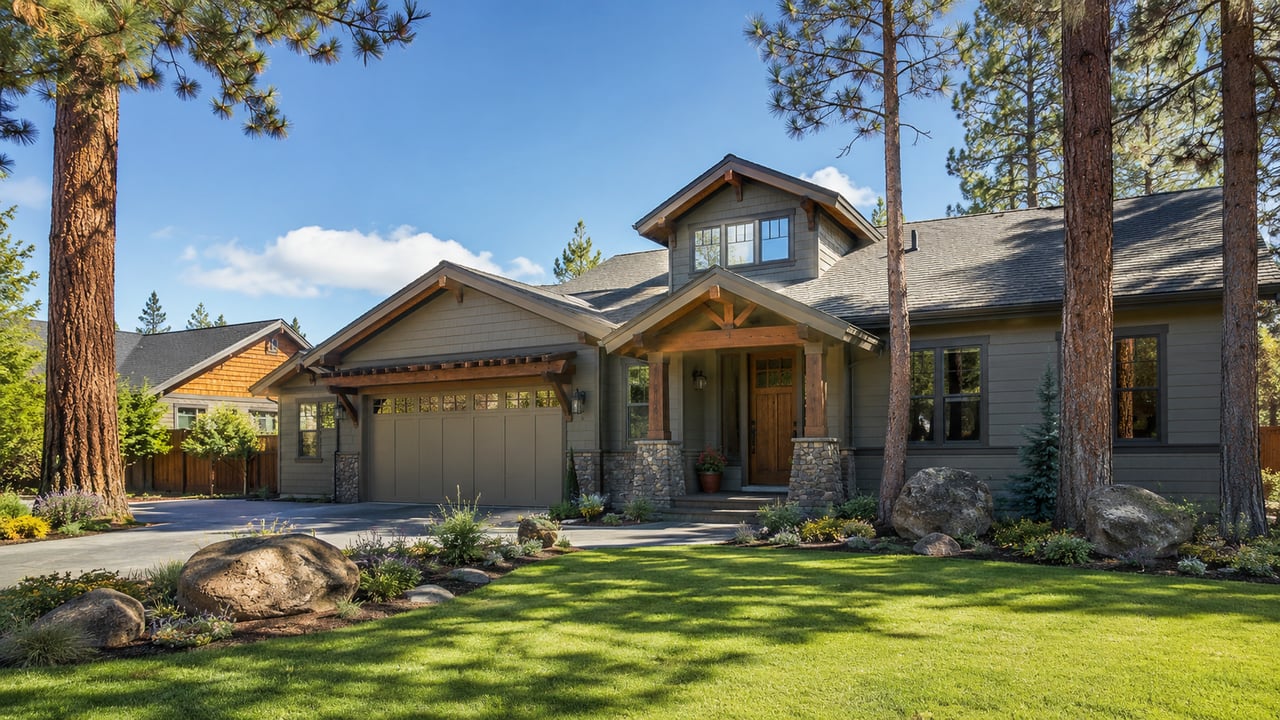
One of the most important things to know about Tetherow is that it is not a one-size-fits-all community. Tetherow presents several ownership paths, including finished or future homes, custom homesites, and vacation homes, with different neighborhoods offering different living styles and use patterns. According to Tetherow’s live page, some areas are designed around smaller-footprint living and walkability to resort amenities, while others focus more on larger custom-home settings.
That means your first question should be simple: What type of property am I actually buying? A second home in Tetherow could be a custom residence, a townhome-style property, a homesite for future construction, or a vacation-home product with separate rules. The Tetherow Owners Association also references Highlands Ridge townhomes and includes townhome design guidance, which reinforces that ownership structures can vary within the community.
If your goal is part personal use and part income, you will want to look closely at Tetherow’s vacation-home category. On its current live page, Tetherow states that vacation homes must be available for rent for at least 38 weeks per year. Those homes are described as ranging from about 1,000 to 3,300 square feet with two to five bedrooms, and Tetherow notes that rentals and maintenance are handled by staff when owners are away.
That setup may be attractive if you want a more hands-off ownership experience. But it also means you should be crystal clear on how much time you can personally use the property versus how much time must remain available for guests. If you are buying a second home for flexibility, that distinction is a big deal.
Many second-home buyers are drawn to Tetherow because of the lifestyle and amenities, but access is not always identical from one property to the next. The current Tetherow membership page says most memberships include preferred tee times, member events, special lodging rates, member-only lounges, pool and fitness access, food and beverage discounts, and more. At the same time, Tetherow’s pool page explains that some areas, including cabanas and the upper deck, are reserved for members and lodging guests.
In other words, you should never assume every home comes with the same benefits. Before you buy, confirm what membership is attached to the property, whether dues are separate from HOA costs, and what amenities require additional reservations or fees. An older Tetherow membership explainer suggests some membership structures may vary by ownership type, but because that source is from 2018, it is best treated as background and verified directly before purchase.
If rental income is part of your plan, do not stop at broad marketing language. You need to verify whether the specific property is approved for short-term use, long-term use, or both. The Tetherow Owners Association FAQ says rentals of more than 30 days are allowed in Tetherow and directs owners to rental rules for more detail.
That makes it especially important to separate community-wide rules from property-specific use rights. A vacation home may operate very differently from a custom home or townhome. If you are counting on rental income to offset carrying costs, this is one of the first due-diligence items to pin down.
One reason second-home buyers choose resort communities is convenience. Tetherow’s vacation rental page describes a managed setup that includes a 24-hour front desk, on-site maintenance, housekeeping, snow removal, and security patrols. It also mentions starter supplies, linens, washers and dryers, and an automatic departure clean.
That sounds appealing, but you should still confirm what applies to the exact property you are considering. Some services may be tied to vacation-home participation, while others may not apply in the same way to custom homesites or separate neighborhoods. For out-of-area owners, this is where the day-to-day ownership experience often becomes much clearer.
If you plan to rent the home on a short-term basis, you also need to understand local and state filing requirements. The City of Bend says owners need a Short Term Rental License and must remit room tax. According to the city’s room tax guidance, the current city tax rate is 10.4%, and returns are required monthly even when gross sales are zero.
The Oregon Department of Revenue guidance referenced on that same city page notes a 1.5% state transient lodging tax, and returns are also required even if no tax is collected. Bend also distinguishes between whole-home short-term rentals, owner-occupied room rentals, and infrequent whole-house rentals of no more than 30 days per year, with that last category being the only one the city says may be exempt from room tax. If rental income is part of your strategy, these details deserve early attention.
Tetherow ownership can include more than one layer of dues, and that is something many second-home buyers should review line by line. Current assessment information on the Tetherow Owners Association site shows a master quarterly assessment of $366 for all lots, plus separate neighborhood assessments that vary by area. The same page lists Highlands Ridge townhomes at $863 quarterly, Trailhead at $174 quarterly, and The Rim at $228 monthly.
Because the owners association also lists separate managers for several neighborhoods, it is reasonable to treat Tetherow as a community with neighborhood-specific governance and billing. You should ask for the exact dues tied to the address you are considering, along with any pending changes, special assessments, or neighborhood-level requirements. The real estate documents page also shows multiple sets of governing documents, which is another sign that rules are not uniform across every section.
A second home works best when the logistics are easy. Tetherow’s contact page notes that the resort is minutes from downtown Bend, the Deschutes National Forest, and Mt. Bachelor, about 30 minutes from Redmond Airport, and about 3 hours from Portland Airport. For many buyers, that access is part of the appeal.
Still, travel convenience is only part of the equation. If you will be away for long stretches, ask practical questions about owner access, guest procedures, fobs or gate systems, winter upkeep, and maintenance expectations. Those details can shape how effortless, or how hands-on, the home feels over time.
The big takeaway is simple: Tetherow is best understood as a resort community with multiple ownership models, not one uniform neighborhood. The right second-home purchase depends on how you want to use the property, what membership benefits matter to you, whether rental income is part of your plan, and how much day-to-day upkeep you want to manage yourself.
If you are weighing options in Tetherow, careful due diligence upfront can help you avoid surprises later. At Bend Lifestyle Realtors, we help you compare neighborhoods, review the details that affect real-world ownership, and make sure your purchase fits the way you actually want to live in Bend.
Buyer Tips
It's one of the biggest quiet forces shaping Bend's housing market. Here's what it is and why it matters to buyers.
Bend Home Prices
One of the most stressful moments in a purchase, explained calmly, before it happens to you.
Buying in Bend
The bidding-war frenzy has cooled, but the best homes still draw competition. Here's how to be the offer that wins.

Family
In one of the most dog-loving towns in the country, the trails are half the reason people (and their pups) never want to leave.
Bend Real Estate
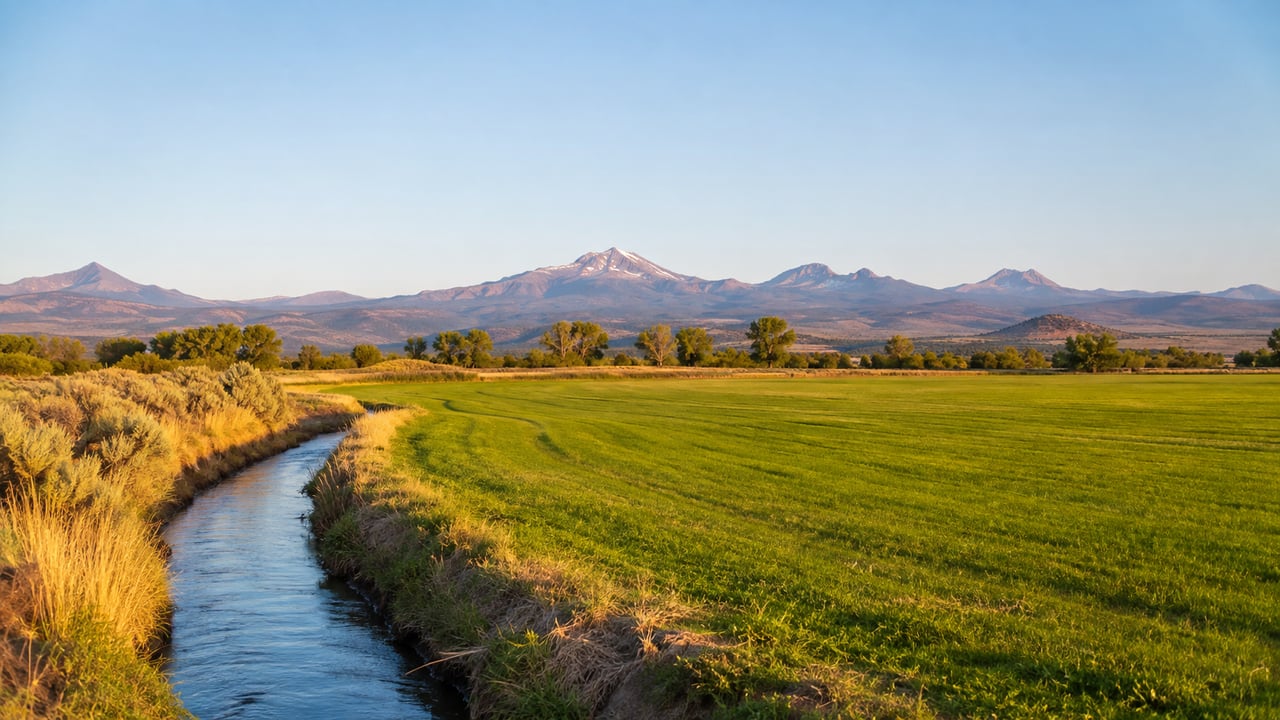
If you're buying land or an acreage property near Bend, water rights may matter as much as the house. Here's the plain-English version.
Bend Home Prices
Oregon's property tax system confuses almost every newcomer. Here is how it actually works in Deschutes County.
Whether we’re working with first-time home buyers, seasoned investors, new residents to Bend, or anyone else, we want to help them find their ideal properties.

Rachel Greenwald Rhoads
Shana Sellers
Bend Premier Real Estate
Address
550 NW Franklin Ave Ste 108
Bend OR 97703