Building Your Custom Home in Westgate Bend: Key Steps
Dreaming of a forested estate lot with instant trail access and room to spread out, but unsure how to navigate a true custom build? You are not alone. Building in Westgate is exciting, yet the details around lots, utilities, ARC review, and permitting can feel complex. This guide breaks the process into clear steps, shows you what to verify early, and helps you budget and plan with confidence. Let’s dive in.
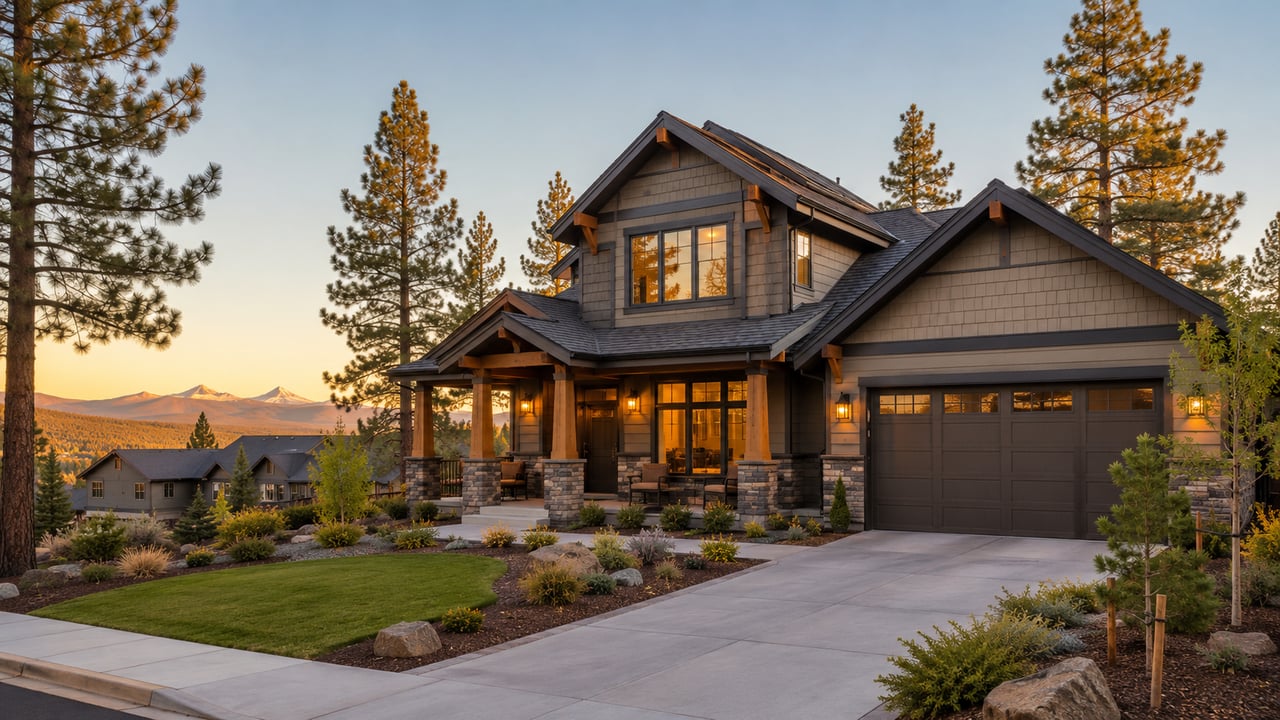
Westgate is an 85‑homesite community on roughly 307 acres with large, estate‑style lots that run about 2.5 to 5 acres. The neighborhood sits next to Shevlin Park, so trail access and natural open space influence where homes and outdoor living areas fit best. Westgate was reviewed at the county level, within the Westside Transect Zone, and lots are released after final plat recording. You can see the developer’s overview in the official Westgate brochure and find recorded community documents on the Westgate documents page.
Start with the recorded plat and Architectural Review Committee materials to understand the buildable area. Westgate’s Design Guidelines describe building envelopes, minimum setbacks, and homesite coverage rules that vary by lot. Published examples include a front setback near 40 feet, side setbacks near 30 feet, and some rear setbacks between 30 and 50 feet or more where open space is behind. Review the plat and ARC plan for your lot and cross‑check details in the Design Guidelines.
Some homesites include slope buffers, wildlife tracts, or conservation setbacks. These limits can affect where you place the house, driveway, or pools, and they can add design costs. The recorded plat and ARC materials identify these features, so verify them before you finalize your lot choice. The Design Guidelines outline how these areas are handled in design review.
Each Westgate homesite requires an individual septic system approved by Deschutes County. The developer has preliminary septic evaluations available upon request, which are essential for planning. Water service is provided by the City of Bend, but due to the elevation and topography, some lots may need a booster pump to maintain good pressure. Ask for the county’s preliminary septic report for your lot and confirm water pressure early, as noted in the Design Guidelines.
Expect Public Utility Easements along property lines where permanent structures are not allowed. Large lots often require careful routing of conduit, meter placement, and sometimes added equipment. Westgate materials name PacifiCorp for power, Cascade Natural Gas, BendBroadband for phone and cable, City of Bend for water, and onsite septic. Confirm provider contact details and potential equipment locations for your specific lot in the Design Guidelines.
Read the recorded CC&Rs and HOA bylaws to understand assessments, common‑area and trail maintenance, and enforcement processes. Ask for current fee levels and whether road maintenance or other services are included. You can review the governing documents, including CC&Rs, on the Westgate documents page and in the recorded CC&Rs PDF.
Westgate uses a formal ARC process that includes a pre‑design site visit, a schematic submission, and a final submission before permits and construction. Each step has a checklist, meeting schedule, and documentation requirements. Build these steps into your calendar to avoid delays. The full process is detailed in the Design Guidelines.
Budget for ARC costs in addition to permits. Published examples show a non‑refundable schematic review fee around 5,600 dollars and a refundable construction deposit that scales by square footage. Fee timing and application deadlines apply, so align your architect’s schedule with the ARC calendar.
The guidelines set standards for construction management, including material storage, dust control, work hours, insurance, and site restoration. Violations may result in fines. These requirements add cost and coordination, so confirm that your builder will comply and budget accordingly.
Smart buyers line up an experienced bench before writing an offer:
Power may require additional transformers for proper voltage on some lots. Ordering and installation can take 4 to 6 weeks, and 6 to 8 weeks during peak season, which affects trenching, inspections, and scheduling. Factor possible line extensions, meter placement, and conduit runs into your budget. These logistics and timelines are described in the Design Guidelines.
Plan for design, percolation verification, tank and drain‑field installation, permits, and contingency for engineered alternatives if soils require it. A broad national range for standard new septic systems runs from about 4,000 to over 20,000 dollars, with alternative systems higher depending on site and soil. Use the lot’s preliminary county evaluation and a local septic designer to refine your estimate.
System Development Charges and permit fees can be a significant line item. Local builder writeups suggest a wide range that can reach tens of thousands of dollars, sometimes around 20,000 to 50,000 dollars depending on your project and policy at the time. Confirm current fees directly with the City of Bend or Deschutes County. You can explore the City’s permitting resources on the developers and contractors page and see one local builder’s cost overview for Bend as a rough context check.
Recent local market summaries in Bend cite custom home build costs around 250 to 450 dollars per square foot or more, depending on design complexity, finishes, and site work. Treat this as a starting point only. Get at least two detailed builder estimates that separate grading, retaining, driveway, utilities, septic, and landscape or defensible‑space work so you can compare apples to apples.
A realistic schedule helps you make strong decisions and avoid costly rushes:
Build in contingency for materials, seasonal conditions, and utility scheduling. Align your architect’s and builder’s calendars with ARC meeting dates to keep things moving.
Well‑structured contracts reduce risk. Ask your agent to secure clear windows for septic and percolation confirmation, geotechnical review, ARC approval, utility capacity verification, and final plat recording if applicable. If you plan to finance construction, coordinate lender timelines with ARC and permitting so you are not rushed into breaking ground before you are ready.
An agent who knows Westgate can help you target lots with the right views, buildable envelopes, and fewer expensive surprises like steep slopes or hard rock. They can structure offers with protective contingencies, monitor fees and permit timelines, and coordinate realistic milestones with your builder. When utility equipment or ARC schedules shift, a hands‑on advocate can keep you on track and protect your budget.
Ready to explore Westgate with a clear plan and a local team by your side? Connect with Bend Lifestyle Realtors to map your lot options, due diligence, and build timeline.

Buyer Tips
It's one of the biggest quiet forces shaping Bend's housing market. Here's what it is and why it matters to buyers.
Bend Home Prices
One of the most stressful moments in a purchase, explained calmly, before it happens to you.
Buying in Bend
The bidding-war frenzy has cooled, but the best homes still draw competition. Here's how to be the offer that wins.

Family
In one of the most dog-loving towns in the country, the trails are half the reason people (and their pups) never want to leave.

Bend Real Estate
If you're buying land or an acreage property near Bend, water rights may matter as much as the house. Here's the plain-English version.
Bend Home Prices
Oregon's property tax system confuses almost every newcomer. Here is how it actually works in Deschutes County.

Buying in Bend
There is a reason so many Bend second-home searches start in July. Here is how to think it through.
Whether we’re working with first-time home buyers, seasoned investors, new residents to Bend, or anyone else, we want to help them find their ideal properties.

Rachel Greenwald Rhoads
Shana Sellers
Bend Premier Real Estate
Address
550 NW Franklin Ave Ste 108
Bend OR 97703