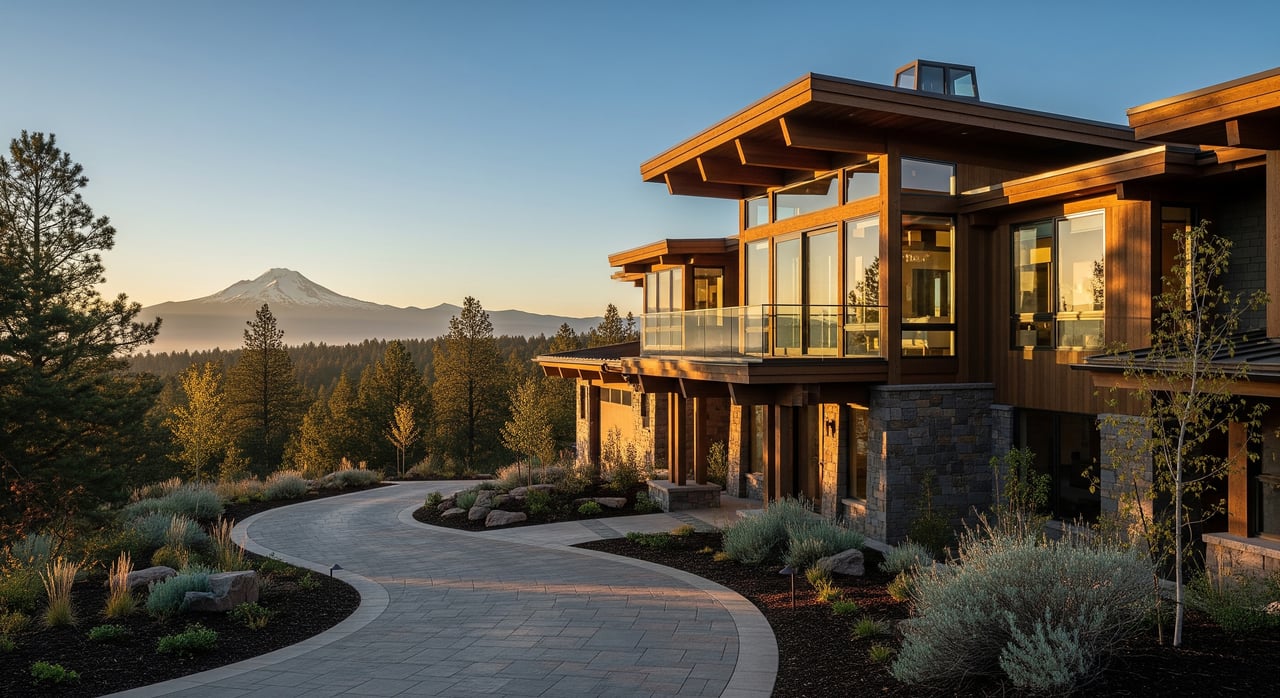
Understanding Closing Costs in Deschutes County
Staring at a long list of closing fees and wondering what they all mean in Summit West and across Bend? You are not alone. Closing costs can feel confusing, but once you understand how Oregon’s escrow system works and which items you can negotiate, you can plan your budget with confidence. This guide breaks it down for buyers and sellers in Deschutes County so you know what to expect and when. Let’s dive in.
In Oregon, most transactions use an escrow holder, often a title company that also provides escrow services. The escrow team handles funds, payoffs, closing statements, and recording with the county. They coordinate with your lender, prepare documents, and disburse money when everything is signed and recorded.
If you are financing, federal rules shape the timeline and your final figures. Your lender provides a Loan Estimate early and a Closing Disclosure at least three business days before you sign your loan. Those documents spell out most costs and your “cash to close,” so review them carefully and ask questions right away.
Who pays which fees is partly custom and partly negotiation. Oregon law sets things like recording charges, but items such as the owner’s title policy, escrow fee split, and certain prorations depend on your purchase contract and local practice. Always confirm assignments on the final closing statement.
If you have a mortgage, expect lender-originated fees. Common items include an origination, underwriting, and processing fee. You will likely see an appraisal fee and a credit report fee. Some lender charges can be shopped or negotiated, while pass-through items like the appraisal are not.
Most lenders require a lender’s title insurance policy. There may also be an owner’s title policy, and who pays for it depends on local custom and your contract. You will also see a title search and an escrow or closing fee from the title/escrow company. You can compare title and escrow fee quotes early to understand options.
Your deed and mortgage are recorded with Deschutes County. Recording fees are fixed-dollar amounts per document and are generally modest compared to the price of the home. These charges are not negotiable.
You will prepay certain items so your new home is properly set up from day one. Expect prepaid interest from funding to your first payment date, your first year of homeowner’s insurance or an initial deposit, and prorated property taxes. If your lender requires a tax and insurance escrow account, you will fund a starting balance at closing.
If the home is in an HOA, you may see transfer or processing fees and charges for a resale disclosure packet. Inspection fees, such as general home, pest, well, or septic, are often paid during the contingency period and may not appear on the final closing statement. Other line items can include flood certification, a survey if required, and any upfront mortgage insurance premium.
A common rule of thumb is 2% to 5% of the purchase price in closing costs, not including your down payment. The lower end fits cash buyers or low-fee loans. The higher end reflects typical lender charges, prepaid taxes and insurance, and title and escrow.
You can request seller credits toward your closing costs in the offer. Some loan programs limit how much, so confirm with your lender. Shop lenders and request itemized fees to compare. You can also compare quotes from title and escrow providers. Your Closing Disclosure will arrive at least three business days before you sign, giving you time to review.
For most sellers, commission is the largest single cost. While rates vary by market and listing, total commission commonly falls in the mid-single digits as a percentage of the sale price. The specific rate and structure are negotiated in your listing agreement.
Local custom in many Western markets has the seller paying the owner’s title insurance policy, but practice varies by area and by contract. Escrow or closing fees can be split or assigned to either side. You will also see prorations for property taxes, HOA dues, and utilities so each party pays only for the period they own the home.
Any mortgage payoffs and lien releases are deducted from your proceeds. Recording and payoff demand fees may apply. If you agreed to repairs or credits after inspections, those also reduce your net.
Oregon does not have a statewide real estate transfer tax. Local transfer taxes are uncommon, but you should always confirm city or county requirements in Deschutes County during your transaction.
When you include commission plus standard closing fees and prorations, seller costs commonly total about 7% to 10% of the sale price in many markets. Your final number depends on your negotiated commission, whether you pay for the owner’s title policy, and any credits or repairs.
Oregon property taxes are generally billed in two installments, commonly due around mid-November and mid-May. At closing, taxes are prorated so each party pays for their time of ownership. If you already paid an installment that covers dates after closing, you will be credited.
Deschutes County charges fixed recording fees per document and per page. The deed and mortgage documents are the usual items recorded at closing. Check the county’s current fee schedule during your transaction to confirm exact amounts.
Many properties in Summit West are within HOA communities. Most HOAs charge a transfer fee and require a resale disclosure packet from the management company. Your contract should state who pays these charges, and amounts can range from modest flat fees to several hundred dollars.
Much of Bend is served by municipal water and sewer, but outlying properties may have private wells and septic systems. If a property uses well or septic, inspections, permits, or transfer requirements can add time and fees to your closing. Build those steps into your timeline early.
Central Oregon’s wildfire season can affect insurance costs and timing. Lenders require homeowner’s insurance in place before funding. Get quotes early, especially if the home is in a higher-risk area, so your prepaid premium and any underwriting requirements do not delay closing.
On a $600,000 purchase, a buyer might expect about $12,000 to $30,000 in closing costs, depending on loan type, prepaids, and title or escrow fees. On a $600,000 sale, a 5.5% total commission would be $33,000, with additional seller costs for items like owner’s title insurance if customary, escrow fees, prorations, and any credits. Actual amounts vary by contract terms, market conditions, and provider schedules.
Buying or selling in Summit West should feel exciting, not overwhelming. If you want clear estimates tailored to your home and a plan that fits your timeline, reach out to the two-broker team that knows West-side Bend inside and out. Connect with Bend Lifestyle Realtors to get local guidance, precise cost breakdowns, and a smooth path to the finish line.

Bend Lifestyle
Mountain Biking in Bend: A Guide from Beginner to Advanced

Sisters
Twenty minutes from Bend, a world apart. Here's what people who love Sisters actually love about it.
Whether we’re working with first-time home buyers, seasoned investors, new residents to Bend, or anyone else, we want to help them find their ideal properties.

Rachel Greenwald Rhoads
Shana Sellers
Bend Premier Real Estate
Address
550 NW Franklin Ave Ste 108
Bend OR 97703