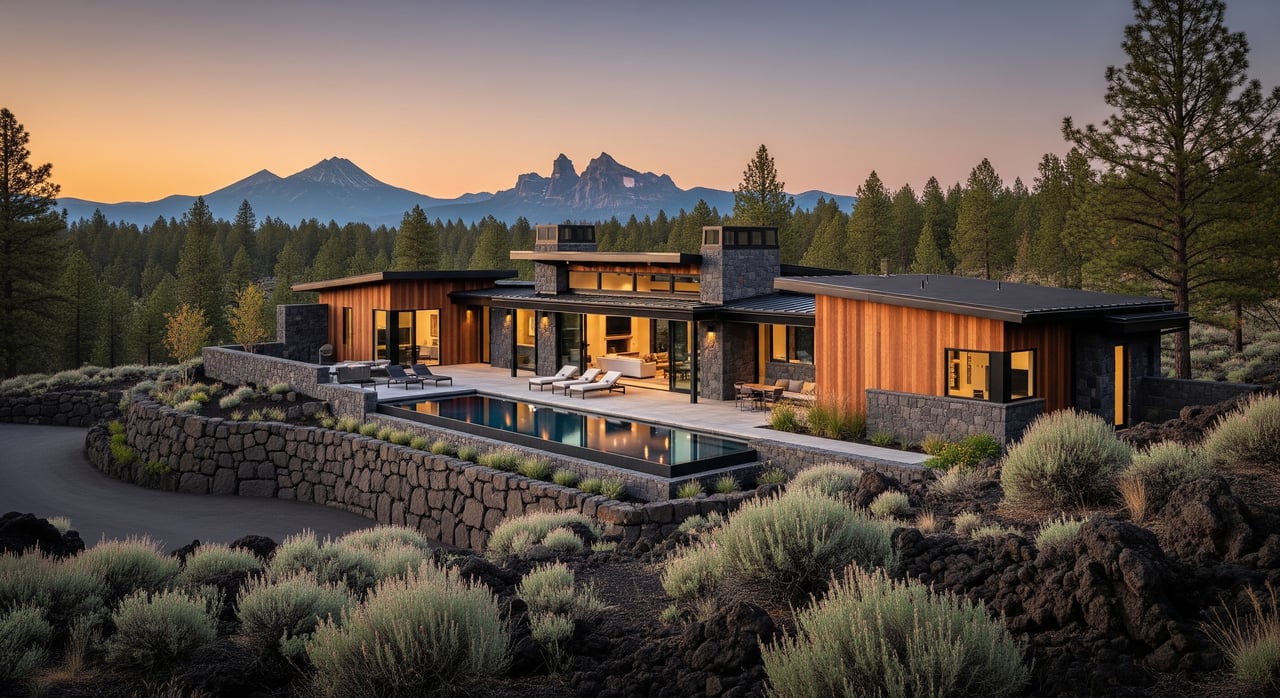
Is Hidden Hills The Right Bend Neighborhood For You?
Wondering if Hidden Hills fits your Bend lifestyle? If you want newer homes, sidewalks, and easy access to parks and city routes, this southeast Bend neighborhood often rises to the top of the list. At the same time, you may be weighing yard size, HOA rules, and commute times. This guide breaks down the homes, lots, CC&Rs, parks, and everyday rhythm so you can make a confident decision. Let’s dive in.
Hidden Hills sits on Bend’s expanding suburban edge in the southeast growth area. You will see planned streets, sidewalks, and bike-friendly connections that make newer communities in this part of Bend popular. Many families appreciate the quick access to major arterials that lead to downtown and the US-97 and Highway 20 corridors.
Commute times to downtown from southeast Bend generally range from 10 to 25 minutes depending on your exact address and time of day. Bicycle and pedestrian connectivity varies by subdivision, though newer areas often include multi-use paths.
Most newer subdivisions inside city limits are on City of Bend water and sewer. It is important to verify sewer versus septic by parcel through public records. Internet and utility providers can vary by street, including whether fiber is available. Always confirm the services you need before you commit.
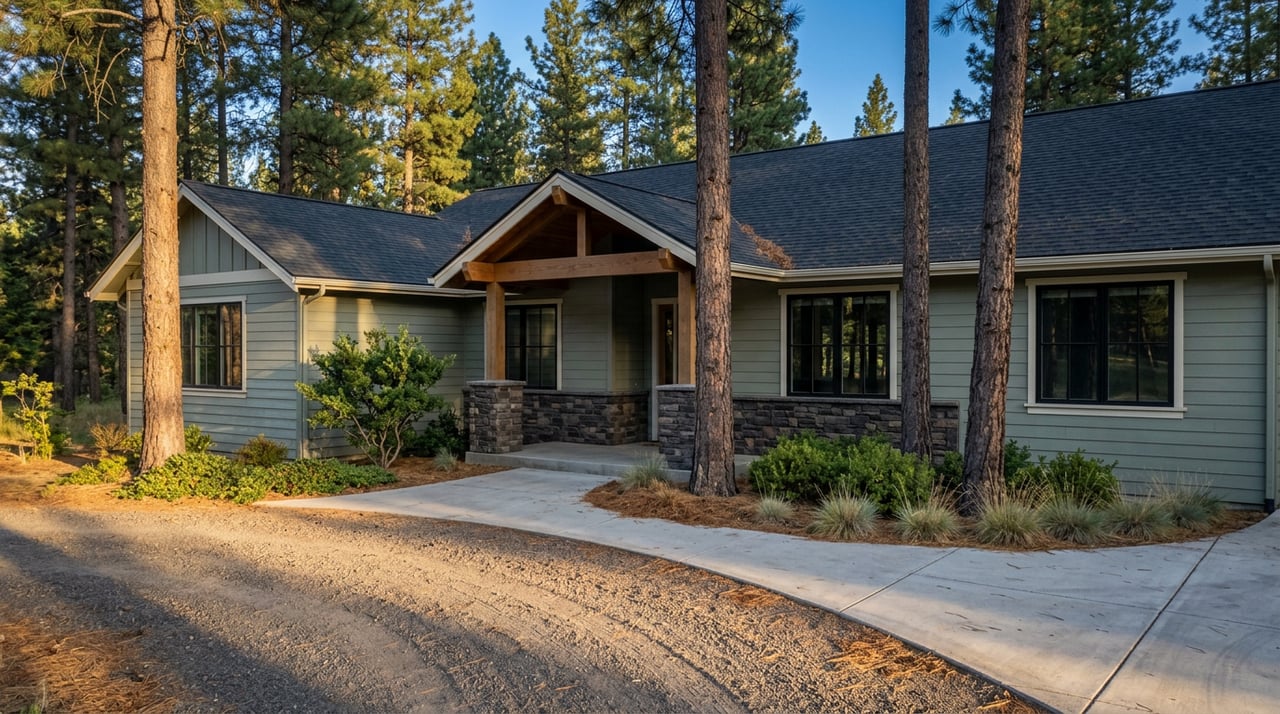
Hidden Hills is largely made up of single-family homes built in the last 5 to 15 years. You will find contemporary-Craftsman, modern farmhouse, and clean-lined contemporary styles rather than historic architecture. Floor plans often favor open-concept living, 3 to 5 bedrooms, and two-car garages.
Inside, expect modern kitchens, energy-efficiency features, and a range of finish levels. Some homes include upgraded cabinetry and quartz counters. Others follow standard builder specs. If a home is newer, check whether any builder warranties on structure or systems remain in effect.
Lot sizes in southeast Bend subdivisions typically range from about 4,000 to 6,000 square feet, with some larger quarter-acre parcels and occasional pockets of higher-density sites or townhomes. This creates a more predictable streetscape and easier yard maintenance.
If you need a large yard, room for outbuildings, or agricultural use, you may want to expand your search to larger-lot subdivisions or properties outside city limits. Within Hidden Hills-like communities, setbacks and lot coverage are usually shaped by the original subdivision plan and CC&Rs.
Planned subdivisions similar to Hidden Hills commonly have recorded CC&Rs and an HOA. These bodies typically handle common-area maintenance and enforce design guidelines. Fees vary by community and can change over time based on the amenities and budget.
Common CC&R topics include exterior paint colors, fencing types and heights, and roof materials. You will also see rules around driveway and street parking and limits on visible RV or boat storage. Landscaping standards in Central Oregon often address irrigation, turf limits, and water-wise plantings.
Short-term rentals are regulated by the City of Bend and may also be restricted by HOAs. Some associations prohibit STRs even when city rules would allow them. Many HOAs require design review for exterior changes, sheds, and ADUs. Pet guidelines and renewable energy rules may also appear, including details on solar placement.
When you are serious about a property, request the recorded CC&Rs, bylaws, budget, and reserve study. Ask for the last 12 to 24 months of HOA meeting minutes to spot pending projects or special assessments. Confirm current HOA fees, what they cover, and whether there is any pending litigation or notable delinquencies.
Also verify zoning, utility easements, stormwater and drainage areas, and property tax history. If the home is relatively new, ask about remaining builder warranties and their timelines.
The southeast Bend area emphasizes walkability to parks and trails. Hidden Hills benefits from proximity to Alpenglow Park, a neighborhood amenity that serves surrounding homes. Neighborhood parks in these newer communities commonly feature play structures, open lawns, picnic areas, and path connections to multi-use trails. Always verify current features and maintenance responsibilities through official park resources or subdivision documents.
Connectors in southeast Bend are expanding, which helps you link into larger city trail networks. For bigger days out, Mt. Bachelor and access points along the Deschutes River remain major draws for the region.
Day-to-day conveniences such as groceries, pharmacies, medical services, and childcare are usually a short drive, often 5 to 15 minutes depending on your exact location. Properties in this area are served by the Bend-La Pine School District. School assignments can change, so verify current boundaries before deciding on a home.
Bend’s high-desert climate brings hot summers, cold winters with occasional snow, and low humidity. Thoughtful landscaping and irrigation setup make a meaningful difference in comfort and water use. Wildfire risk is a regional reality. Review hazard maps and local defensible-space requirements and confirm whether the HOA or city has vegetation management guidelines that affect your lot.
Choose Hidden Hills if you want:
Consider other areas if you need:
If Hidden Hills is on your shortlist, you deserve a clear, stress-free path to the right home. Our two-broker team blends deep neighborhood knowledge with meticulous contract execution so you can focus on how you want to live. To compare current listings, walk the parks, and make sense of CC&Rs and HOAs, connect with Bend Lifestyle Realtors. We will help you weigh the trade-offs and make a confident move.
Bend Lifestyle
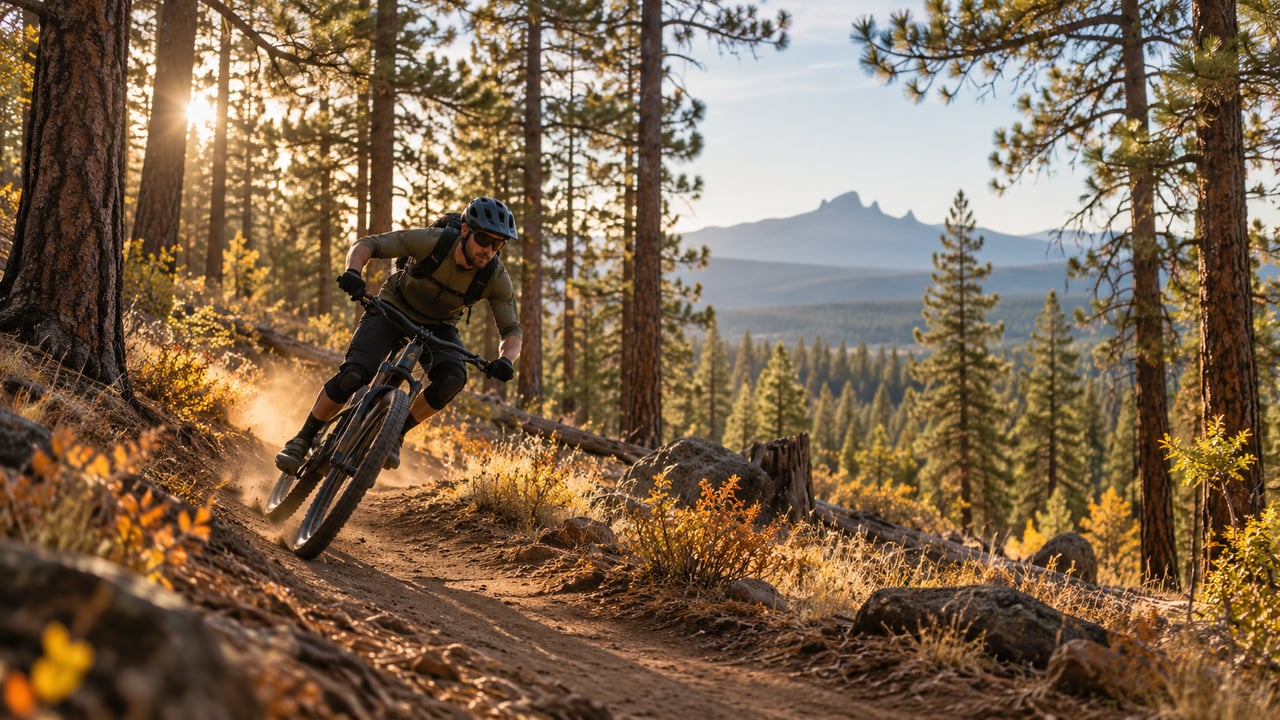
Mountain Biking in Bend: A Guide from Beginner to Advanced
Sisters
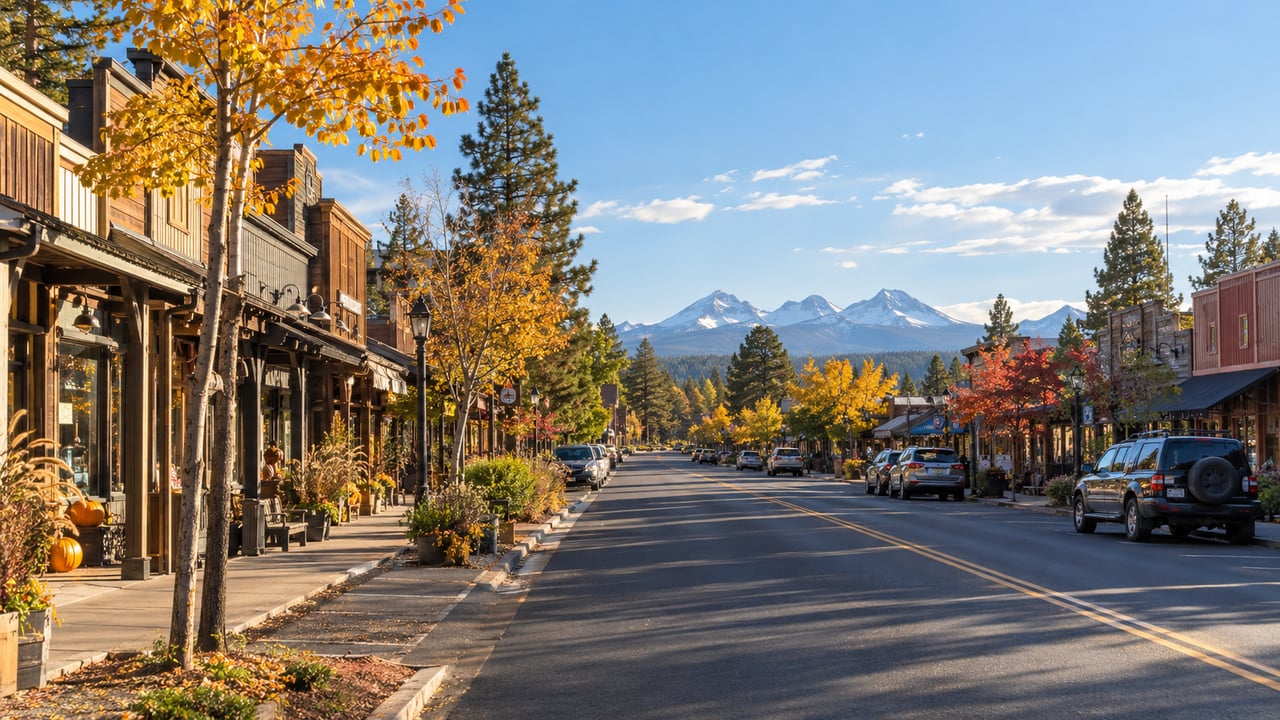
Twenty minutes from Bend, a world apart. Here's what people who love Sisters actually love about it.
Bend Lifestyle
Every place has things you can do there. Bend has things you can only really do here.
Bend Neighborhoods
Everyone knows Northwest Crossing and Old Bend. Here are the neighborhoods that fly a little quieter and often deliver more.
Bend Lifestyle
Summer gets the crowds. Fall gets the color. Here's where to find it in Central Oregon.
Whether we’re working with first-time home buyers, seasoned investors, new residents to Bend, or anyone else, we want to help them find their ideal properties.

Rachel Greenwald Rhoads
Shana Sellers
Bend Premier Real Estate
Address
550 NW Franklin Ave Ste 108
Bend OR 97703