Understanding Bend's Urban Growth Boundary (UGB)
Buyer Tips
Buyer Tips
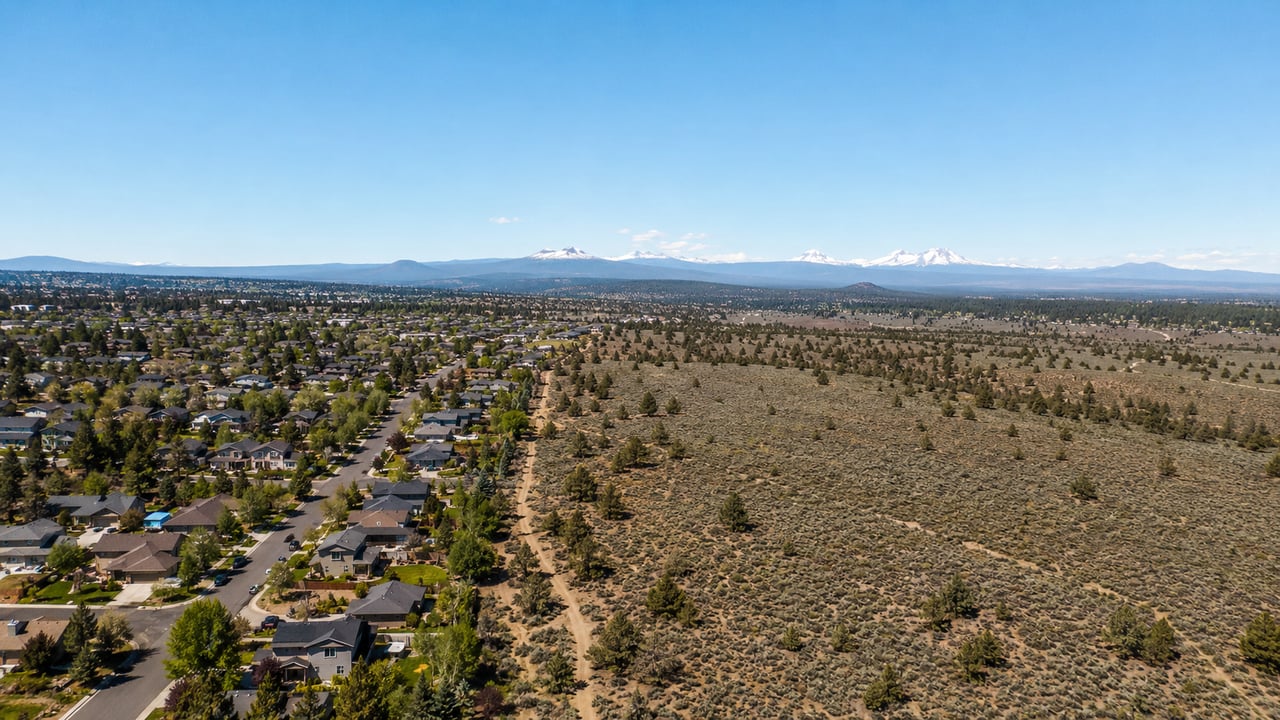
If you want to understand why homes in Bend cost what they do, you eventually run into three letters: UGB, the Urban Growth Boundary. It's a piece of Oregon land-use policy that most buyers have never heard of, yet it shapes housing prices, where new homes can be built, and the character of the whole city. Here's the plain-English explanation and why it should matter to anyone buying or selling here.
Oregon is one of the few states that requires every city to draw an Urban Growth Boundary: an official line around the city that separates land available for urban development from the surrounding rural and farm land that's meant to stay open. Inside the line, you can build neighborhoods, subdivisions, and city services. Outside it, development is tightly restricted to preserve farmland, forest, and open space. It's a statewide system dating back to the 1970s, and it's a big reason Oregon cities are surrounded by open country rather than endless sprawl.
Bend is one of the fastest-growing cities in the region, hemmed in by that boundary. When a city grows quickly but the land available for building is limited by a fixed line, simple supply and demand takes over: limited buildable land plus strong demand pushes home prices up. The UGB is one of the core structural reasons Bend real estate is more expensive than you might expect for a city its size. It's not the only reason, but it's a foundational one.
A UGB isn't permanent or frozen. Cities can expand their boundaries through a formal, deliberate planning process to accommodate growth, and Bend has done exactly that, going through a major UGB expansion in recent years to add buildable land for housing and employment. But these expansions are complex, take years, and are carefully controlled. So the boundary does release new land over time, just not quickly enough to erase the scarcity that keeps prices firm.
The Urban Growth Boundary is one of those invisible forces that explains a lot about Bend once you understand it: why prices are what they are, why the city looks the way it does, and why open space still wraps around town. It rewards buyers and sellers who understand the bigger picture rather than just the individual listing. If you want help making sense of how Bend's growth and geography affect a specific home or neighborhood, that's the kind of context we bring to every conversation with our clients. Reach out anytime.
Buyer Tips
It's one of the biggest quiet forces shaping Bend's housing market. Here's what it is and why it matters to buyers.
Bend Home Prices
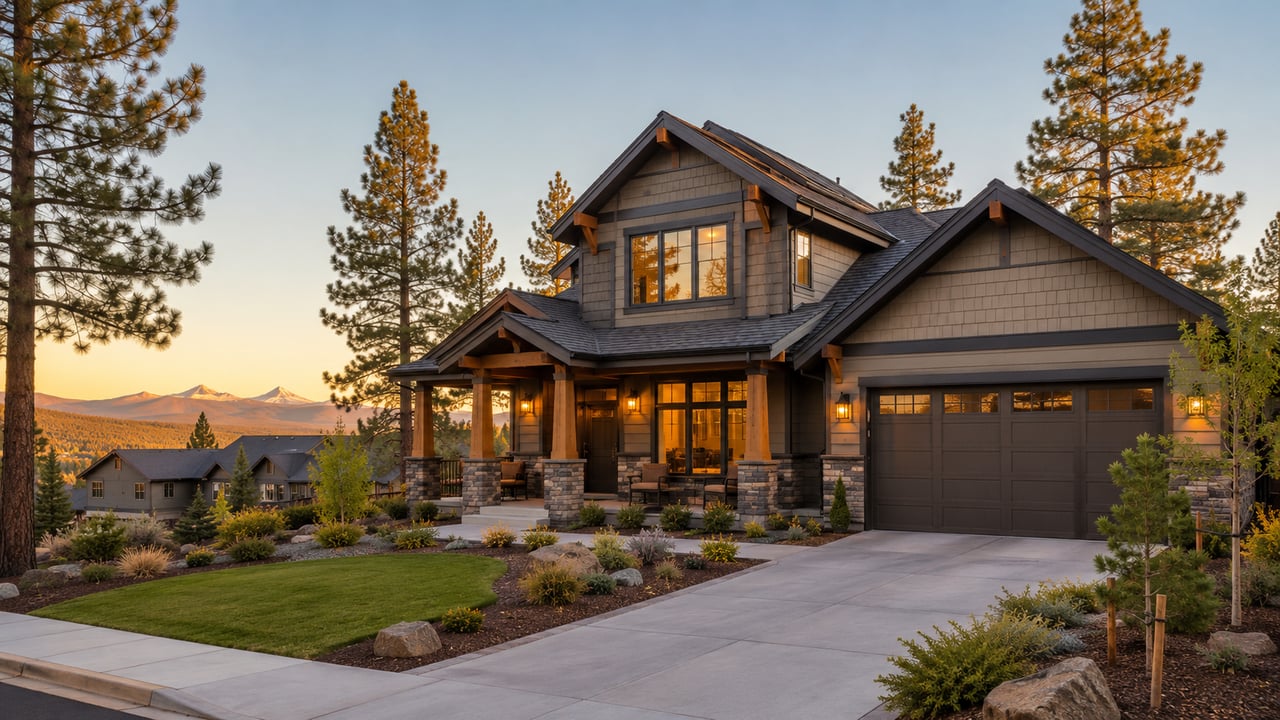
One of the most stressful moments in a purchase, explained calmly, before it happens to you.
Buying in Bend
The bidding-war frenzy has cooled, but the best homes still draw competition. Here's how to be the offer that wins.
Family
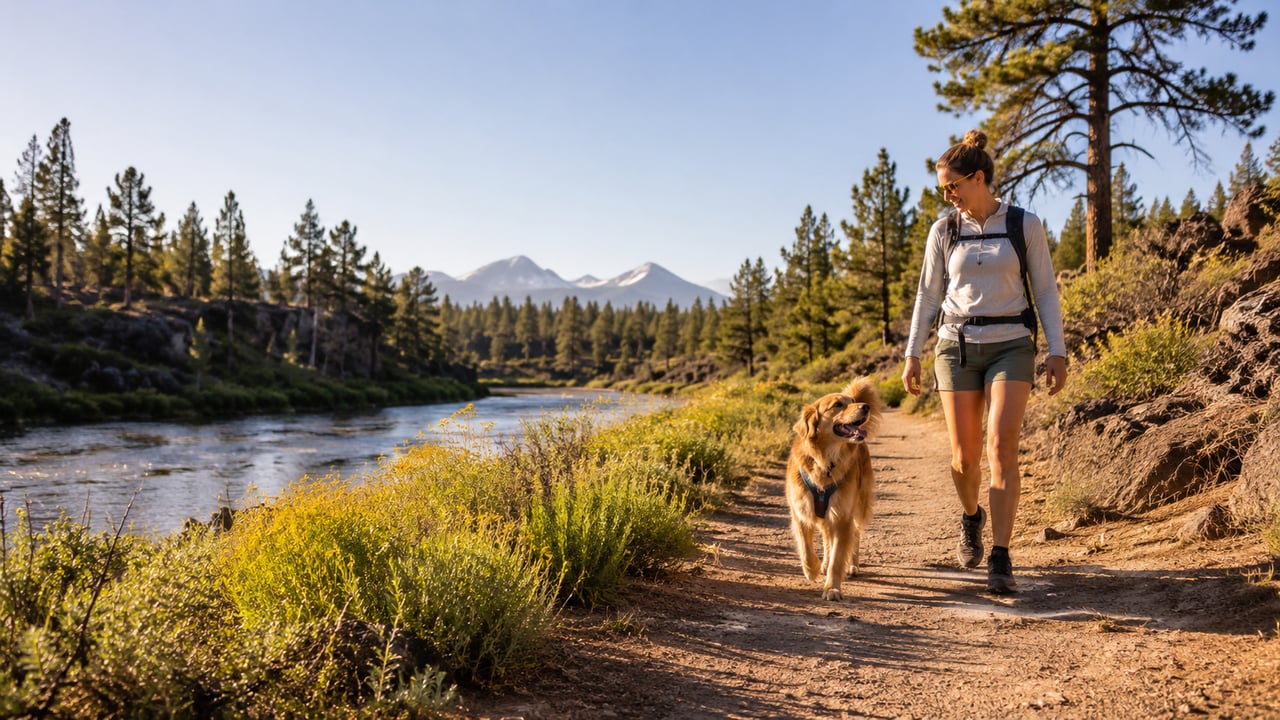
In one of the most dog-loving towns in the country, the trails are half the reason people (and their pups) never want to leave.
Bend Real Estate
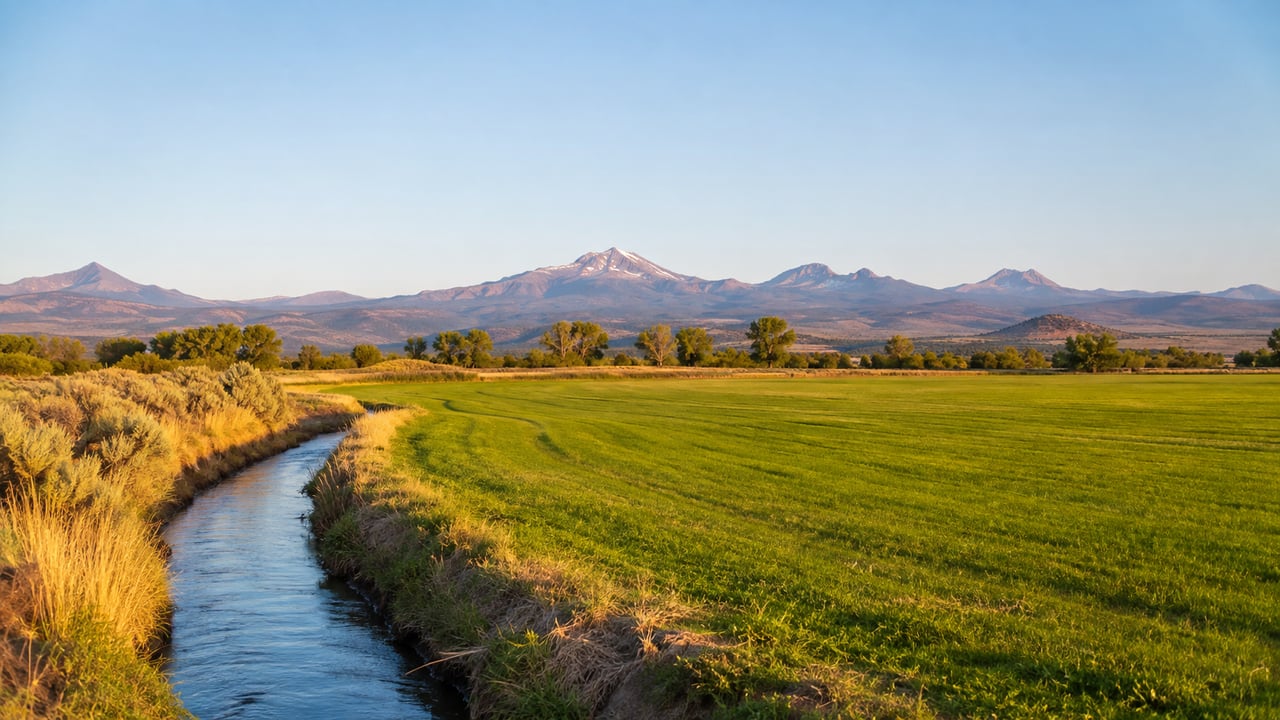
If you're buying land or an acreage property near Bend, water rights may matter as much as the house. Here's the plain-English version.
Bend Home Prices
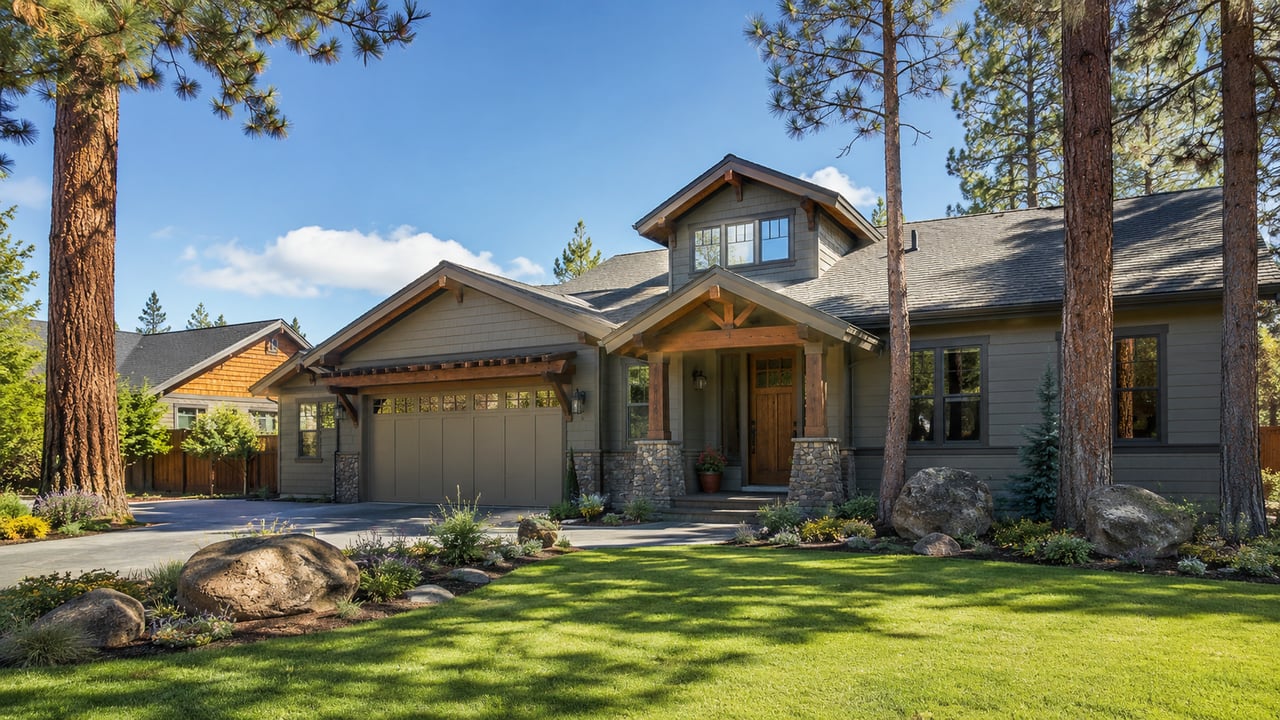
Oregon's property tax system confuses almost every newcomer. Here is how it actually works in Deschutes County.
Buying in Bend
There is a reason so many Bend second-home searches start in July. Here is how to think it through.
Whether we’re working with first-time home buyers, seasoned investors, new residents to Bend, or anyone else, we want to help them find their ideal properties.

Rachel Greenwald Rhoads
Shana Sellers
Bend Premier Real Estate
Address
550 NW Franklin Ave Ste 108
Bend OR 97703