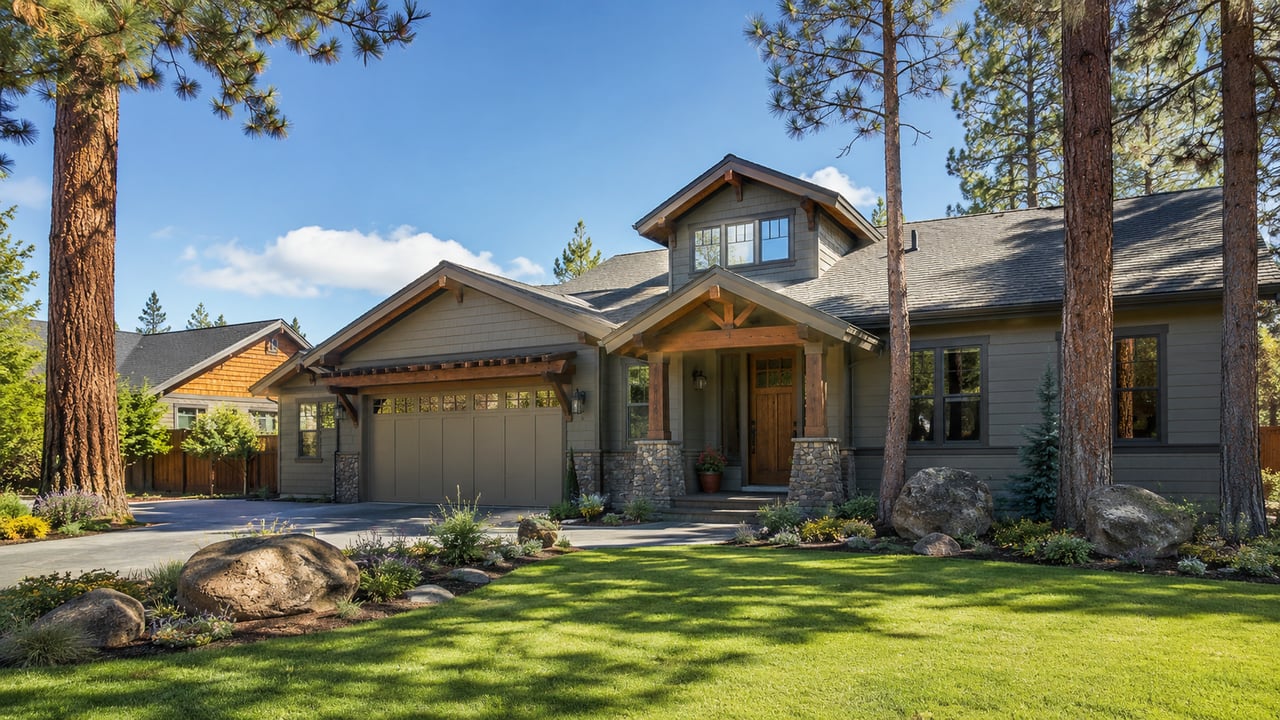
Bend Property Taxes Explained: What Buyers and Sellers Should Know
Bend Home Prices
Bend Home Prices
If you are moving to Bend from California, Washington, or almost anywhere else, Oregon's property tax system is going to surprise you, sometimes pleasantly, sometimes confusingly. It does not work the way most people expect, and the single most common question we get from buyers is some version of: why does my tax bill not match my purchase price? Here is the plain-English answer, specific to Deschutes County.
Every Oregon property has two official values, and the gap between them is where all the confusion lives. There is Real Market Value, roughly what the home would sell for, and Assessed Value, which is what your taxes are actually based on. In most of Bend, the assessed value is well below the market value, and that is by design, not by accident.
Back in 1997, Oregon voters passed Measure 50, which caps the growth of a property's assessed value at 3 percent per year, no matter how much the market value climbs. In a town like Bend, where home values have risen dramatically over the years, that creates a growing gap: your home might appreciate 10 percent in a hot year, but the taxable value can only tick up about 3 percent. Over time, longtime owners end up paying taxes on a value far below what their home is worth.
Here is the part buyers need to understand: in Oregon, buying a home does NOT reset the assessed value to your purchase price. You inherit the existing assessed value. So if the previous owner held the home for many years under that 3 percent cap, you may inherit a taxable value well below market, and a lower tax bill than a brand-new home of the same price. It is one of the quiet advantages of Oregon's system, and it is worth checking on any home you are considering.
This is the confusing one for newcomers. Two nearly identical houses on the same street can carry noticeably different property tax bills, purely because of when each was last built or substantially changed and how long each assessed value has been compounding at the 3 percent cap. It is not a mistake and it is not negotiable; it is just how Measure 50 works. When you are comparing homes, the tax line is worth looking at alongside the price.
The reassuring headline: Deschutes County's effective property tax rate is relatively low, often cited around 0.6 percent of market value, below the national average, in part because the county has fewer overlapping taxing districts than places like Portland. Oregon also has two constitutional rate limits from Measure 5, capping school-related taxes and general government taxes per thousand dollars of value. The practical result is a median annual property tax bill in the county in the ballpark of $4,000, though your specific bill depends entirely on your assessed value and your exact taxing district.
Oregon's property tax system looks strange from the outside but tends to work in a long-term owner's favor, and understanding it can genuinely affect which home is the smarter buy. The key move is simple: look at both values and the actual tax history on any home you are considering, not just the list price. Numbers here are general and change year to year, so confirm the specifics with the Deschutes County Assessor or your tax advisor for any particular property.
When you are comparing homes and want help reading the tax picture alongside everything else, that is exactly the kind of detail we dig into with our clients. Ask us anytime.

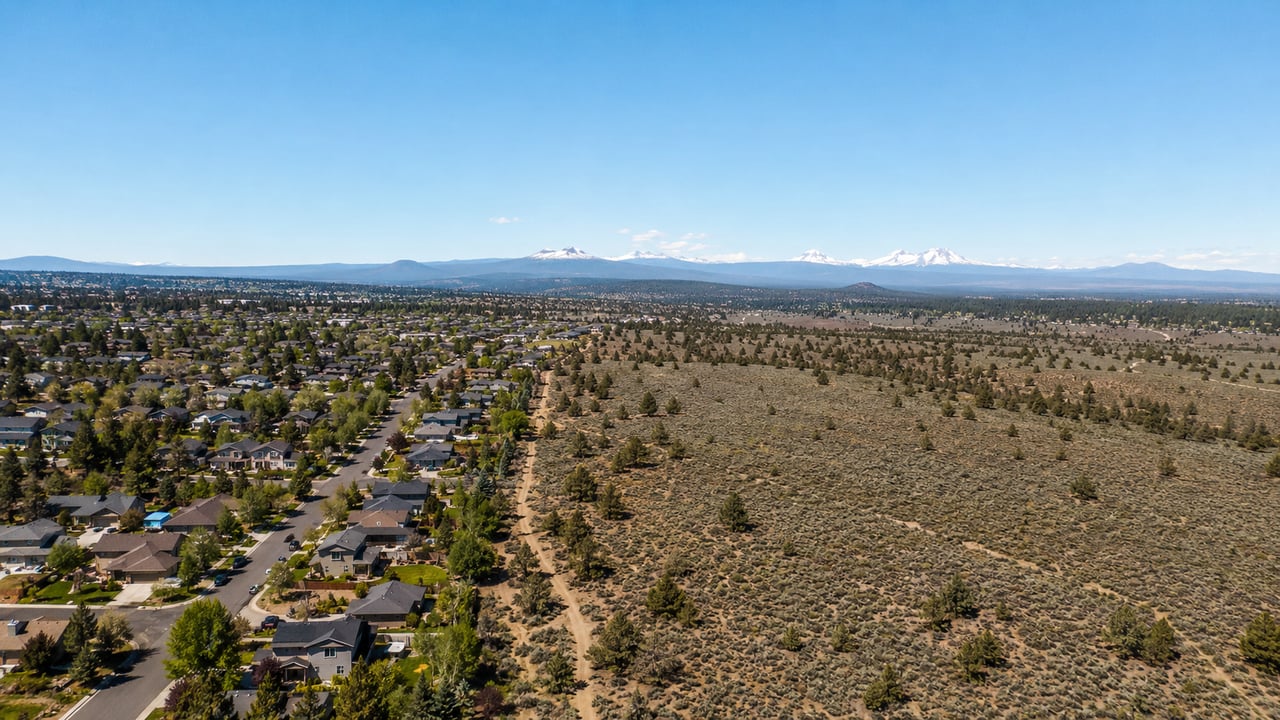
Buyer Tips
It's one of the biggest quiet forces shaping Bend's housing market. Here's what it is and why it matters to buyers.
Bend Home Prices
One of the most stressful moments in a purchase, explained calmly, before it happens to you.
Buying in Bend
The bidding-war frenzy has cooled, but the best homes still draw competition. Here's how to be the offer that wins.

Family
In one of the most dog-loving towns in the country, the trails are half the reason people (and their pups) never want to leave.

Bend Real Estate
If you're buying land or an acreage property near Bend, water rights may matter as much as the house. Here's the plain-English version.
Bend Home Prices
Oregon's property tax system confuses almost every newcomer. Here is how it actually works in Deschutes County.

Buying in Bend
There is a reason so many Bend second-home searches start in July. Here is how to think it through.
Whether we’re working with first-time home buyers, seasoned investors, new residents to Bend, or anyone else, we want to help them find their ideal properties.

Rachel Greenwald Rhoads
Shana Sellers
Bend Premier Real Estate
Address
550 NW Franklin Ave Ste 108
Bend OR 97703