What To Know Before Buying A Home In River Rim
Buying in River Rim can feel straightforward at first glance, then surprisingly nuanced once you look closer. You may see southwest Bend convenience, river corridor access, and attractive homes, but not every part of River Rim offers the same lot size, rules, or feel. If you are considering this area, it helps to understand how the neighborhood is laid out, what varies from parcel to parcel, and which details matter most before you write an offer. Let’s dive in.
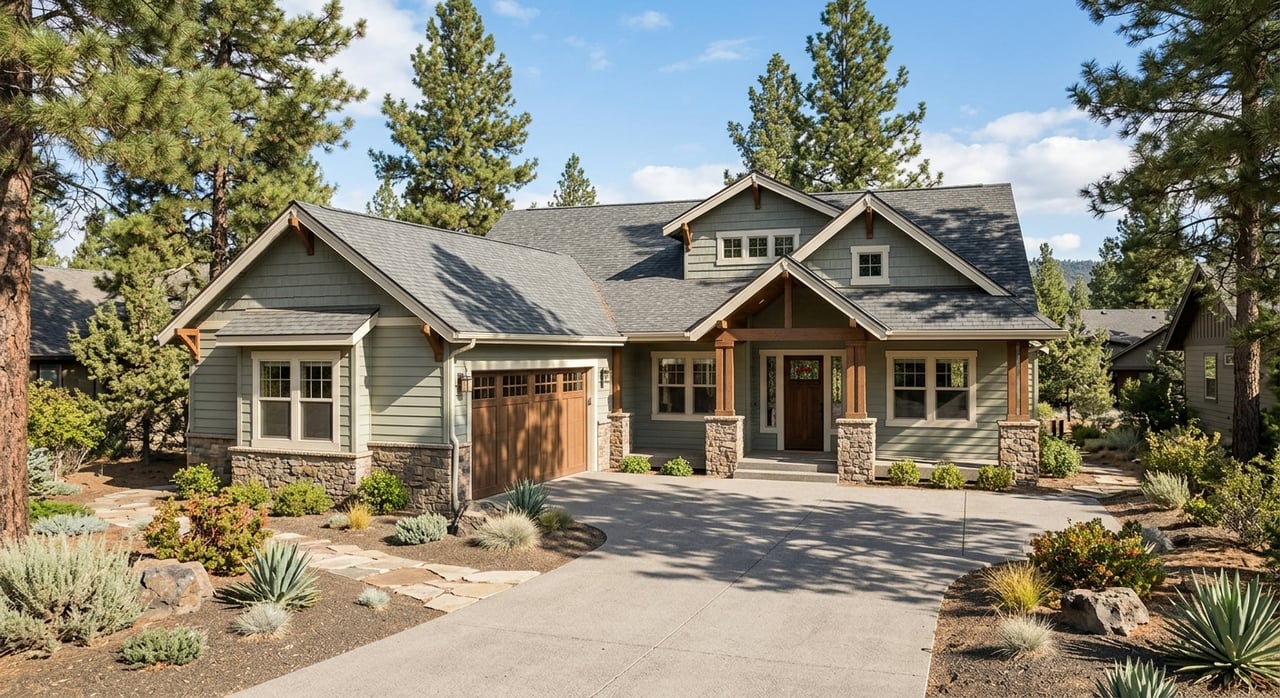
One of the most important things to know is that River Rim is not a single, uniform neighborhood product. In southwest Bend, the area includes older River Rim homes as well as the newer River Vale master-planned section at the west end of River Rim Drive.
That difference matters when you compare homes. Older listing examples include homes around 1,800 square feet on lots of about 6,970 square feet, while River Vale was approved as a 78-lot master-planned area with 8,000-square-foot minimum lot sizes, 70-foot minimum lot width, and 100-foot minimum lot depth. If two homes share a River Rim address, they still may offer very different lot layouts, street design, and neighborhood character.
Many buyers are drawn to River Rim because of its location near the Deschutes River corridor. River Rim Park Site is a 3.6-acre undeveloped natural-space park with river views and unpaved paths, and the area also connects to the Deschutes River Trail system.
That said, it is smart to separate scenic access from direct river use. Bend Park & Recreation District notes that the River Rim Park Site is not intended for river access or floating because of hazardous falls and rapids downstream. Some trail segments in the broader system also cross private property, so users are expected to stay on designated trail sections.
In River Rim, you are not just buying a bedroom count or square footage. You are also buying a specific location within the corridor, and that can have a meaningful impact on value and day-to-day experience.
Recent listing samples show a wide range of homes, from roughly 1,800 to 3,493 square feet in the core sample reviewed, with 3 to 4 bedrooms, 2 to 4.5 baths, open great-room plans, single-level or primary-on-main layouts, and 3-car or larger garages. Some listings also show larger river-adjacent or view lots, including homes on 0.37-acre and 1.42-acre sites.
The practical takeaway is simple: do not treat every River Rim home as interchangeable. Lot size, river adjacency, and view corridor can all affect value, so your comparison set should match the home’s exact sub-area and lot position.
If you are looking at the newer section, River Vale may stand out for its layout and infrastructure. The city-approved master plan includes public streets, 5-foot sidewalks, a 10-space trailhead parking lot, and open-space requirements.
For you as a buyer, that can translate into a more intentionally connected feel. Homes in this section may read differently from older River Rim blocks near Brookswood, even though they are part of the same broader corridor.
If school assignment matters to your move, verify it early and by parcel. Current listing data for River Rim and River Vale addresses shows Elk Meadow Elementary and Cascade Middle, while high school assignment appears to vary between Summit High and Caldera High depending on the property.
Because attendance areas can differ within the same general area, you should confirm the current assignment for the specific address you are considering before you finalize an offer.
Another key point for River Rim buyers is that HOA participation and recorded restrictions appear in at least some parcels. Recent listing data shows dues commonly landing around the equivalent of about $41 to $170 per month, depending on the property.
Some listings mention amenities or services such as park access, trails, and snow removal. Others note CC&Rs and short-term-rental restrictions. That means you should not assume the same rules apply across the board.
Before you remove contingencies, ask for the full HOA package if the home is part of an association. That should include:
This is especially important in River Rim because the area includes both established and more structured sections, and the rules may affect how you use the property over time.
If you are hoping to personalize a property later, do your homework before closing. The City of Bend Planning Division says development or changes in the Waterway Overlay Zone, generally within 100 feet of the river edge, may require extra review.
That review can apply to more than just a new home. It can also affect additions, sheds, docks, and exterior stairs. For River Rim parcels near the Deschutes, that is a big reason to check improvement plans early instead of assuming future projects will be simple.
River Rim can be an excellent fit, but it rewards careful buyers. The river corridor setting, parcel-by-parcel differences, and possible HOA layers make strong due diligence especially important.
Oregon law requires sellers to provide a property disclosure statement to buyers who make a written offer, and buyers generally have a 5-day revocation window after delivery unless it is waived. That disclosure is a useful starting point, but in a neighborhood like River Rim, it should not be your only source of information.
As you evaluate a home here, make time to review:
This process can help you confirm what is private, what is public, and whether trail or access easements affect the lot. It also helps you avoid surprises tied to property boundaries, use restrictions, or future improvement plans.
Inspections are important in any purchase, but they can be especially useful in River Rim because of site conditions that may come with a river corridor location. Scheduling inspections early gives you more time to understand the property and negotiate if needed.
Beyond the home itself, you may want clarity on drainage, slope, retaining walls, and other site-related issues. Giving yourself enough contingency time can make a big difference if new information comes up.
When you budget for a River Rim purchase, look beyond principal and interest. Your monthly housing costs may also include property taxes, insurance, HOA dues, and potentially supplemental coverage if needed for the specific property.
Closing costs also deserve attention. A realistic budget helps you compare homes more clearly, especially in a neighborhood where dues, lot differences, and property features can vary from one address to the next.
In Central Oregon, wildfire risk is an ongoing consideration, and River Rim buyers should plan for that reality. Bend Fire & Rescue’s Own Your Zone guidance emphasizes clearing the first five feet around the home, managing vegetation, and keeping access open for responders.
If you are comparing homes with mature landscaping, tree cover, or more natural edges, think about what ongoing maintenance and home-hardening may look like. It is not just about the purchase today. It is also about how you will care for the property over time.
River Rim appeals to many buyers because it combines southwest Bend convenience with trail connectivity and a mix of established and newer homes. Still, the smartest way to buy here is to slow down and evaluate the exact parcel, not just the neighborhood name.
If you focus on lot position, sub-area differences, HOA details, river-adjacent review rules, and thorough due diligence, you will be in a much better position to make a confident decision. If you want local guidance that combines neighborhood knowledge with careful contract management, Bend Lifestyle Realtors can help you navigate River Rim with clarity.

Bend Lifestyle
Mountain Biking in Bend: A Guide from Beginner to Advanced

Sisters
Twenty minutes from Bend, a world apart. Here's what people who love Sisters actually love about it.

Bend Lifestyle
Every place has things you can do there. Bend has things you can only really do here.
Whether we’re working with first-time home buyers, seasoned investors, new residents to Bend, or anyone else, we want to help them find their ideal properties.

Rachel Greenwald Rhoads
Shana Sellers
Bend Premier Real Estate
Address
550 NW Franklin Ave Ste 108
Bend OR 97703